Test af brystvortedækkere under en beachvolleykamp.
Beach volleyball is brutal on gear.
Sun. Sweat. Sand in places you didn’t know existed. If something survives a match, you can pretty much trust it anywhere.
Today we’re talking about testing nipple covers as actual athletes. Not as models standing still under studio lights. As people sprinting, diving, blocking, sweating, and trying not to think about what might be slipping under a bikini top.
This is your practical, no-nonsense guide.
Indholdsfortegnelse
First things first: why nipple covers matter in sport
If you’ve ever done sprints or drills without the right support, you already know why this matters.
- Protection from chafing and friction.
- Modesty in thin, light, or wet fabric.
- Mental comfort so you stop thinking about your chest and focus on the ball.
On the beach, your top is usually small, the fabric is light, and everything gets wet and salty. Confidence in your coverage is part of your performance equation. If you’re worrying about a wardrobe fail, your reactions slow. Your jump timing gets off. You hesitate.
So yes, these tiny circles of fabric or silicone are a big deal.
Ground rules before you test anything
You don’t test new gear for the first time in a tournament final. Same goes here.
Set a few ground rules:
- Test in practice first, not during your biggest match.
- Have a backup ready (another pair of covers or a sports bra that works).
- Bring athletic tape or body tape in your bag for emergency fixes.
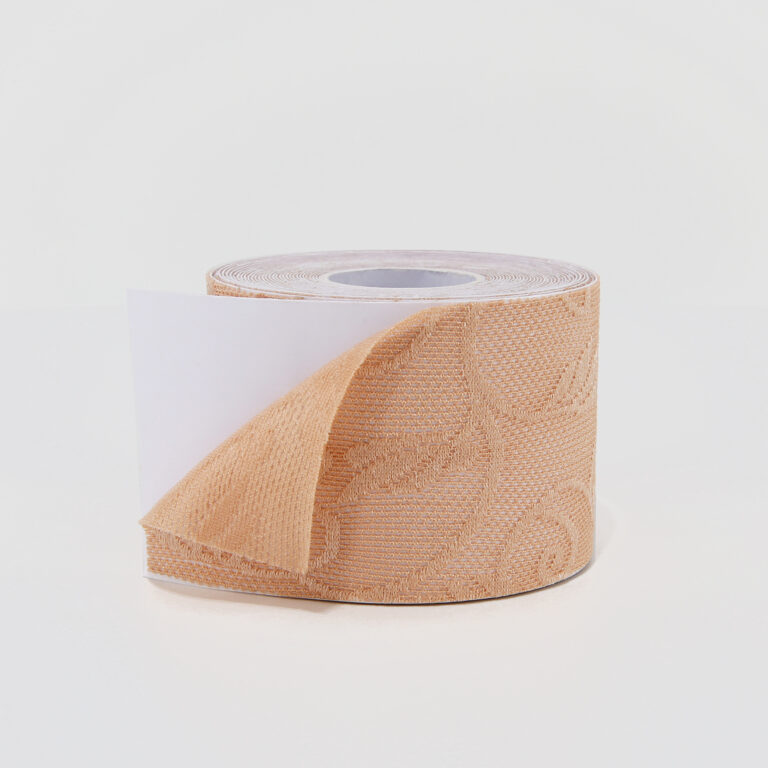
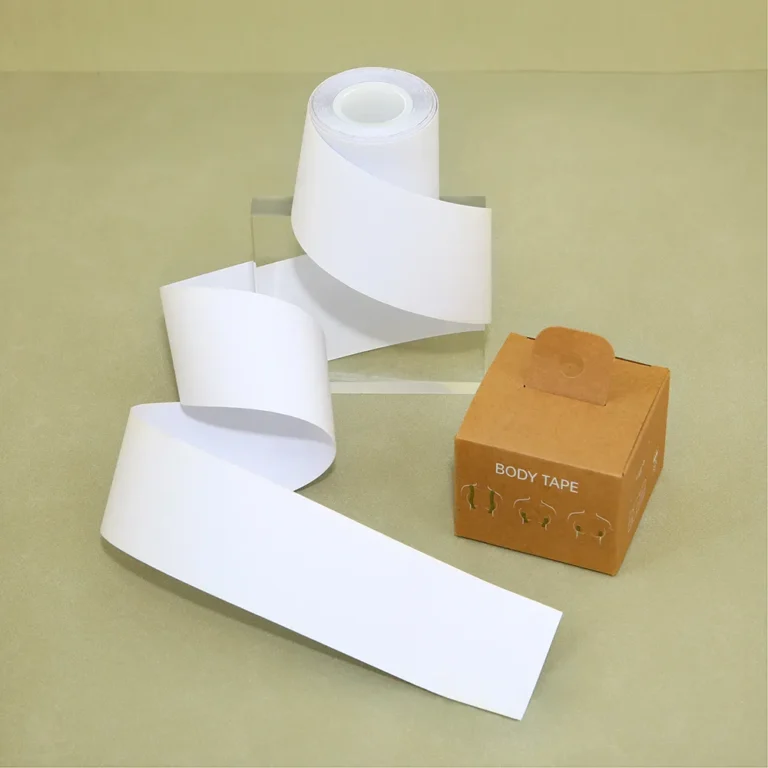
A lot of players keep body tape handy to reinforce edges or anchor fabric where they want it. It’s cheap insurance and it weighs basically nothing.
Know your options: types of nipple covers
You’ve got more choices than you might think. And they don’t all behave the same when you’re sweating and diving in hot sand.
Here are the main ones you’ll see for sports-like use:
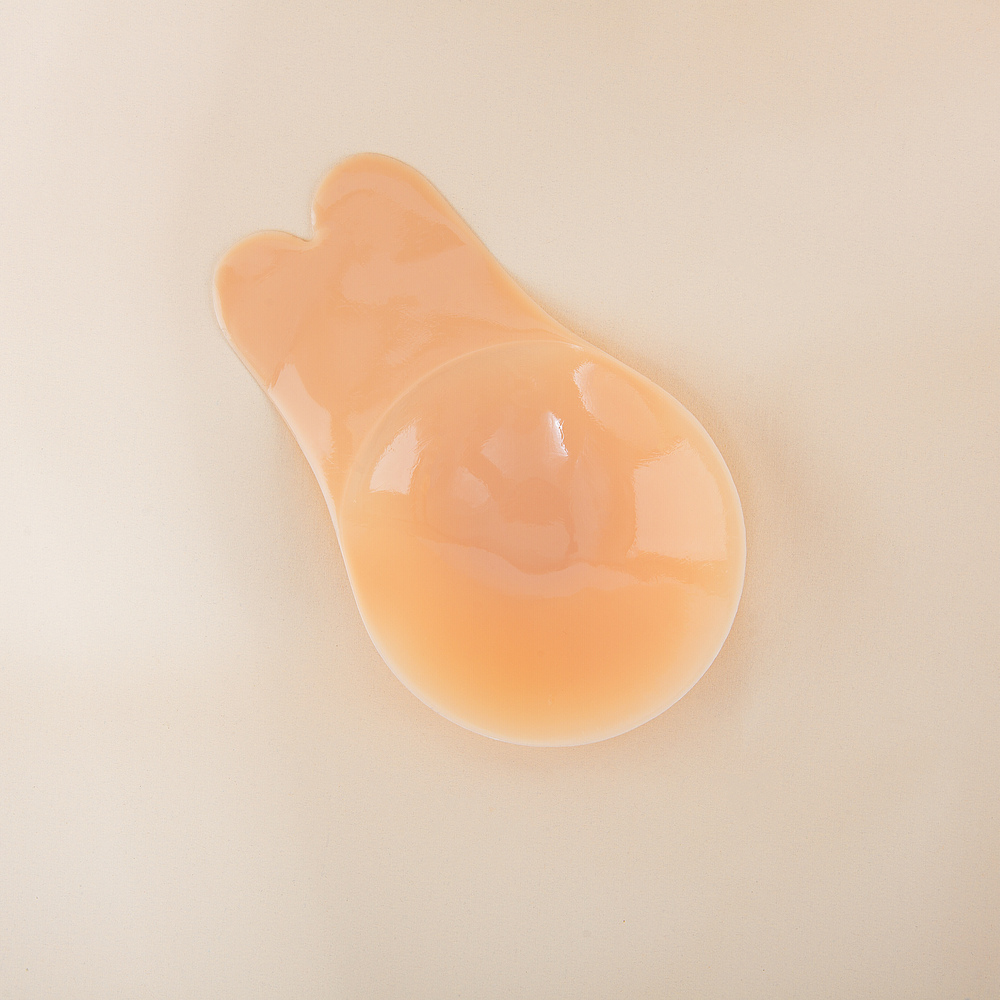
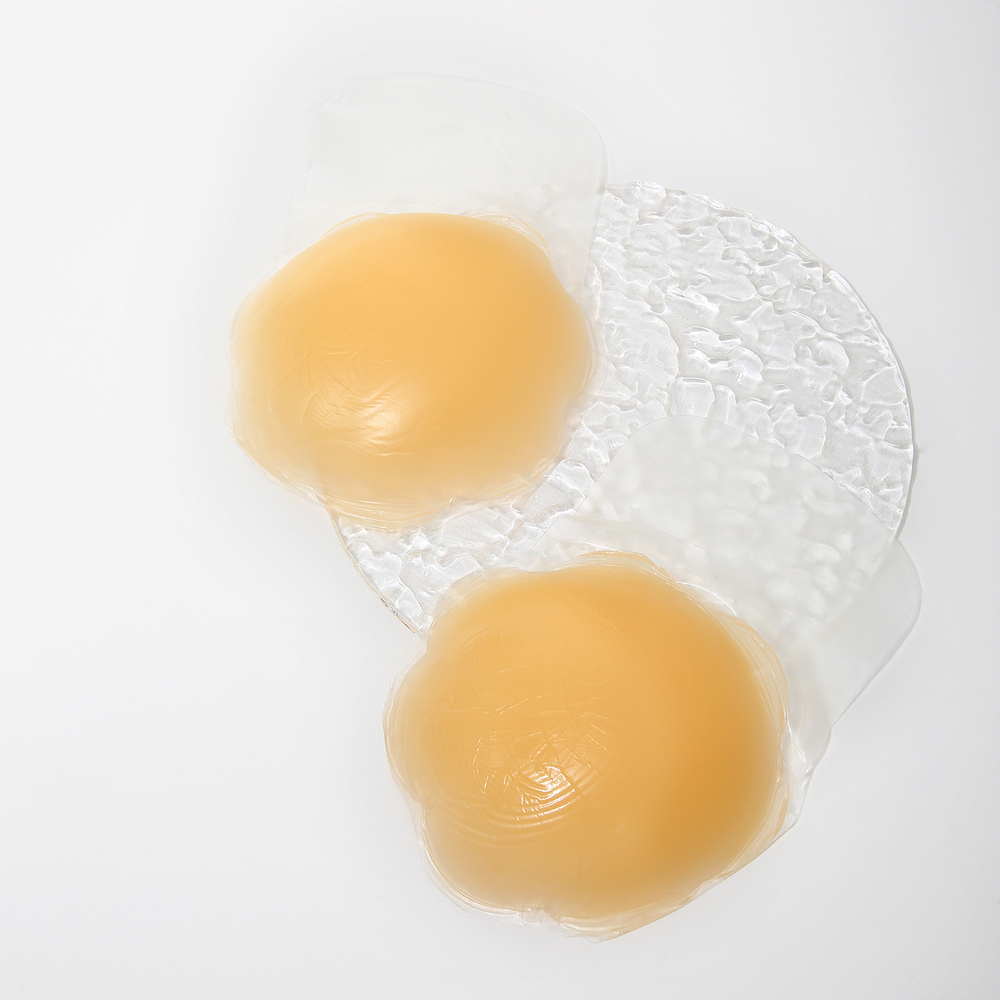
- Silikone nippelbetræk
- Fabric nipple covers or patches
- Disposable paper or foam-style covers
- Reusable covers with stronger adhesive
- Hybrid setups with body tape or boob tape
If you want to dig into specific product types, things like silikone nippelbetræk, stof nippelbetræk, og genanvendeligt nippelbetræk are usually grouped by style and material on specialized sites. That’s helpful when you’re trying to match what you used last season or what a teammate recommended.
What really matters for beach volleyball
When you’re picking nipple covers for actual sport, you’re not shopping like you would for a wedding guest dress.
You care about:
- Stickiness when soaked in sweat and seawater.
- Edge security while jumping and diving.
- Comfort under tight or compressive fabric.
- Visibility under thin tops (no obvious ridges or lines).
- Skin reaction over a few hours in the heat.
Think of it like this: if your covers hold up during a 2-hour scrimmage in 30°C sun with full-out dives, they’re good enough for a regular day where you’re just walking around a city.
Key specs to look at (without getting nerdy)
You don’t need a materials science degree. You just need to look for a few simple things when you shop:
- Material: Silicone vs fabric.
- Thickness: Ultra-thin edges, thicker center.
- Diameter: Enough to cover comfortably without hitting the edges of your top.
- Adhesive: Skin-safe, sweat-resistant, preferably hypoallergenic.
- Reusability: One-time use vs reusable.
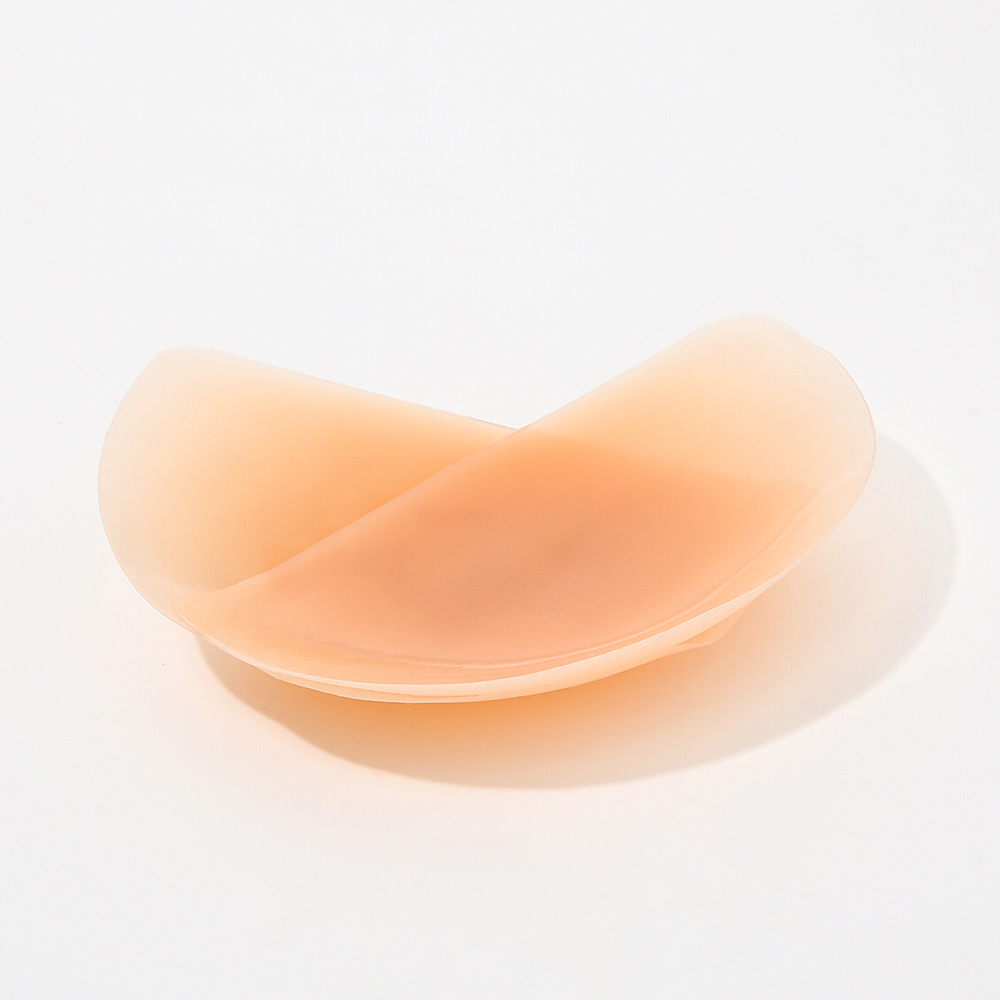
Silicone covers often offer smoother edges and a more “invisible” look under tops, especially the ones sold as silikone nippel cover eller fleksibelt nippelbetræk af silikone. Fabric ones sometimes breathe better but can show through more under certain fabrics.
Pre-test checklist before you hit the sand
Before you sprint onto the court with new covers:
- Test a patch at home
Stick one (or a corner, if you can) on your skin for an hour while you move around. No redness? No itching? Good sign. - Shower test
Put them on, wear them in a hot shower for 5–10 minutes, move your arms, twist, then see if the edges curl or pop. - Sweat test
Do a mini-workout: jumping jacks, burpees, mountain climbers for 10–15 minutes. See if anything shifts, wrinkles, or peels.
If they can’t survive your living room, they won’t survive a jump serve.
How to apply nipple covers for sport (step-by-step)
The way you apply them can matter as much as the brand.
- Start with clean, dry skin
No lotion, no oils, no sunscreen directly under the covers. Sunscreen can go around the area, but avoid the contact zone. - Cool down first
Don’t stick them on sweaty skin straight after a warm-up. Apply them at home or at least 20 minutes before you start moving. - Peel carefully
Hold the cover by the edges, not the sticky side. Don’t touch the adhesive more than you have to. - Center and press
Find the center point, place lightly, then press from the middle outwards to smooth air bubbles. - Seal the edges
Run your finger all the way around the edge, pressing firmly. This step alone can be the difference between “stays on all match” and “mysterious mid-rally peel.”
If you’re very cautious, you can add a thin strip of kropstape along the lower edge where sweat tends to pool, especially products sold as body tape or boob tape that are meant to stick through movement.
What a real test on the beach should look like
Imagine this.
It’s a sunny training day. You’re not playing a tournament, but the drills are serious. You’ve decided today is “gear test day.”
Here’s how to structure it:
- Warm-up: Jogging, lateral steps, arm swings, dynamic stretches.
- Easy drills: Straight-line passing, standing serves. You’re checking basic comfort here.
- Higher impact: Approach jumps, blocks at the net, quick digs.
- Full-speed sequences: Serve, sprint, dive, pop back up, block, repeat.
You want at least one drill where you dive fully, get sand all over, and then stand up and move quickly again. That’s when a weak adhesive starts to give up.
How to evaluate performance mid-session
Don’t wait until you get home to realize something failed.
During practice, check for:
- Any tingling, pinching, or itchiness.
- Noticeable pulling when you twist or reach overhead.
- Edges lifting, especially on the lower outside edge.
- Visible outlines showing through the top more as you sweat.
Take water breaks as “gear check breaks.” Quick walk to the side, adjust your top, discreetly press your hand across your chest to feel if anything has shifted.
If you feel a wrinkle or a bump where it should be smooth, that’s a red flag.
Common failure points (and how to fix them)
Here’s what usually goes wrong when nipple covers don’t hold up in sport:
- Problem: Edges peeling in sweat
Fix: Choose covers with thinner, feathered edges and consider a small amount of supporting body tape in trouble spots. - Problem: Center slipping
Fix: Make sure you applied them on completely dry skin with no oil. Consider a stronger reusable cover. - Problem: Skin irritation
Fix: Check for “hypoallergenic” or “medical-grade adhesive.” If your skin reacts, switch material (silicone to fabric or vice versa). - Problem: Shifting inside the top
Fix: Tighten the top or choose a style with more compression. Sometimes the top is the issue, not the covers.
Matching your top to your nipple covers
Not all bikini or sports tops play nicely with every cover.
Think about:
- Compression level: A slightly more compressive top keeps everything pressed in place.
- Fabric thickness: Thin, light fabrics do best with smoother, silicone-based covers.
- Cut and shape: Halter and racerback styles often move less than string triangle tops.
If you usually wear something that’s basically a fashion bikini, consider pairing covers with a more supportive style or a sports-bikini hybrid on days you really care about performance.
Weather matters more than you think
Beach days aren’t all identical.
- Very hot, dry days: Sweat evaporates fast, but adhesive can soften.
- Hot and humid: Sweat sits on the skin longer, making peeling more likely.
- Windy, cooler days: Less sweat, but more goosebumps and friction inside the top.
Plan tests on days that match your usual playing conditions. If all your tournaments are in blazing mid-day sun, testing at sunset in a breeze doesn’t tell the whole story.
One-time use vs reusable: which suits athletes?
Here’s the honest breakdown.
Engangsbetræk:
- Pros: Fresh adhesive every time, hygienic, easy to toss after a sandy match.
- Cons: Cost adds up, some are too thin and flimsy for hard sport.
Reusable silicone covers:
- Pros: Usually better shape, smoother look, stronger structure, more eco-friendly.
- Cons: Need proper cleaning and care, adhesive can weaken over time.
For frequent players, a good reusable silicone nipple cover paired with a supportive top works well. If you’re playing a short season or one-off tournament, high-quality one-time use covers can be enough—as long as you test them first.
Caring for your covers so they last
Reusable gear only stays good if you treat it right.
- Wash gently: Mild soap and lukewarm water, no rubbing with towels.
- Air dry: Sticky side up, no sunbathing them on a hot windowsill.
- Store with the plastic backing: The clear protective sheets matter; don’t throw them away.
- Keep them away from lint: Tossing them in a gym bag without a case is the fastest way to ruin adhesive.
If your covers came from a category like genanvendeligt nippelbetræk eller genanvendelige silikonepastaer, the product pages often include simple cleaning instructions worth following.
Mental side: confidence is gear, too
You know that feeling when your shoes are tied just right and your jersey sits perfectly on your shoulders? That quiet little sense of “okay, I’m ready”?
Nipple covers are part of that.
If you’re constantly thinking, “Is that edge lifting?” or “Can they see something?” your head isn’t in the rally. And performance always starts in your head.
Give yourself permission to use whatever setup lets you forget about your chest entirely so you can focus on:
- Tracking the ball.
- Reading the block.
- Calling plays with your partner.
- Enjoying the match instead of enduring it.
How to build your own “coverage kit”
Treat nipple covers like any other piece of gear. Build a kit.
Consider packing:
- One pair of your “trusted” covers.
- One backup pair (maybe disposable).
- A small roll of body tape.
- A soft cloth and small bottle of gentle cleanser (for post-game cleaning).
- A spare top with more coverage if everything else fails.
That way, even if something goes wrong mid-day, you’re not stuck improvising with random tape from the first-aid box.
When to retire a pair
Just like shoes lose bounce and grip, nipple covers lose stick and shape.
Time to say goodbye when:
- Edges don’t fully adhere even on clean, dry skin.
- Adhesive looks cracked, uneven, or gummy.
- The surface gets rough or picks up lint that won’t wash off.
- You’ve had any sketchy skin reaction and you can’t pin it on sunscreen or detergent.
If you’re using something marketed as engangs nippelbetræk eller one-time use nipple cover, don’t push your luck by reusing it for a high-intensity match. Save the reusing experiments for low-stakes errands, not jump serves.
A few test-day rules with your team
If you’re on a team, make test days normal. Not weird. Not hush-hush.
Agree on a few things:
- Everyone tests new gear on practice days only.
- No teasing about wardrobe worries—this stuff is part of serious prep.
- If something fails, you call a quick break, fix it, and move on.
Sports culture is slowly catching up to the fact that modesty, comfort, and coverage needs are legitimate performance topics. You’re not “high maintenance” because you care about not flashing the crowd mid-dive. You’re professional.
What I’d do if I were starting from scratch
If I were prepping for my first serious beach volleyball season and had zero gear sorted, here’s the simple path I’d take:
- Buy one good pair of reusable silicone nipple covers from a trusted category (like silikone nippel cover eller fleksibelt nippelbetræk af silikone).
- Grab a small pack of disposable covers as backup.
- Add a roll of body tape to my training bag.
- Schedule one or two “gear test” practices before any tournament.
- Take notes after each session: did they stay put? Any irritation? Did I forget they were there?
If I forget about the covers during drills, that’s when I know I’ve found the right setup.
Ready to test your own setup?
You don’t need perfection on day one. You just need honest testing and a plan.
Treat nipple covers like your shoes, your tape, your sunglasses—gear that deserves a proper trial before it has to perform under pressure. Give yourself a match or two where the only experiment is your coverage, not your confidence.
Next practice, pick a pair, commit to a full session, and see how they do.
If you can walk off the sand thinking about the scoreboard and not your top, that’s your sign you’ve nailed it.