-
Dirección: 2221 Remington Ave, Ontario, California

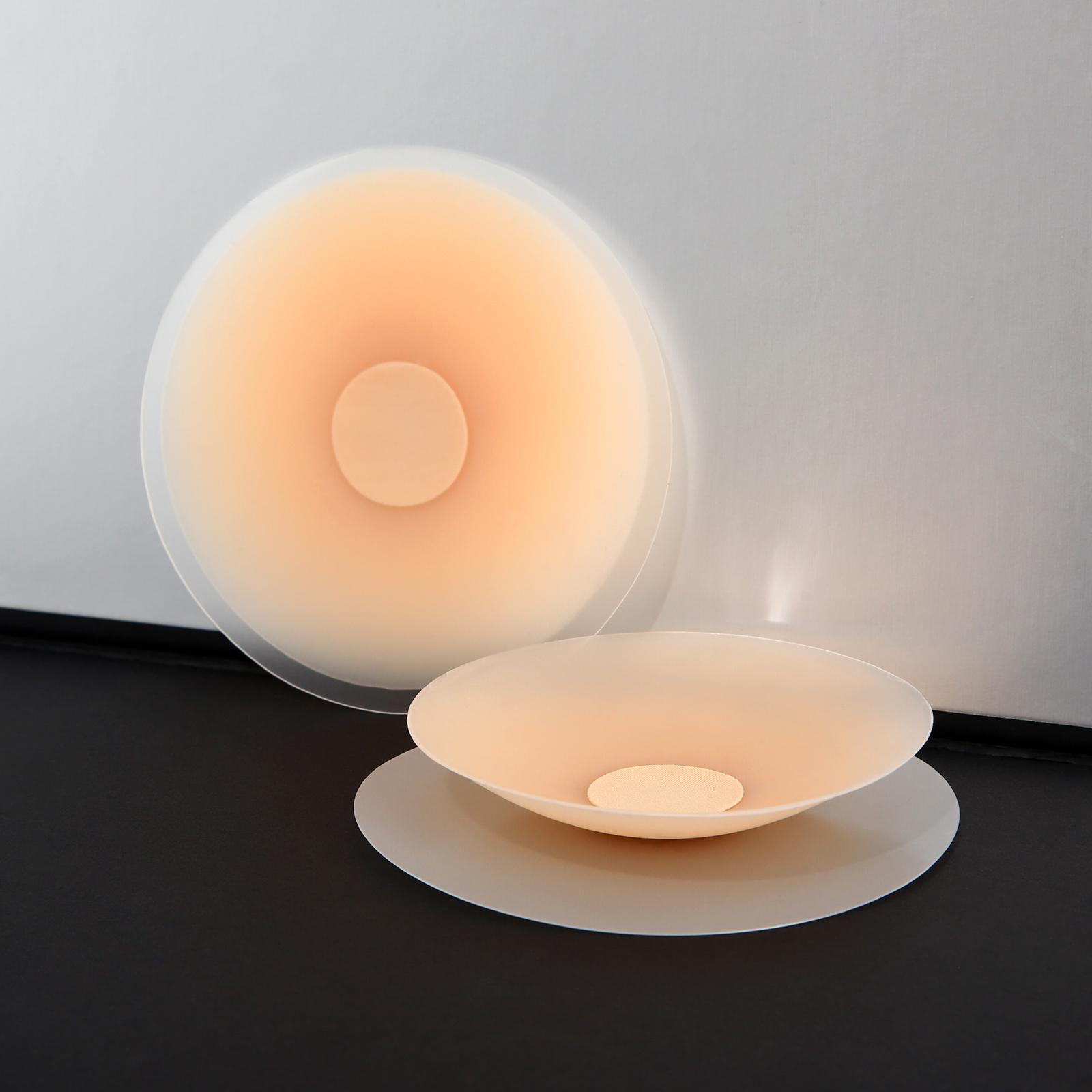
¿Cuánto tiempo se mantienen realmente puestos los cubrepezones de silicona en clima húmedo?
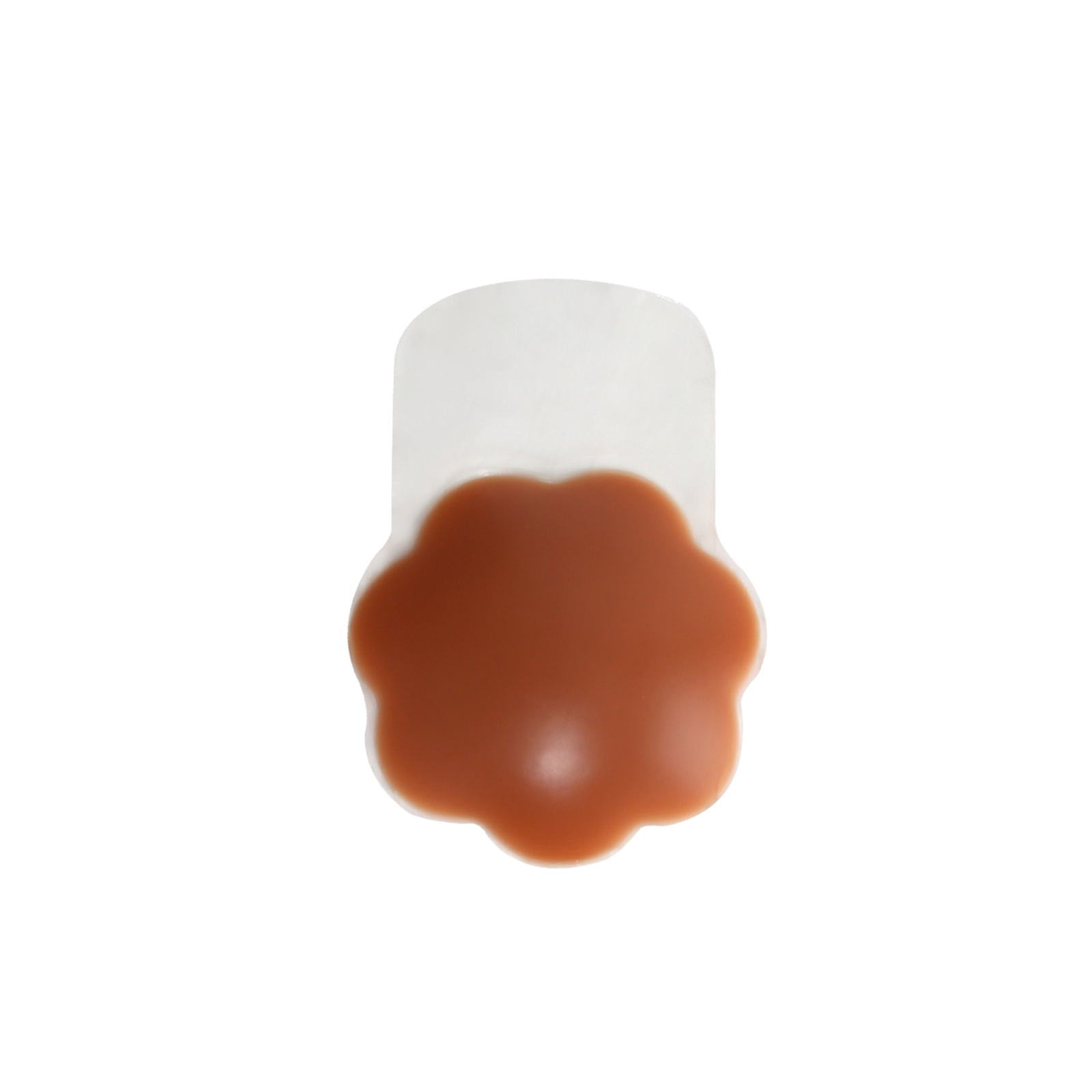
Alright, let’s get down to brass tacks, shall we? You’ve seen them, you’ve probably worn them, and if you’re anything like my salon clients, you’ve asked the million‑dollar question: How long do those cubierta de pezón de siliconas actually stay on, especially when the weather decides to turn into a tropical sauna?
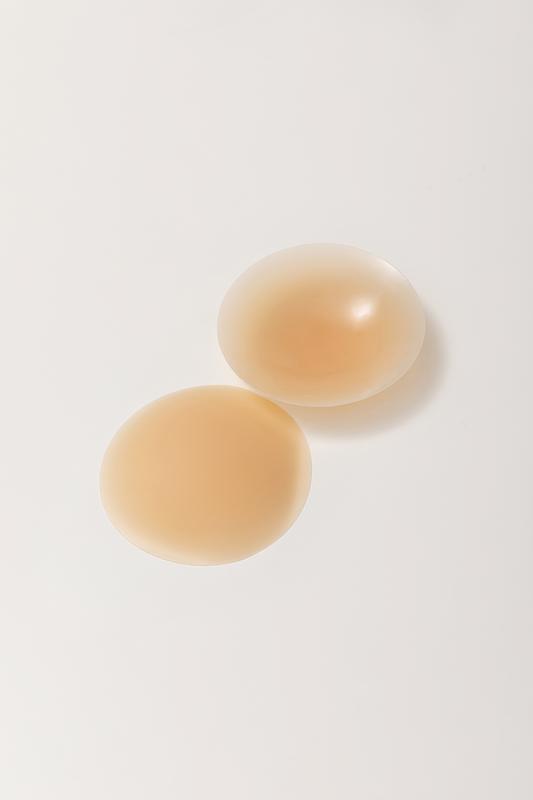
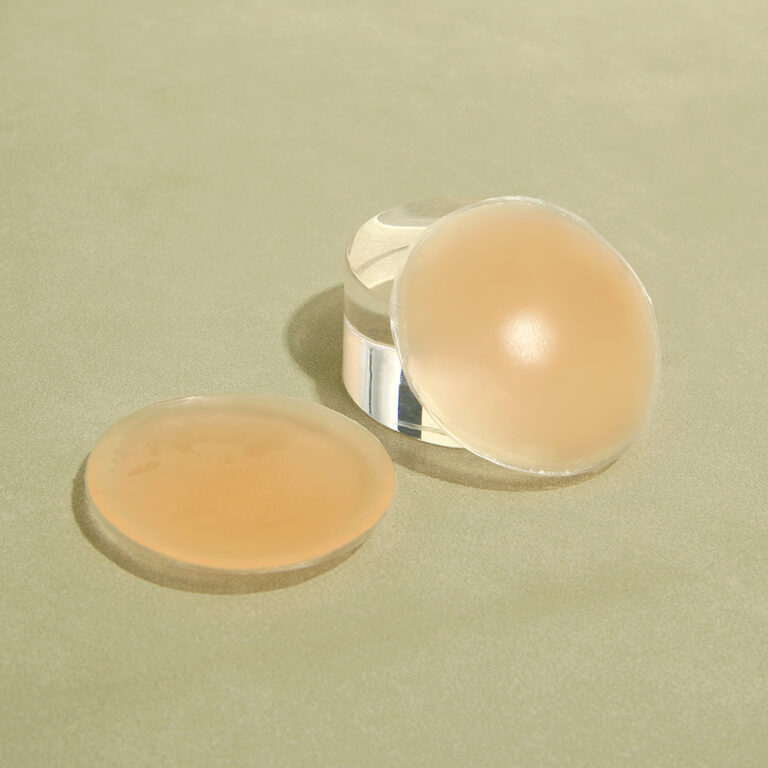
cubiertas de silicona para pezones
After twenty years of working with adhesion in the beauty world—whether that’s locking in a flawless gel polish finish, building a sturdy set of acrylics, or making sure a base coat holds like it should—one truth stands out: everything comes down to the bond, the surface, and the conditions. Humidity can be just as unforgiving with nail enhancements as it is with nipple covers that suddenly start traveling south at the worst possible moment.
So, pour yourself a drink—tea, iced coffee, or something stronger—and let’s look closely at how these discreet little helpers really behave in the heat. The goal is to pull back the curtain on the myths, unpack the mechanics, and give you a clear framework so your covers cling as reliably as a perfectly cured builder gel under a UV lamp.
The Science of Stick: Understanding Adhesive Fundamentals
Before humidity even enters the conversation, it makes sense to clarify what “sticking” actually involves. In nails, the way the nail plate, base coat, and each layer of gel polish o acrylic work together determines whether a set stays intact or starts to lift. If that first layer of bonding is off, lift is only a matter of time, no matter how beautiful the design looks on day one. Silicone nipple covers are governed by the same underlying logic.
What Makes Adhesion Tick? (Like a good base coat)
At its core, adhesion is all about two surfaces pulling toward each other at a microscopic level. In the case of nipple covers, the relationship to watch is between your skin and the adhesive side of the silicone. Imagine countless tiny points of contact that need to line up and press together. For that attraction to hold firmly, the surface has to be clean, dry, and as even as you can reasonably achieve. Anything that interrupts this “handshake”—oil, moisture, or uneven texture—cuts down the usable contact area and weakens the hold. That is why thorough nail prep, including dehydrator y pH balancer, is essential for long‑wear nail services; the same level of discipline should be used when preparing skin for nipple covers.
The Silicone Difference: Medical‑Grade Magic
Silicone nipple covers on the market do not all follow the same recipe. The standard of the silicone itself, and the way the adhesive system is built, has a direct impact on how long they stay on and how comfortable they feel—especially when heat and humidity come into play.
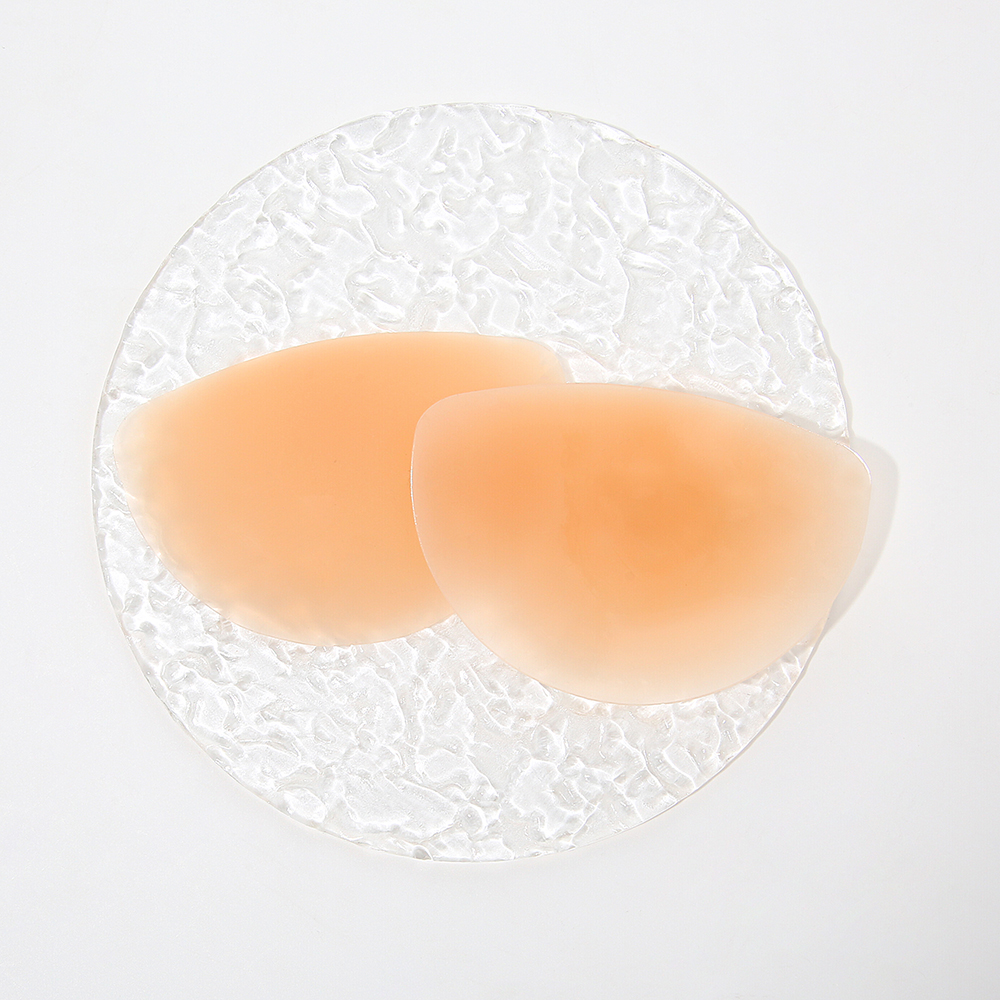
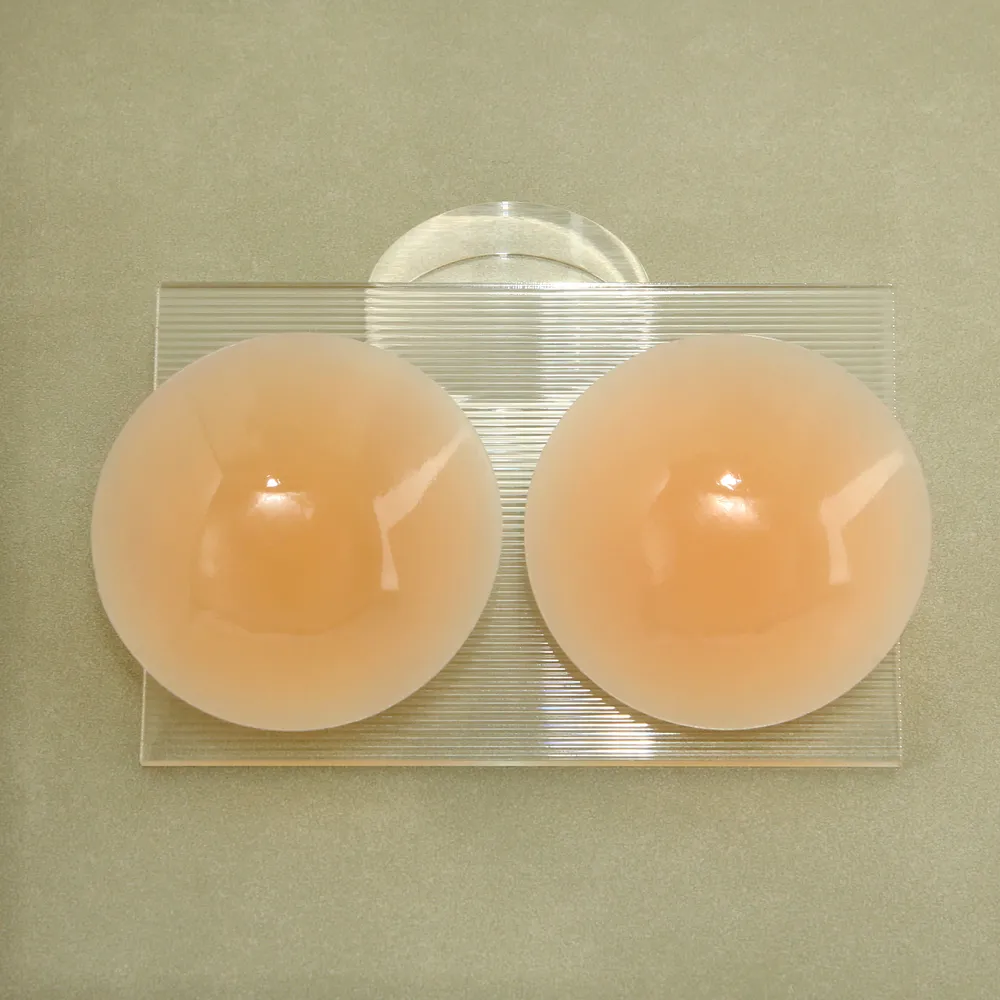
Top‑tier products often rely on medical‑grade silicone, chosen for how gently it behaves on skin and how predictably it grips. In many of these designs, the adhesive is merged into the silicone body rather than simply coated on top, giving the cover a more unified, flexible feel. This integrated structure allows the cover to follow the body’s contours more closely, move naturally as you do, and hang on more reliably when there is friction or tension. The grade of silicone also influences how soft it feels to the touch, how well it molds over curves, and how gracefully it stands up to sweat, warmth, and repeated wear.
The Nemesis: Sweat, Oil, and Humidity
The same forces that quietly ruin a carefully executed manicure are also the enemies of reliable nipple cover adhesion: perspiration, natural oils, and moisture in the air. In the salon, these are the subtle troublemakers behind gel polish that starts to elevar too soon or acrylics that never seem to stay as long as they should.
Sweat carries salts and fatty components that sit on the skin and form a slick film. Natural sebum then adds a whisper‑thin, water‑repelling layer of its own. Humidity, for its part, is essentially water vapor waiting for any opening in the bond. Working together, they erode the adhesive’s ability to stay in uninterrupted, close contact with the skin. This is exactly why professionals insist on careful sanitization, dehydration, and primer steps in nail services: it is a proactive way to keep these same issues under control.
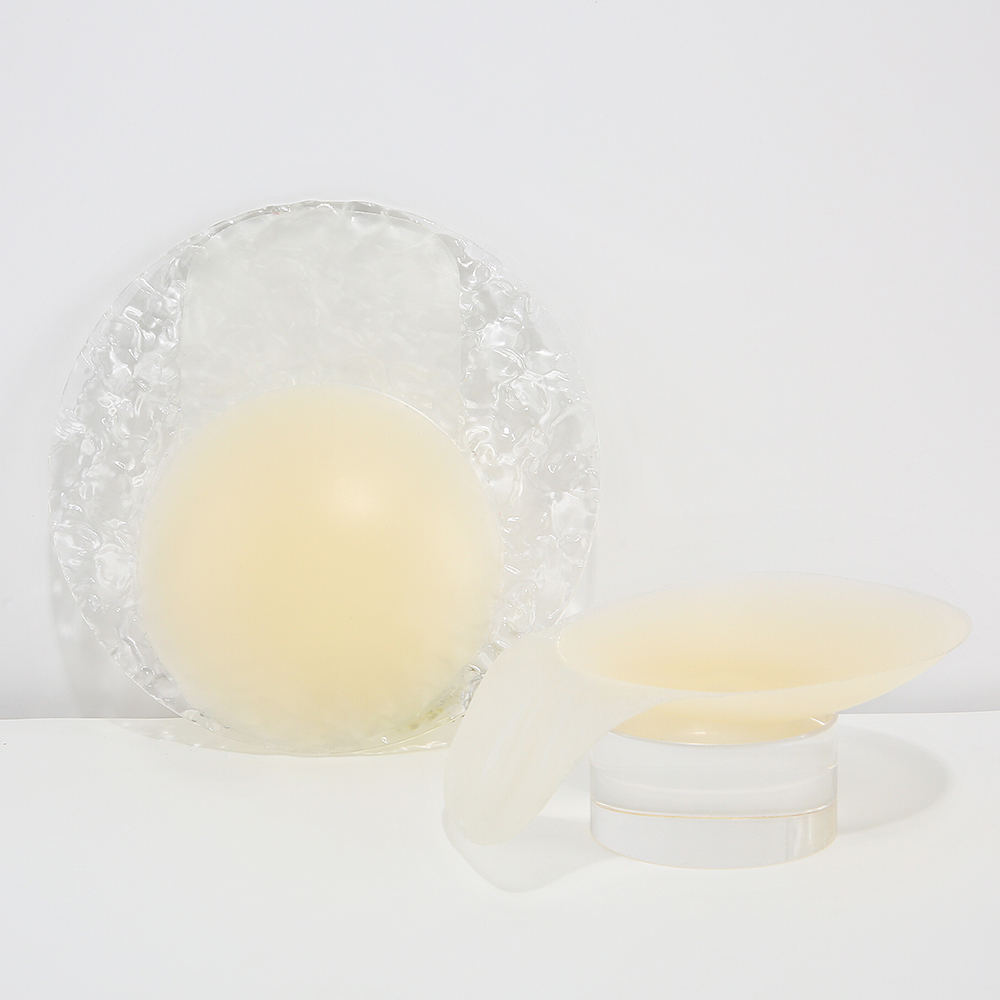
Humidity’s Ruthless Grip: Why It Matters
On a muggy day, stepping outside often makes the air feel heavy and clingy almost immediately. That sensation is more than just discomfort; it has tangible effects on how adhesives perform, particularly when a product depends on skin contact to stay in place.
The Water Vapor Effect: Undermining the Bond
In simple terms, high humidity means the air is carrying an unusually large amount of water vapor. When you press a silicone nipple cover onto your skin in that kind of environment, those water molecules rush to occupy any gaps at the adhesive–skin interface. It is similar to attempting a spotless top coat application in a room where dust is constantly circulating: invisible particles are already in motion, waiting to compromise the finish. Moisture can slide into the space between the adhesive and your skin, shrinking the portion that is truly making contact. In some formulations, the adhesive may also take up a small amount of water, swell slightly, and lose some of its initial tack. The outcome is usually a slow loosening rather than a dramatic pop‑off, but the net effect is the same—holding power drops.
Temperature’s Co‑Conspiracy: Heat and Adhesion Breakdown
Heat adds another layer to the problem. Rising temperatures affect adhesives in more than one way. As the material warms, it softens and becomes more pliable, which can be helpful up to a point, but also makes it easier for the cover to creep out of position. At the same time, your body responds to the heat by producing more sweat and oil. The trio of softened adhesive, persistent moisture, and extra sebum creates perfect conditions for the edges to start lifting. Conceptually, it is not far from misjudging cure time under a UV lamp para gel polish; when thermal control is off—too much or too little—the finished result is compromised.
The “Sweat Factor”: More Than Just Water
Sweat is far more complex than plain water. It contains salts, urea, and a mix of organic molecules. Together, these substances can leave the skin both slippery and chemically challenging for some adhesive systems. In high humidity, sweat does not evaporate efficiently, so it remains on the surface longer and keeps the adhesive exposed to this mixture. Trying to secure any product—whether it is gel polish on a nail or a nipple cover on the chest—over skin that is actively sweating and unprepared is almost a guarantee of elevar and unpredictable wear.
The Grand Prep: Laying the Foundation for Success
Just as a show‑stopping set of nail art starts with rigorous nail prep, secure nipple cover wear begins long before the covers touch the skin. In humid conditions, preparation is not an optional extra; it is the deciding factor.
Skin as the Nail Plate: The Ultimate Canvas Prep
I always tell apprentices that the nail plate is a canvas and should be treated with respect; the same attitude applies to the skin where nipple covers sit. It needs to be as pristine as you can reasonably make it if you want consistent performance.
– Cleanse
Start by cleansing the area with a mild, oil‑free wash, taking a little time to massage it over the skin so it can do its job properly. Any lingering residue from shower gels, moisturizers, or partially rinsed cleansers can leave a nearly invisible film that gets in the way of good adhesion. Rinse patiently until the skin no longer feels slick or coated—just as you would make sure a nail is clean before sanitizing para gel polish.
– Dry
After cleansing, the skin needs to be completely dry; on humid days, a fast towel‑off usually does not cut it. Blot away the obvious moisture with a soft towel, then allow a few minutes for the remaining dampness to evaporate naturally. When you are in a rush, a hairdryer on a cool setting held a little way from the body can help speed things along without warming the skin. Applying a nipple cover to slightly moist skin is comparable to brushing a base coat onto a nail plate that has not fully dried—problems are inevitable; it is only a question of when.
– Oil‑free
Within the exact zone where the nipple cover will sit, skip lotions, oils, fragrances, powders, and any other products. Even a barely visible layer of cuticle oil can compromise a manicure, and the same logic holds here. If your skin tends to be oily, especially in very humid weather, lightly wiping the area with an alcohol pad or witch hazel and letting it dry completely can add an extra layer of security before application.
Product Application: Precision Is Key
Once the canvas is ready, how you apply the covers becomes the next critical step.
Think of the application as working from the middle out. Remove the backing, anchor the center of the cover over the nipple, and then sweep your fingers outward to settle the edges. The aim is to keep the surface free of bubbles and folds, since even small pockets of air give moisture a place to collect and encourage elevar. Every time you lift and re‑stick the cover, a bit more oil, lint, or moisture transfers onto the adhesive, so treating that first placement as “the one” usually delivers the strongest hold.
Quality Matters: Not All Nipple Covers Are Created Equal
In the same way that salon‑level gel polish systems outperform bargain sets, well‑made silicone nipple covers generally prove their value the longer you wear them. Lower‑quality options can feel rigid, rub the skin the wrong way, or give up their grip far sooner—particularly when the weather is hot and sticky.
The Grade of Silicone: Premium vs. The Rest
Better‑grade, medical‑use silicone usually feels softer in the hand, stretches more comfortably, and tends to agree with sensitive skin. That flexibility lets the cover follow your movements rather than resisting them, which helps keep the edges down and makes it more comfortable under clothing. Lower‑grade silicone, on the other hand, is often less flexible and may pair with an adhesive that breaks down or becomes irritating more quickly.
Adhesive Longevity and Reusability: A Lifecycle View
Reusability is one of the main reasons many people reach for silicone nipple covers, but how many outings you actually get depends both on the quality you start with and how you care for them. A thoughtfully manufactured pair, cleaned gently and stored properly, can see you through numerous wears, while a budget set that is tossed around may start losing tack after just a handful of uses. In places where humidity is a daily constant, this “aging” speeds up, since the adhesive spends more of its life in contact with moisture and skin oils. The difference between a pampered pair and one that is ignored is as obvious as the gap between a carefully maintained gel manicure and a set that has been picked and peeled to pieces.
Edge Tapering: The Invisible Seal
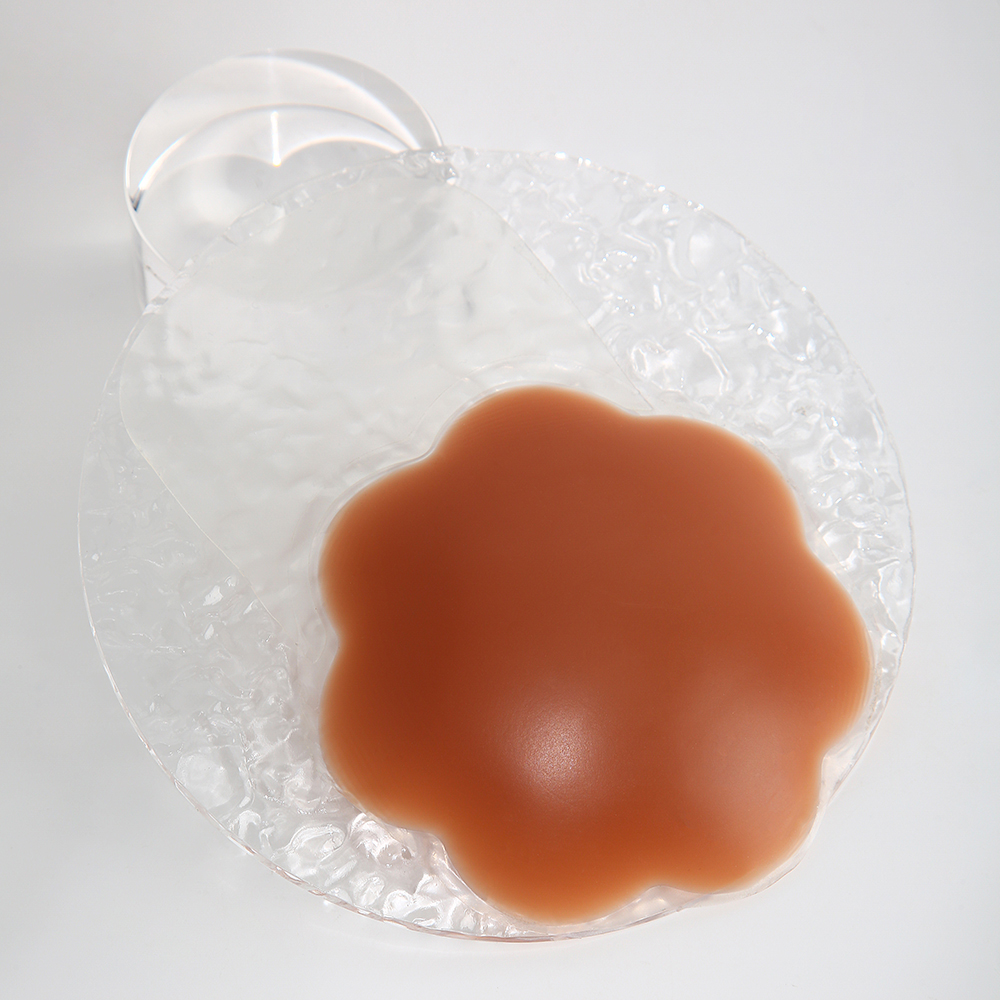
Edge construction has far more influence than it appears to at first. Premium covers usually feature feather‑thin, tapered borders that melt into the skin, giving a gentle fade‑out instead of a sharp outline. By contrast, chunky, blunt rims tend to snag on fabric, curl, or flick up, opening the door for sweat and humid air to slip underneath. The principle mirrors the difference between a meticulously filed y buffed nail edge that slips past fabrics without catching, and a rough edge that constantly snags and chips.
Real‑World Scenarios: When the Heat Is ON
On paper, adhesion seems simple enough, yet its true test happens in real life, when heat, humidity, and constant motion all show up at the same time.
The Outdoor Event: Festivals, Weddings, and Patio Parties
Outdoor events tend to stack multiple demands together—formal clothing, hours of continuous wear, and exposure to warmer air. Once you factor in walking, dancing, and a bit of adrenaline, body temperature rises and sweat production naturally follows. For these kinds of days, meticulous prep is your best insurance. Keeping a small pack of oil‑free wipes and a compact mirror in your bag gives you a backup plan, but ideally you will not need them if the first application is done carefully.
Everyday Wear in Tropical Climates: A Daily Battle
In places where humidity is part of daily life—think Florida, Singapore, or coastal Australia—even excellent nipple covers have to work harder. You may notice slightly shorter wear times compared with drier climates. Consistent skin prep, rotating between pairs so each set can dry fully, and realistic expectations about lifespan all help manage this. It is similar to working on naturally oily nail beds: you adapt technique and product choice to match the environment.
Exercise and Active Lifestyles: Pushing the Limits
Workouts bring together heat, sweat, and continuous motion, which is a tough trio for any adhesive to endure. Some nipple covers are marketed as “sport” or “high‑performance,” and with good prep they can handle low‑impact sessions or yoga reasonably well. For high‑intensity cardio or heavy training, however, a supportive sports bra is still the more dependable option, just as even the strongest builder gel has a breaking point under extreme mechanical stress.
Troubleshooting: When the Stick Starts to Slip
Even with the right products and careful prep, there will be days when conditions win. Learning what you can troubleshoot—and what you cannot—saves stress.
Emergency Fixes: Quick Save Techniques
If you feel an edge starting to elevar, press the cover back down from the center outward using steady, firm pressure. The warmth from your hand may revive a bit of tack for a short period. If you can step into a restroom, gently blot away any sweat, give the skin a moment to dry, and then smooth the cover back in place. Once the adhesive is heavily saturated with oil and moisture, though, any fix is temporary, much like trying to stick a chipped piece of gel polish back down without redoing the nail properly.
Post‑Wear Care: Extending the Life of Your Covers
Longevity is largely earned after you take the covers off.
Rinse them with lukewarm water and a mild, oil‑free soap, such as baby shampoo, then use your fingertips to gently massage away sweat, oils, and lint from the adhesive side. Make sure all soap is rinsed away, because residue can interfere with tack over time. Lay the covers flat with the adhesive facing up and let them air‑dry in a clean, dust‑free area—no towels, as fibers will cling to the surface. Once they are completely dry, replace the protective film or store them in their original case to shield the adhesive from dust and damage, just as careful storage preserves the shine and structure of a gel manicure.
Knowing When to Retire: Adhesives Have a Shelf Life
No matter how diligent you are, every pair of silicone nipple covers has a finite life. Over time, you will notice that the adhesive feels less tacky, the covers shift more easily, or the surface looks cloudy and uneven. Pushing for “one more wear” once they reach this stage increases the risk of a wardrobe malfunction, particularly in hot or humid conditions. When performance becomes consistently unreliable, it is time to retire that pair and invest in a new set, just as you would replace a base coat that no longer performs as it did when fresh.
Tips from the Nail Desk: My Secret Weapons for Ultimate Hold
Years of solving adhesion problems in the salon naturally lead to a few extra tricks that translate well to nipple covers.
The “Powder Play”: A Strategic Move
For very oily skin or extreme humidity, a light dusting of translucent setting powder around—but not under—the area where the cover will adhere can help absorb migrating moisture and oil. After applying powder to the surrounding skin, wipe the central application zone clean again so the adhesive still meets bare skin. It is similar to using targeted matte effects in nail art to control shine without sacrificing adhesion where it matters most.
Layering with Clothing: Your First Line of Defense
Clothing can quietly support adhesion. A structured top or a snug, non‑compressive bra can keep gentle, consistent pressure on the covers, helping the adhesive maintain close contact. The idea is not for the garment to hold the covers up entirely, but to lend a bit of mechanical backup—much like adding a thin layer of builder gel beneath gel polish to reinforce the nail.
Test Runs Are Essential: Don’t Wing It!
High‑stakes outfits are not the right time for first‑time trials. Before relying on a new pair for a big event, wear them at home for a few hours. Move as you normally would—sit, stand, reach, and walk—to see how they behave under similar conditions. Treat it like your personal cure time and wear‑test, the way you would evaluate a new nail art system before offering it to clients.
The Right Fit: Size Does Matter
Size directly affects both coverage and adhesion. If a cover is too small, it might not provide enough adhesive area around the nipple and areola to create a strong seal. If it is too large, the material may buckle or crease, especially near the edges, inviting moisture in. Choose a diameter that comfortably covers the nipple and areola with a margin of smooth skin around it, the same way you balance length and thickness when choosing acrylics for durability and comfort.
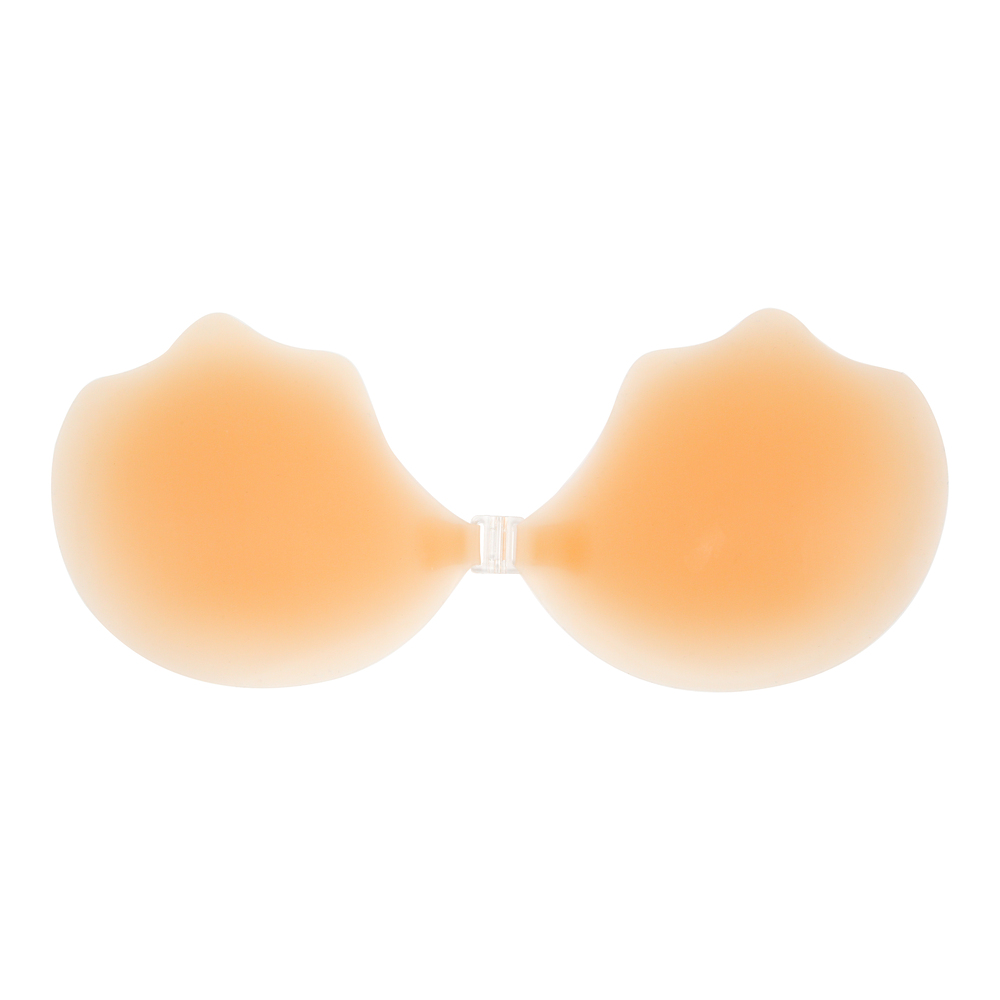
Conclusión
So, how long do silicone nipple covers actually stay on in humid weather? The honest answer is that it varies—from a few hours to all day—depending on product quality, how carefully you prep, the level of heat and humidity, how much you move, and your individual skin chemistry. There is no single universal cure time that applies to everyone.
What you can control is the way you set the stage: choosing high‑quality, medical‑grade silicone, treating skin prep with the same respect you give meticulous nail prep, applying with care, and maintaining the covers properly between wears. When those elements come together, even a sticky, tropical day becomes far less of a threat.
Think of it as mastering a complex gel polish system. It asks for good products, sound technique, and attention to detail, but the payoff is a result that feels seamless, reliable, and genuinely confidence‑boosting.