-
Dirección: 2221 Remington Ave, Ontario, California

Sticky Nipple Covers: How to Apply Them Correcting the First Time.
You know what nobody tells you? Sticky nipple covers are either the best thing in your wardrobe… or an itchy, sliding disaster. The difference is almost always how you apply them the first time.
Let’s fix that.
Tabla de contenido
What are sticky nipple covers actually for?
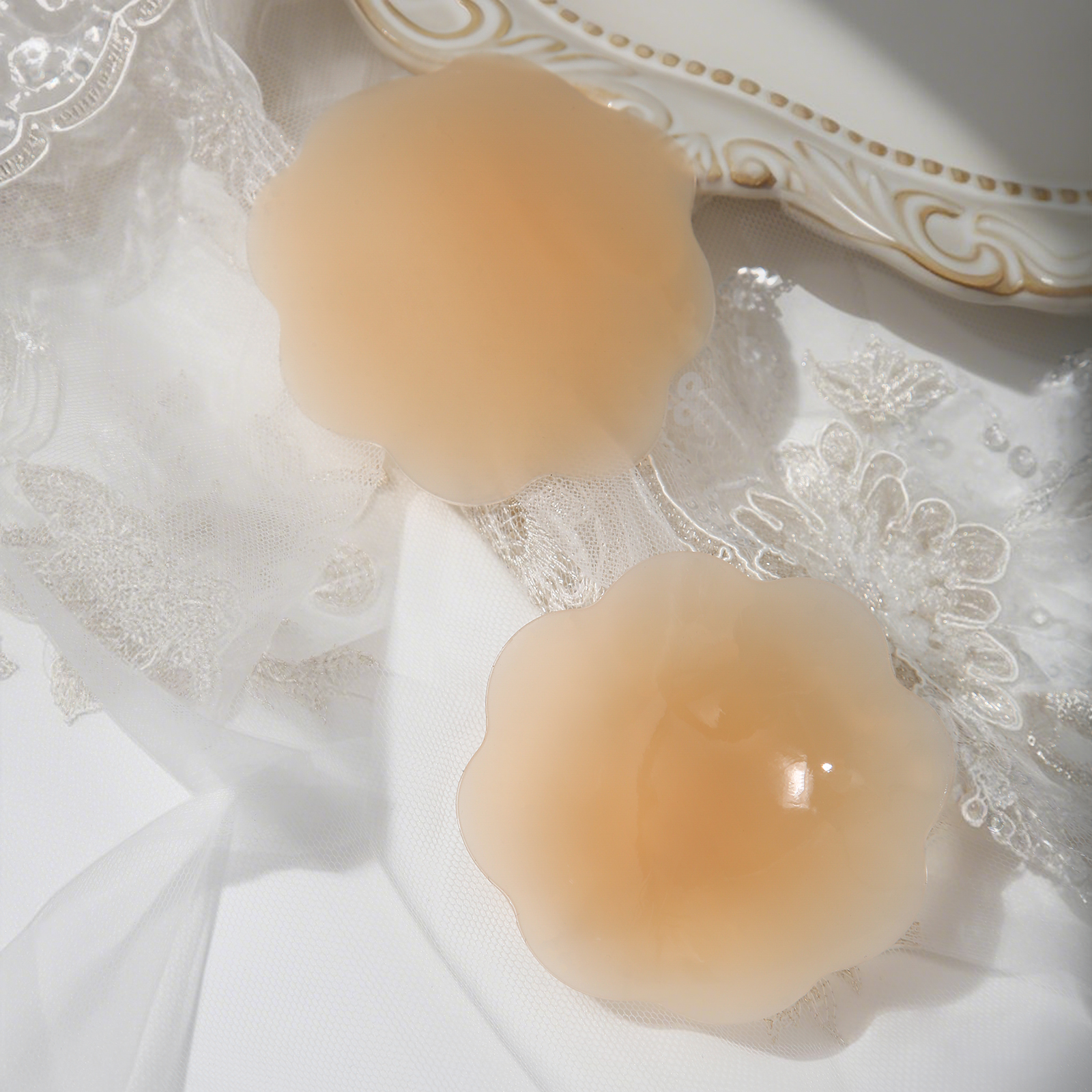
Sticky nipple covers are thin adhesive pads that hide nipples, smooth the breast area, and let you go braless under tricky outfits without visible bra lines.
They’re basically the quiet hero under:
- Backless dresses and low-back tops
- Sheer blouses or thin T‑shirts
- Strapless or one-shoulder outfits
- Plunge necklines where regular bras just don’t work
You’ll see different types:
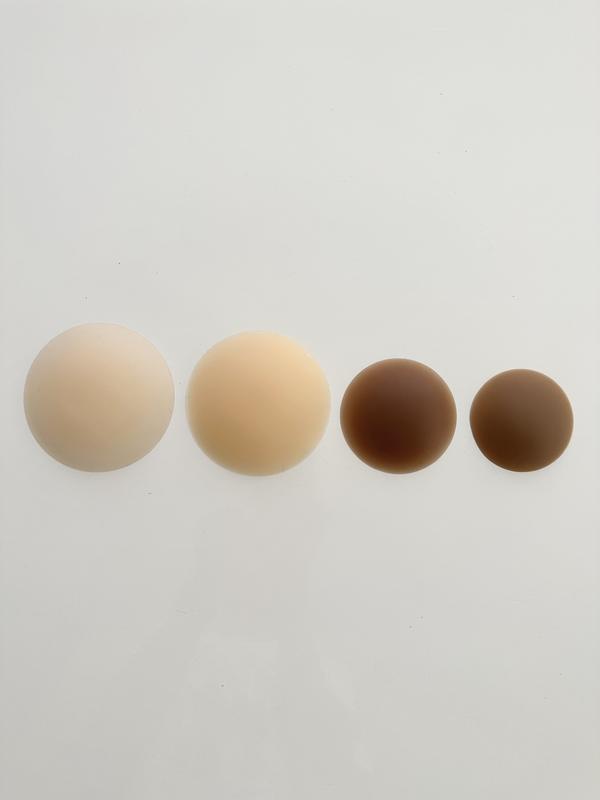
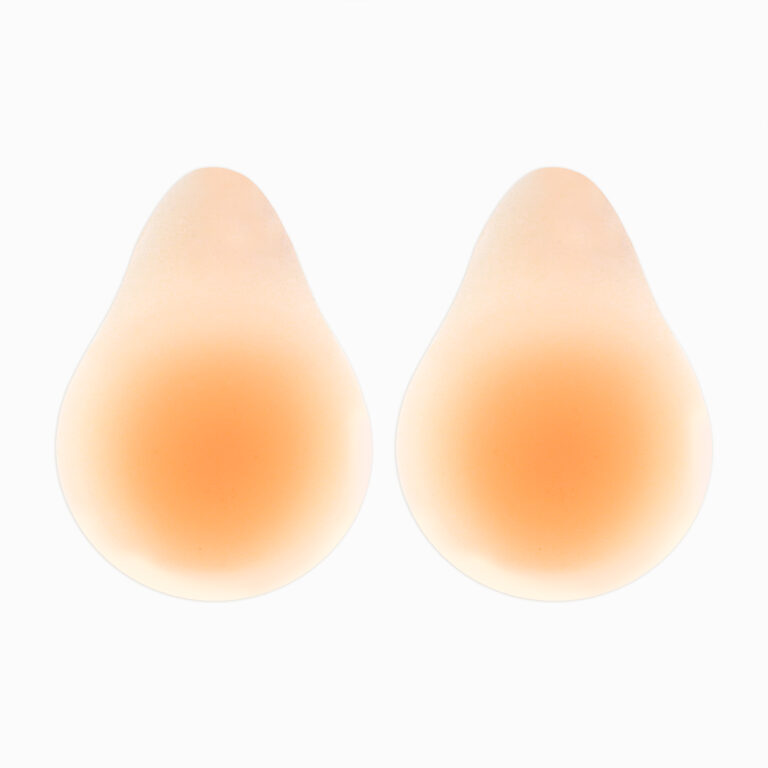
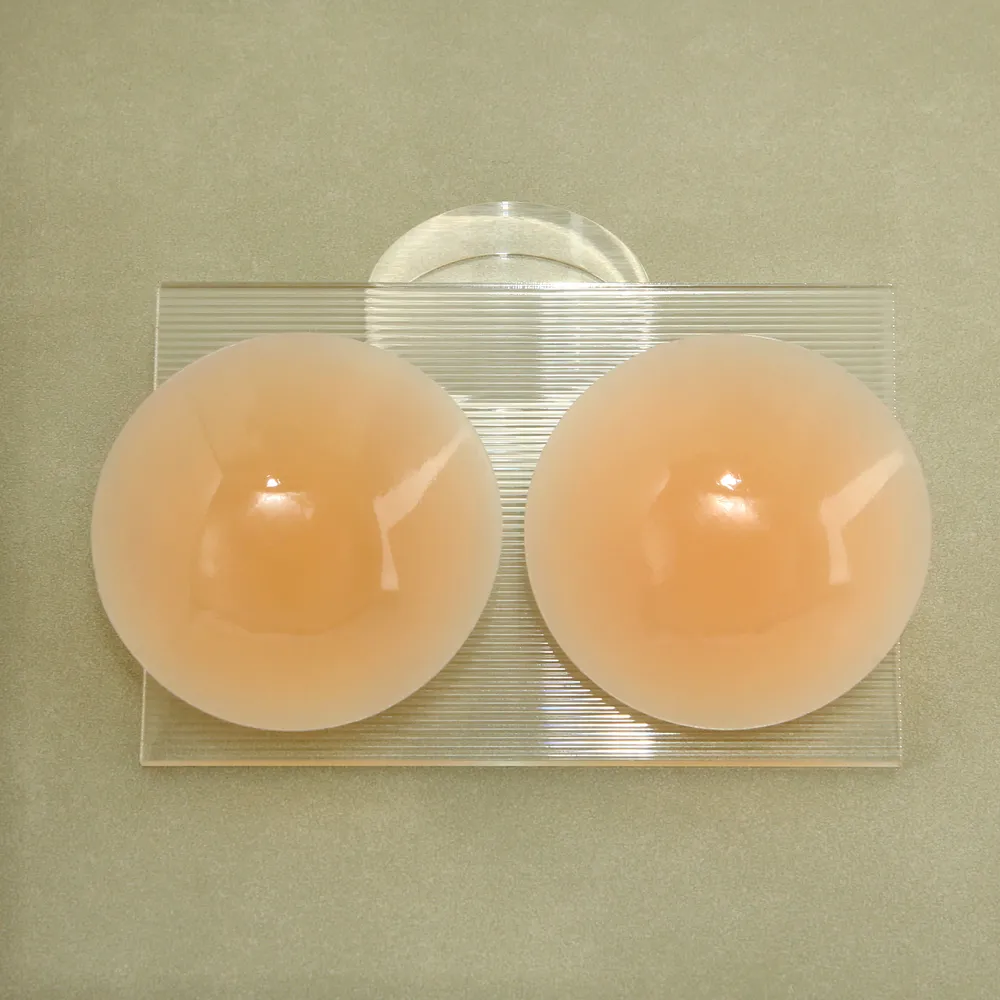
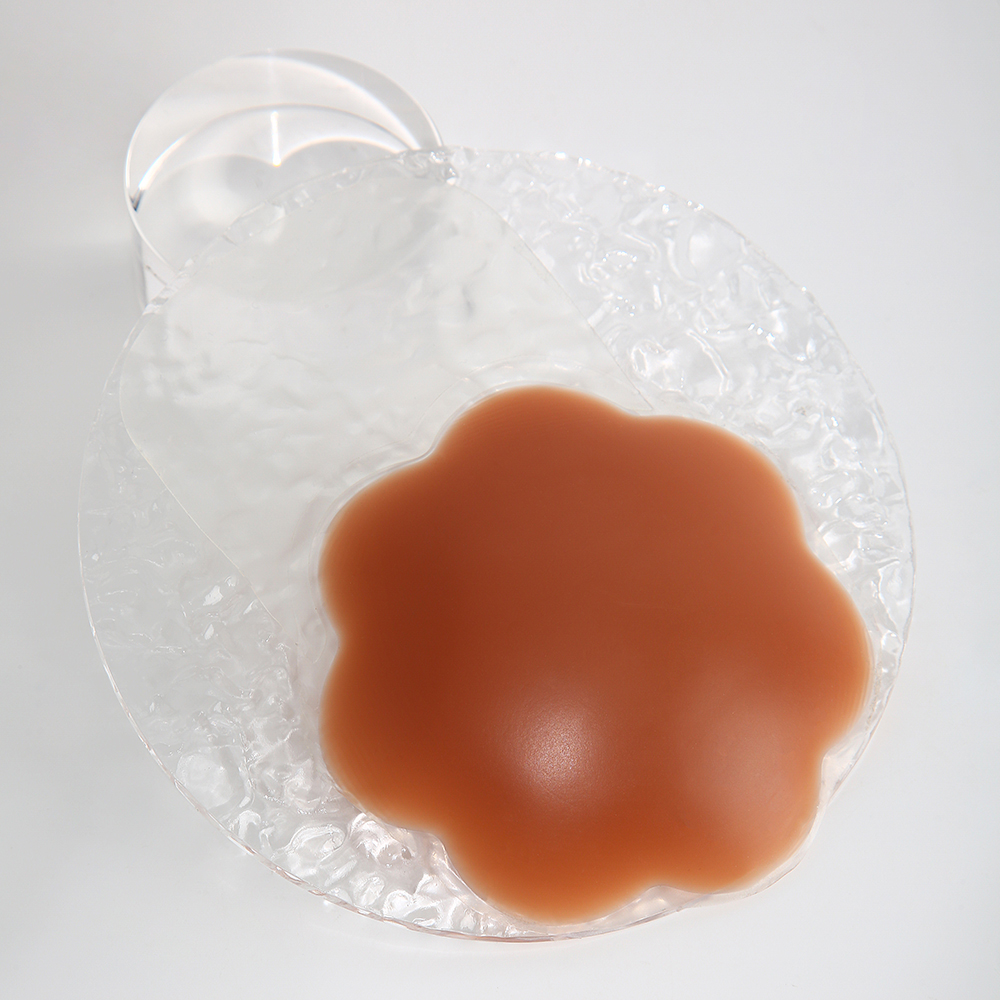
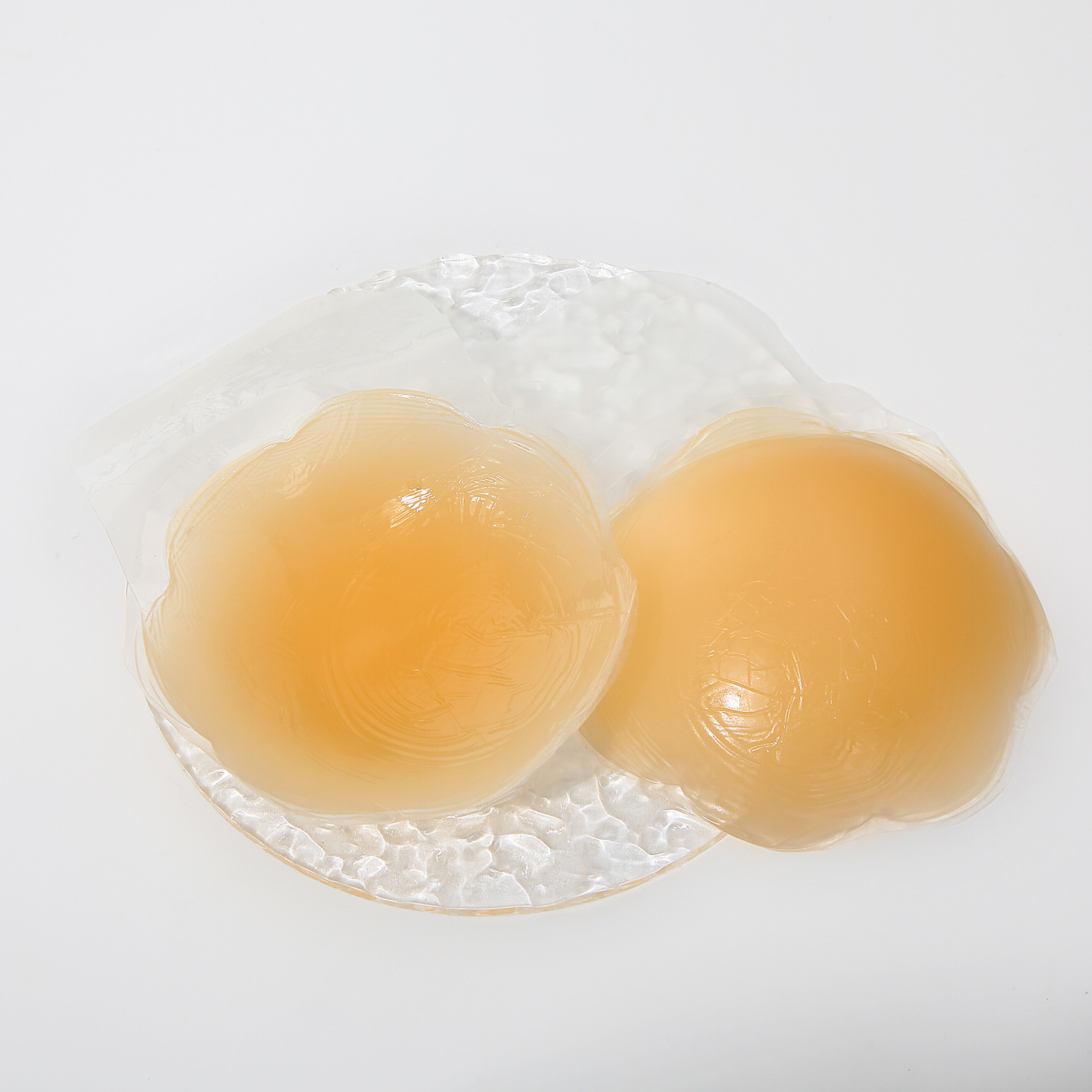
- Cubiertas de silicona para pezones (washable, reusable, soft, skin-like
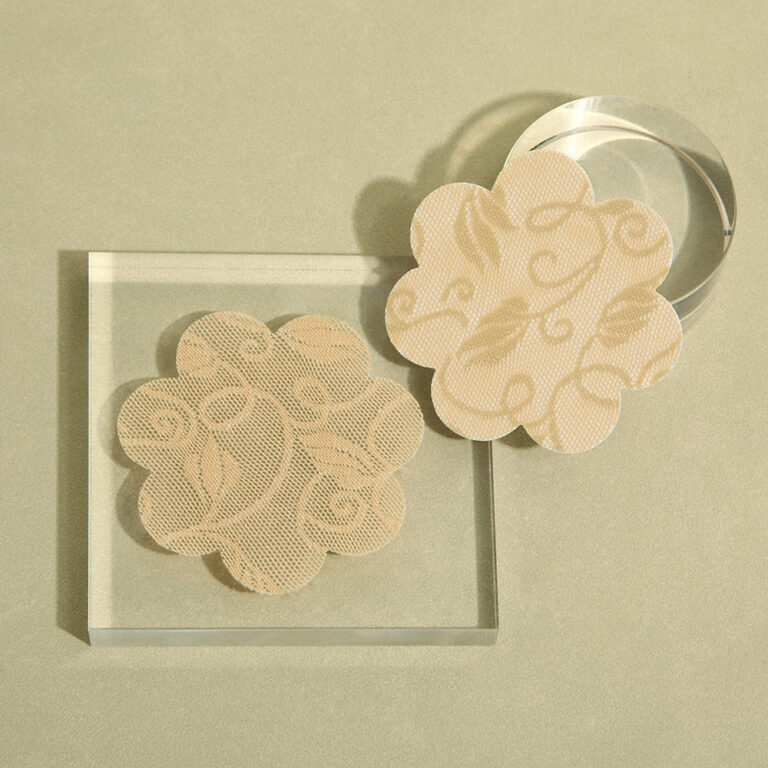
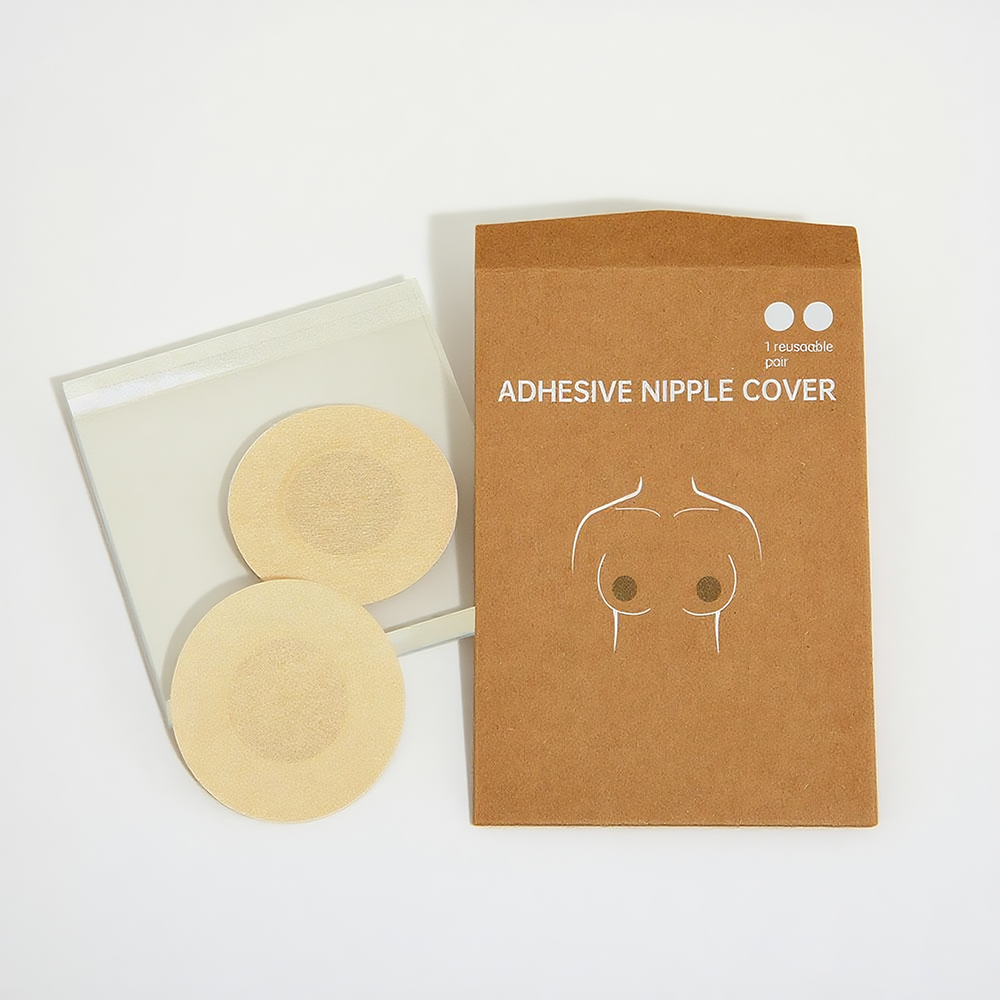
- Fabric nipple covers or patches (often thinner, great for one-time wear)
- Cubre pezones desechables (paper/fabric with adhesive, wear once and toss)
If you’re using something like a cubierta de pezón de silicona, cubierta de pezón reutilizable, o cubierta de pezón desechable from a specialist brand, the basic rules are similar – what changes is how you care for them and how many uses you get.
How do you prep your skin so nipple covers actually stick?
Your nipple covers will only stay put if your skin is totally clean, dry, and free of oils, lotions, or powders.
Here’s the thing: most “they fell off” horror stories start in the bathroom, not the club.
Do this before you even touch the covers:
- Wash your chest and areola area with mild soap and water.
- Rinse well so there’s no residue.
- Pat completely dry with a clean towel (no rubbing in body oil “just a tiny bit,” it matters).
- Skip lotion, oils, perfume, self-tanner, powder, anything. Even “dry” oils wreck adhesion.
If you’re using cubiertas de silicona reutilizables para pezones, many brands also suggest:
- Washing your covers with mild soap and water before first use.
- Letting them air dry fully before applying.
If you have very sensitive skin, test the adhesive on a less sensitive spot (like the side of your ribcage) for 10–15 minutes before committing your nipples to the experiment.
How do you find the right size and type the first time?
Choose nipple covers that fully cover your areola, match your skin tone as closely as possible, and match your outfit’s needs (reusable vs disposable, silicone vs fabric).
This is where most of us wing it and regret it.
Think about:
- Cobertura:
- Measure the diameter of your areola.
- Pick a cover that’s at least 1–2 cm wider so the adhesive sits on skin, not right on the edge.
- Material:
- Silicone nipple cover / silicone breast cover: soft, slightly thicker, great for T‑shirts and thin fabrics.
- Fabric nipple cover / nipple patch: often thinner, better under very clingy or textured clothing where even silicone edges might show.
- Disposable nipple cover: perfect for sweaty days, travel, or if you don’t want to commit to washing and reusing.
- Occasion:
- Hot, sweaty outdoor event? Fabric or disposable might feel less sticky.
- Everyday under T‑shirts? Reusable silicone is usually the sweet spot.
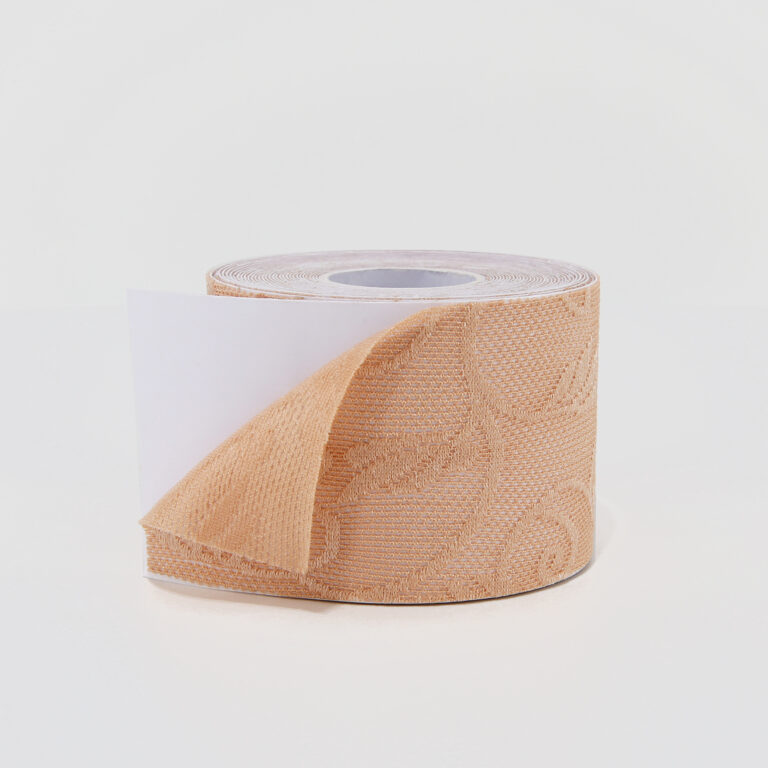
If you’re building a little “bra alternatives” drawer, products like fabric nipple patches, cubierta de pezón reutilizable, y cubierta de pezón de silicona pair really well with things like cinta para el cuerpo o cinta para tetas for lift.
How do you apply silicone nipple covers correctly step-by-step?
To apply silicone nipple covers properly, start with clean, dry skin, peel the backing carefully, center the cover over your nipple, press from the center outward, and smooth the edges until there are no bubbles or wrinkles.
Let’s walk through it like you’re getting dressed for a real event, not a product photo shoot.
Step 1: Hands first, then skin
- Wash your hands so you’re not rubbing oil or hand cream into the adhesive.
- Make sure your chest is clean, dry, and lotion-free (yes, repeating this on purpose).
Step 2: Peel the backing the smart way
- Hold the cubierta de pezón de silicona by the non-adhesive edge.
- Gently peel off the protective plastic film. Keep that film nearby – you’ll need it to store the covers later.
- Don’t let the adhesive touch towels, clothes, or hair. Every tiny fiber weakens the stick.
Step 3: Center and place, don’t just slap them on
- Stand in front of a mirror; sitting or twisting usually leads to wonky placement.
- Look straight ahead, relax your shoulders.
- Lightly hover the cover over your nipple and visually center the middle of the disc over the nipple.
- Once you’re confident, gently place the center onto the nipple first.
Some people like to slightly “flip” the cover inside out and roll it on from the center out so it curves and suctions more smoothly. It sounds silly, but it works surprisingly well to avoid air pockets.
Step 4: Press and smooth from the center out
- With one or two fingers, press the center down firmly.
- Slowly smooth outward to the edges, pressing as you go to remove bubbles or wrinkles.
- Run your fingertips around the outer edge to make sure everything is sealed.
You’re aiming for:
- No creases
- No raised edges
- No visible “line” you can feel through your clothes
Step 5: Let them “set” before you get dressed
- Keep them on bare skin for about 10–15 minutes before putting on tight or textured clothing.
- This gives the adhesive time to fully bond so they’re less likely to peel when you move or sweat.
It feels like overkill, but especially with thicker cubiertas de silicona para pezones, that little waiting period is the difference between “all night secure” and “is that… slipping?”
How do you apply fabric or disposable nipple covers?
For fabric or disposable nipple covers, the process is similar: clean and dry skin, peel the backing, center over the nipple, and press the edges firmly—but expect a thinner feel and usually one-time use.
Fabric and paper-style covers are a bit less forgiving because:
- The adhesive is often stronger on the first go.
- The material doesn’t stretch like silicone, so placement matters even more.
Key tips for fabric nipple covers or disposable patches
- Follow the same prep: clean, dry, product-free skin.
- Peel backing, center over the nipple, press the center, then press around the edges.
- Some fabric covers (especially lifting styles) have tabs you pull upward for a mini lift – position the circle first, then pull and stick the tab.
- These are usually not designed to be reused; don’t stick them back on your skin after they’ve collected lint or lost tack.
If your wardrobe includes things like cubierta de pezón de tela, cubierta de pezón desechable, o one-time use nipple cover, these are the ones to grab when you don’t want to clean anything later.
How long can you wear nipple covers safely?
Most experts recommend wearing nipple covers for about 6–8 hours at a time to let your skin breathe and prevent irritation.
Let’s be honest: plenty of people stretch that on big nights out, but here’s what’s generally advised:
- 6–8 hours is the sweet spot for comfort and skin health.
- Some reusable silicone options say you can wear them about 8–12 hours depending on weather and skin type, but that’s more of a max than a daily target.
- If you feel itching, burning, or serious discomfort, take them off sooner.
If your skin is sensitive:
- Alternate days where you go fully braless at home with no covers at all.
- Try different materials (silicone vs fabric) and look for “hypoallergenic” and “medical-grade adhesive” on the label.
How many times can you reuse silicone nipple covers?
High-quality reusable silicone nipple covers can usually be reused dozens of times—often around 20–40 wears or even up to 30–50 uses with careful cleaning and storage.
Does that always happen? Nope. Real life gets in the way. But here’s the typical range:
- Many brands state 20–50 uses if you wash and store them correctly.
- Some specifically promise “up to 40+ wears.”
- In reality, heavy use, sweat, and rough handling can shorten that.
You’ll know it’s time to retire them when:
- The adhesive is patchy or no longer sticky in spots.
- The silicone looks cloudy or discolored.
- Edges won’t stay down even on perfectly prepped skin.
A fun little hack: keep your “freshest” pair for special outfits and demote older pairs for quick errands where perfection doesn’t matter.
How do you remove nipple covers without wrecking your skin?
To remove nipple covers gently, peel from the edge toward the center slowly, and if they tug or hurt, loosen the adhesive with warm water or an oil-based remover instead of ripping them off.
This is the part that separates “cute little hack” from “why do my nipples hate me.”
Do this:
- Wash your hands first.
- Start from one edge and slowly peel toward the center, keeping the angle low and close to the skin.
- If it’s stubborn or painful:
- Place a warm, damp washcloth over the area for a few minutes.
- Or massage a bit of baby oil or oil-based makeup remover around the edges to help release the adhesive.
After removal:
- Gently wash and rinse your skin.
- Pat dry and let everything breathe—skip harsh exfoliants or strong actives (like acids or retinoids) on that area that night.
For cubiertas de silicona reutilizables para pezones:
- Wash with mild soap and lukewarm water.
- Let them air dry with the sticky side up.
- Once completely dry, reapply the protective plastic backing and store them in a clean container.
Why do my nipple covers keep peeling off or showing through clothes?
Nipple covers usually peel, slide, or show through clothes because of oily skin, sweat, poor placement, worn-out adhesive, or using the wrong material or size for your outfit.
If they’re betraying you, run through this checklist:
Common reasons they won’t stay put:
- You used body lotion, oil, or sunscreen on your chest.
- You applied them on damp or sweaty skin.
- The covers are old and the adhesive is basically done.
- You didn’t press firmly enough from the center out, so there are air pockets.
- The edges are sitting on textured fabric or lace instead of flat skin.
Why they sometimes show:
- The cover is too small, so you get a tiny bump exactly where the nipple is.
- The material is thicker (silicone) under super thin, clingy fabric.
- The color contrast is too strong for your skin tone or top.
Quick fixes:
- Switch to a cubierta de pezón de tela o fabric nipple patches under clingy garments.
- For thin shirts, choose a slightly larger diameter cover so the transition from skin to edge is smoother.
- Always test with your actual outfit before leaving the house—jump, twist, sit, raise your arms. If they survive that, you’re good.
How do sticky nipple covers compare to sticky bras and boob tape?
Nipple covers simply hide and smooth nipples, while sticky bras provide shape and support, and boob tape offers lift and custom shaping for more dramatic outfits.
Here’s a quick look at how they stack up:
| Item | What it does best | When to use it |
|---|---|---|
| Nipple covers / nipple pasties | Hide nipples, smooth the area, minimal bulk | Everyday tops, tees, light dresses |
| Pasties bra / stick on bra | Light shape + coverage without full bra straps | Strapless, off-shoulder, casual backless looks |
| Sticky bra / adhesive bra / silicone bra | More shape and cleavage, some support | Plunge necklines, fitted dresses, events |
| Boob tape / body tape / breast tape | Custom lift, direction, and shaping | Deep plunge, asymmetric necklines, red-carpet-style outfits |
For minimalism and comfort, pezoneras de silicona reutilizables o cubierta de pezón de silicona win. For serious lift, tape and sticky bras take over.
The END
If you want nipple covers to work the first time, treat them like skincare, not stickers.
- Start with completely clean, dry, product-free skin, and skip lotion on your chest that day.
- Choose the right type: silicone for reusable everyday wear, fabric or disposable for one-time or very thin outfits.
- Center the cover over the nipple, press from the middle out, and smooth edges until there are no bubbles or wrinkles.
- Let them set for about 10–15 minutes before dressing for maximum grip.
- Wear them for about 6–8 hours (up to around 8–12 max depending on the product and your skin) and remove gently with water or oil if needed.
- With good cleaning and storage, reusable silicone covers can often last 20–40+ wears, sometimes up to 30–50 uses。
- If they keep peeling or showing, check for oils, sweat, wrong size, or worn-out adhesive—and consider swapping to fabric nipple covers or a different style like a sticky bra or boob tape.
Got a specific outfit you’re stressing about—backless, plunge, satin, sheer? Drop it in the comments and we can walk through exactly which nipple cover (or sticky bra or boob tape) combo will actually survive the night.