-
C/O 2221 Remington Ave, Ontario, California

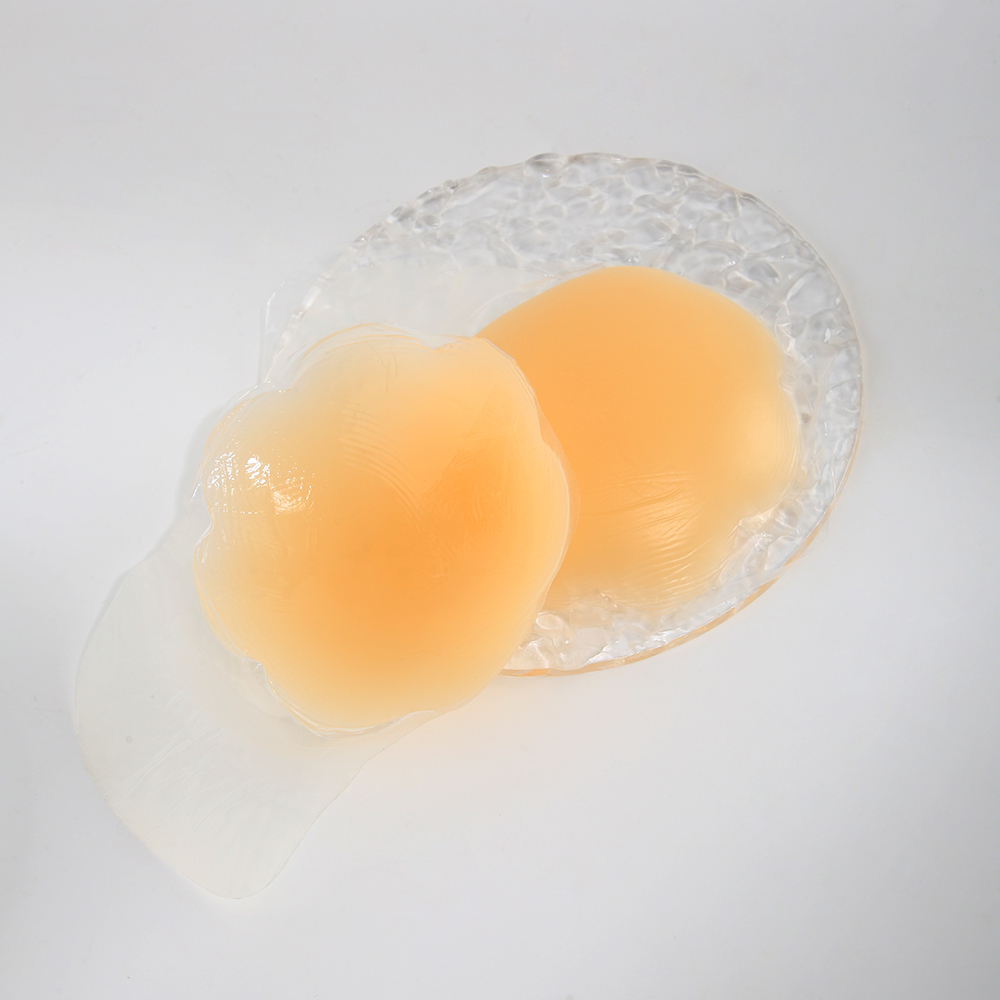
Does Body Lotion Ruin the Adhesive of Your Nipple Covers?
Does Body Lotion Ruin the Adhesive of Your Nipple Covers?
If you love smooth, moisturized skin but also rely on nipple covers for daily outfits, you have probably wondered: does body lotion ruin the adhesive of your nipple covers? The short answer is yes — creams, oils, and lotions are among the top reasons why nipple covers stop sticking or fall off halfway through the day. The good news is that with the right routine, you can enjoy both healthy skin and long‑lasting nipple cover adhesion.
In this article, you will learn how body lotion interacts with adhesive, what actually damages your nipple covers, and how to prep, apply, clean, and store them for maximum lifespan.
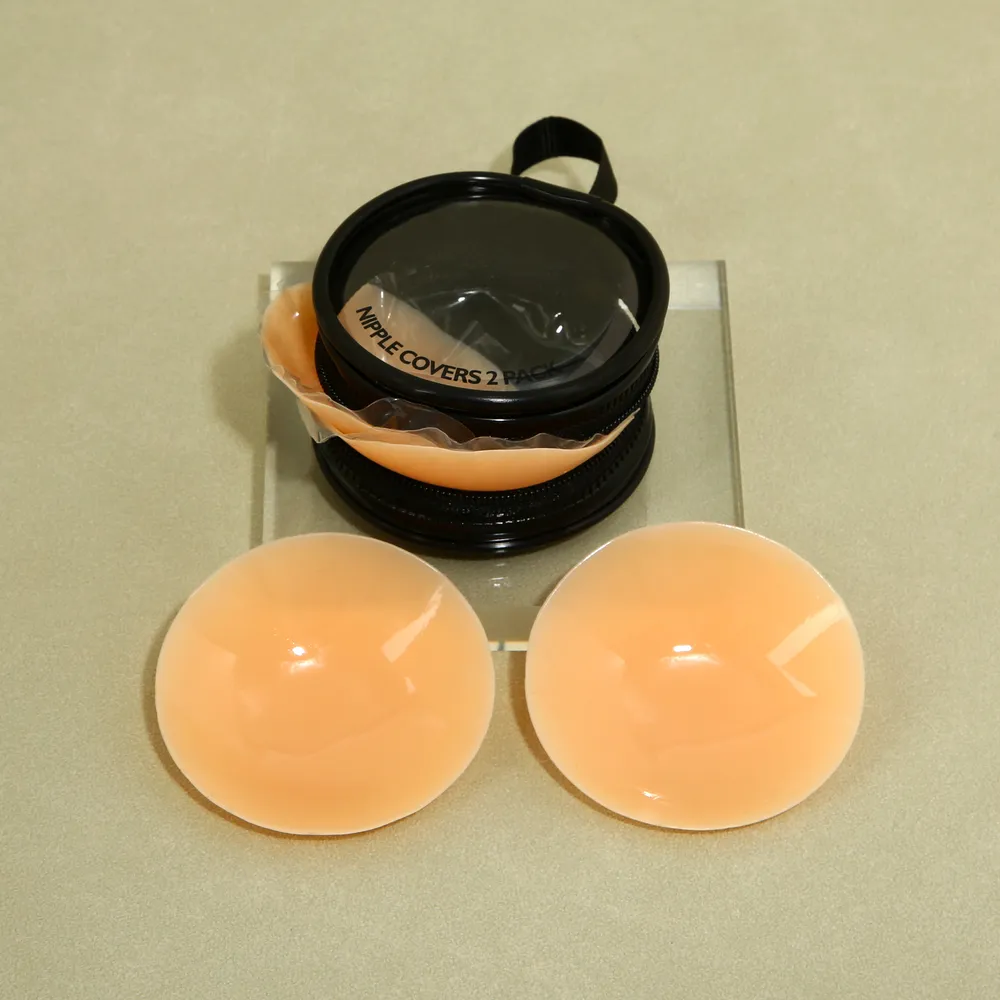
How Nipple Cover Adhesive Works
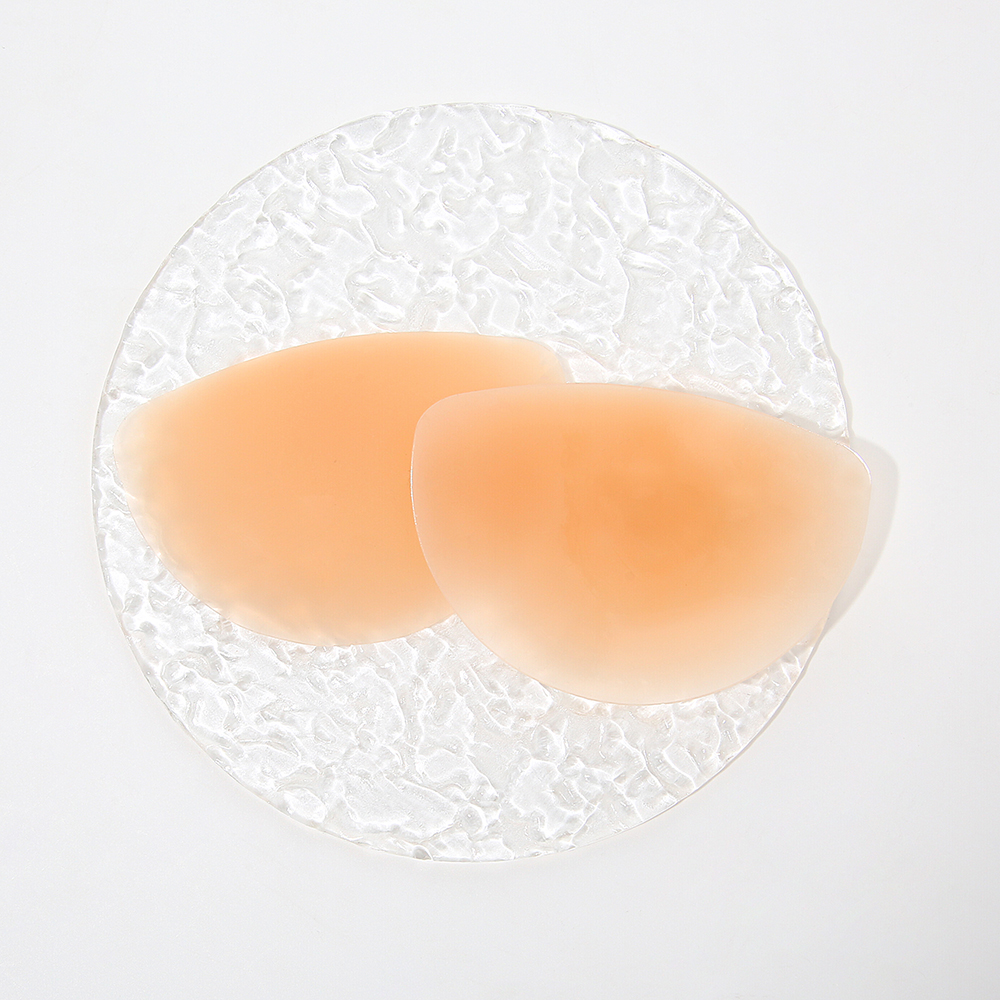
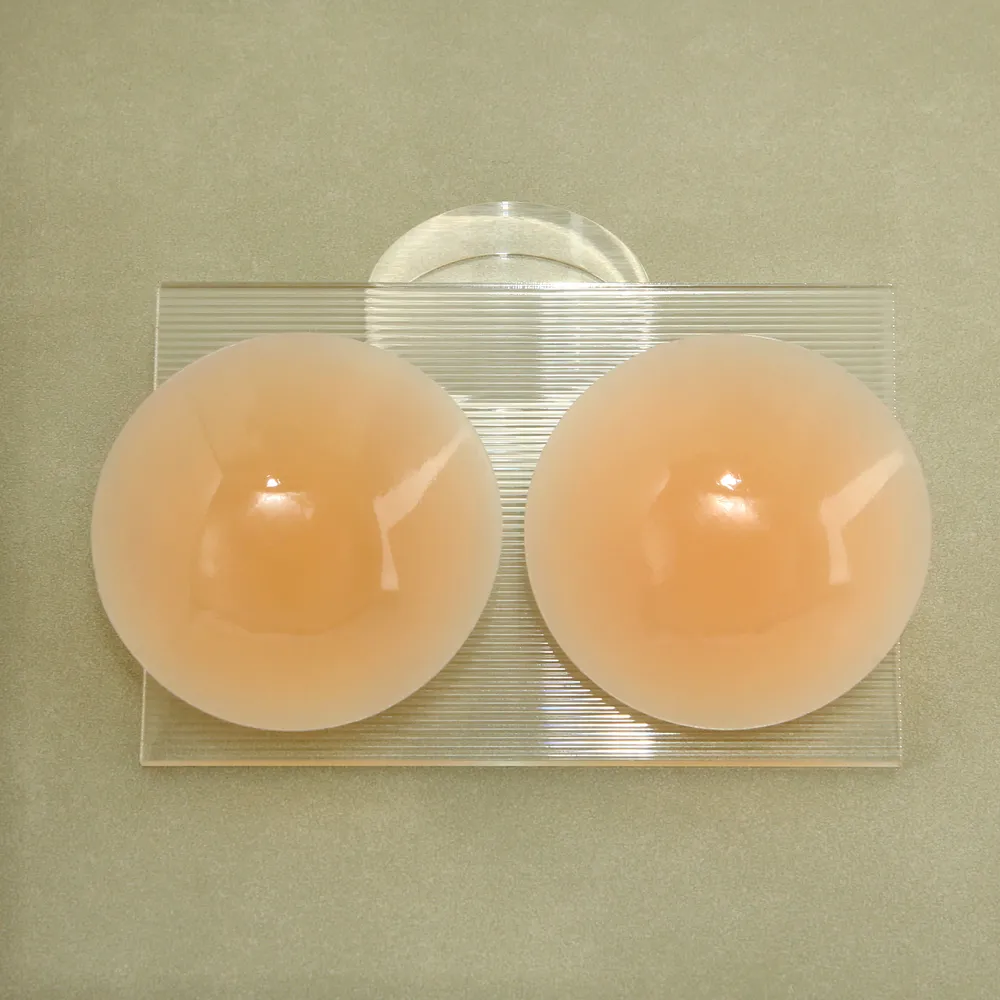
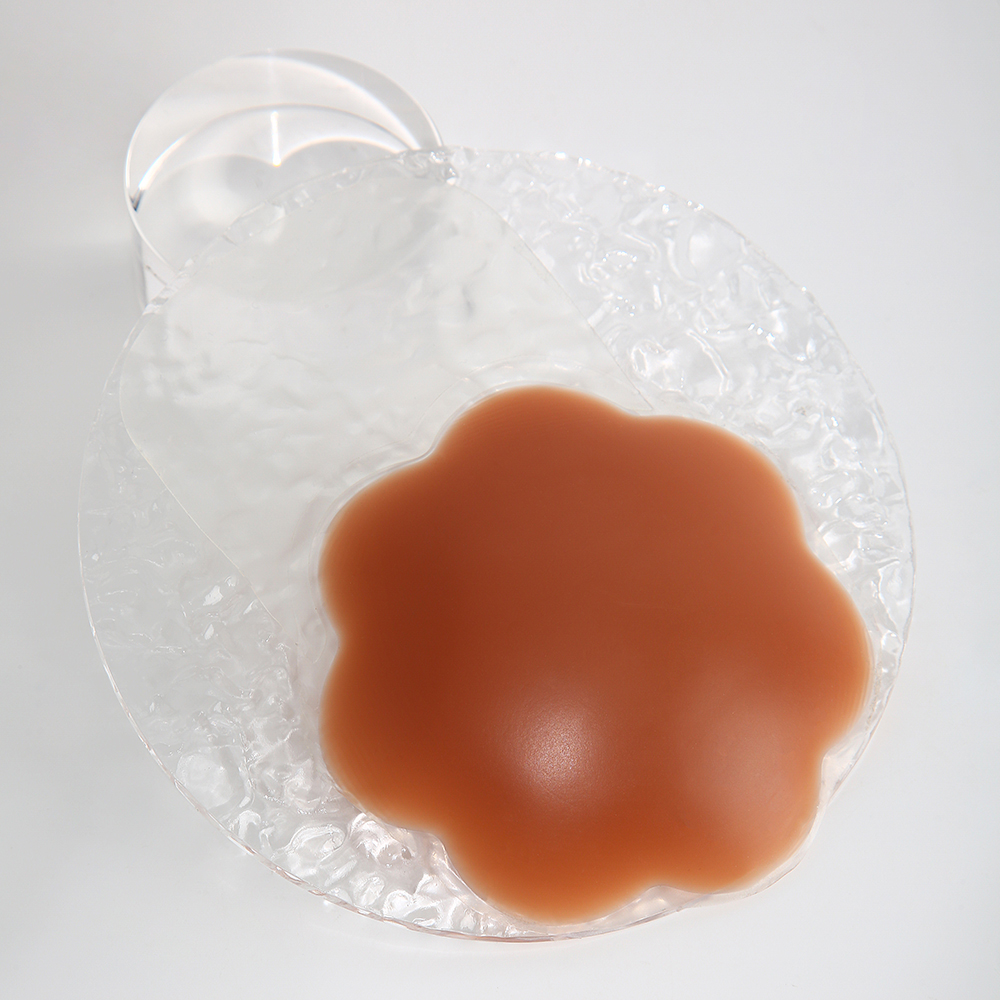
Most reusable nipple covers are made with a soft silicone or fabric front and a pressure‑sensitive adhesive (PSA) layer on the back that bonds to the skin surface. This adhesive is designed to be tacky enough to hold all day, yet gentle enough to peel off without ripping the skin.
Silicone‑based adhesives stay consistently gentle while still holding well as they warm up with your body temperature.
Medical‑grade PSAs rely on close contact with clean, dry skin to create a strong bond; any barrier between the glue and the skin reduces adhesion dramatically.
When the adhesive layer is properly pressed against clean skin, it flows into the tiny irregularities of the skin surface, increasing contact area and grip.
Why Body Lotion Makes Nipple Covers Stop Sticking
Body lotions, creams, and body oils are emollients, which means they soften and lubricate the skin surface — and that is exactly what makes them bad news for sticky nipple covers.
1. Lotion Creates a Slippery Barrier
Instead of contacting your bare skin, the adhesive is trying to stick to a thin, oily layer of lotion. This barrier:multimedia.
Reduces the real contact area between adhesive and skin.
Makes the nipple covers slide, lift at the edges, or fall off when you move or sweat.
Medical and fashion adhesive guides consistently warn to keep skin free from creams and oils before applying any adhesive product.
2. Oils Can Partially Dissolve or Soften Adhesive
Many body lotions contain oils (mineral oil, plant oils, silicones) that can migrate into the adhesive layer over time. These oils may:
Soften the glue so it no longer has the same tackiness.
Leave a smeared, uneven adhesive surface that attracts lint and dust more easily.
This is one of the main reasons brands recommend avoiding oil‑based cleansers on the adhesive side and emphasize “no lotions” before application.
3. Lotion Traps Moisture and Sweat
If you apply nipple covers onto freshly moisturized skin, the skin may stay slightly humid underneath the product. Trapped moisture and sweat:
Reduce adhesive performance and increase the risk of edges peeling up.
May irritate sensitive skin, especially if wearing covers for long hours.
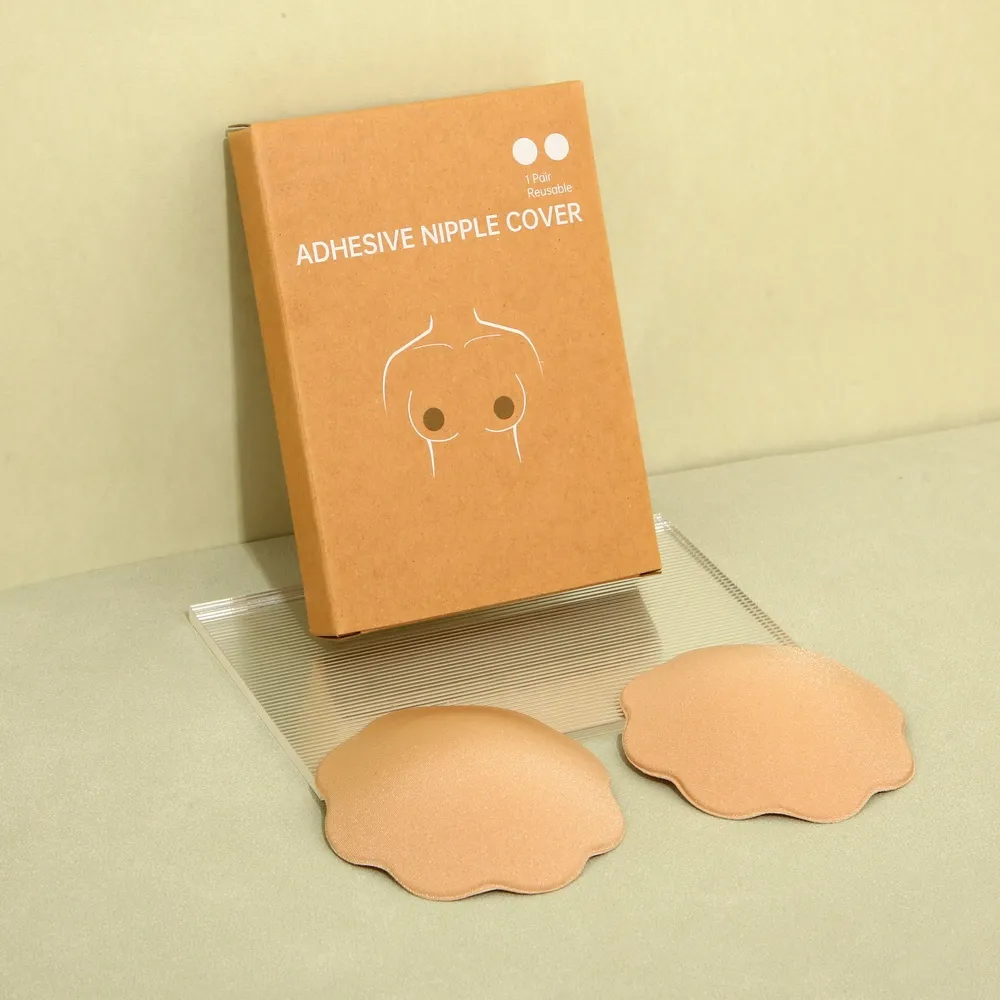
Does Lotion Permanently Ruin the Adhesive?
Whether body lotion permanently ruins your nipple covers depends on how often it happens and how quickly you clean them.
Occasional light contact with lotion can sometimes be reversed with proper cleaning using mild soap and water.
Repeated use over lotion, or soaking the adhesive in oils, will usually shorten the life of the nipple covers and may permanently reduce stickiness.
Most reusable nipple covers are designed for multiple wears, but longevity always assumes you apply them to clean, dry, lotion‑free skin and follow the care instructions.
How to Use Body Lotion Without Ruining Your Nipple Covers
You do not have to choose between hydration and coverage. You just need a smarter routine so your adhesive never sits directly on top of fresh lotion.
1. Moisturize First, Then Wait
If you need to apply body lotion to your chest:
Moisturize at least 30–60 minutes before getting dressed, focusing on areas outside where the nipple covers will sit.
Allow the skin to fully absorb the product; if the surface still feels slippery or glossy, it is too soon for nipple covers.
If you know you will wear covers, you can skip lotion on the exact areola and surrounding area and moisturize the rest of the chest instead.
2. Keep the Application Area Completely Clean
Right before you apply your nipple covers:
Wash the breast area gently with mild soap and lukewarm water to remove any residue of lotion, sunscreen, perfume, or deodorant.
Pat completely dry with a soft towel and give the skin a minute to air‑dry so there is zero moisture left.
Many brands highlight “clean, dry, lotion‑free skin” as the single most important step for good adhesion.
Step‑by‑Step: How to Apply Nipple Covers for Best Adhesion
A clear application routine not only keeps the adhesive safe from lotion but also helps you get a smoother, more invisible finish under clothing.
Prepare your skin
Wash and dry the chest area, ensuring no trace of body lotion, oil, or powder remains where the covers will sit.Check your covers
Make sure the adhesive surface is clean, free of lint and dust, and not damaged or torn.Position carefully
Stand in front of a mirror, lean forward slightly to allow the breast to fall naturally, then center the nipple cover over the nipple.Press and smooth
Press from the center outward to remove air bubbles and ensure full contact with the skin, especially around the edges.Test before leaving
Gently move your arms and torso to check that the covers stay in place and edges do not lift.
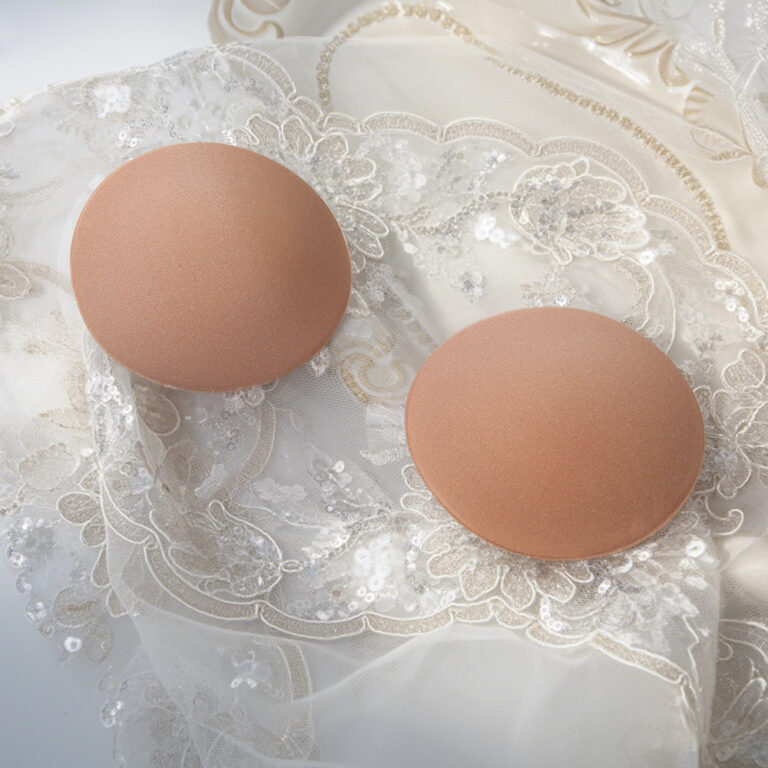
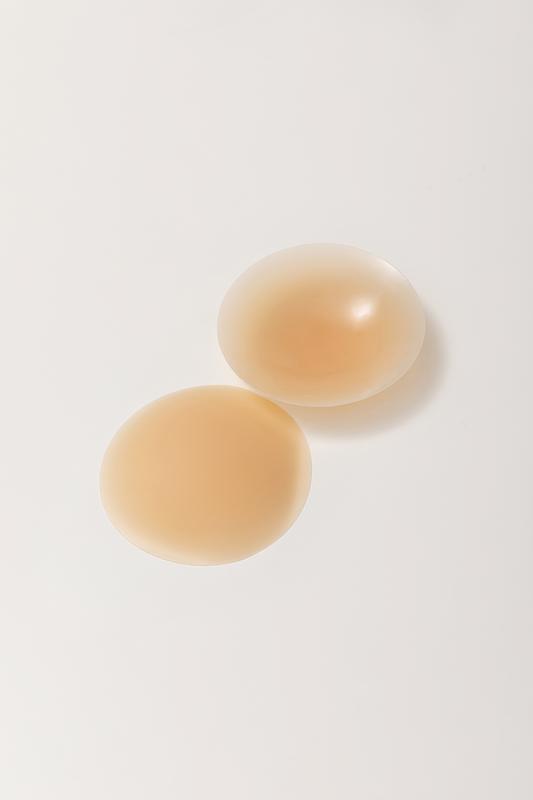
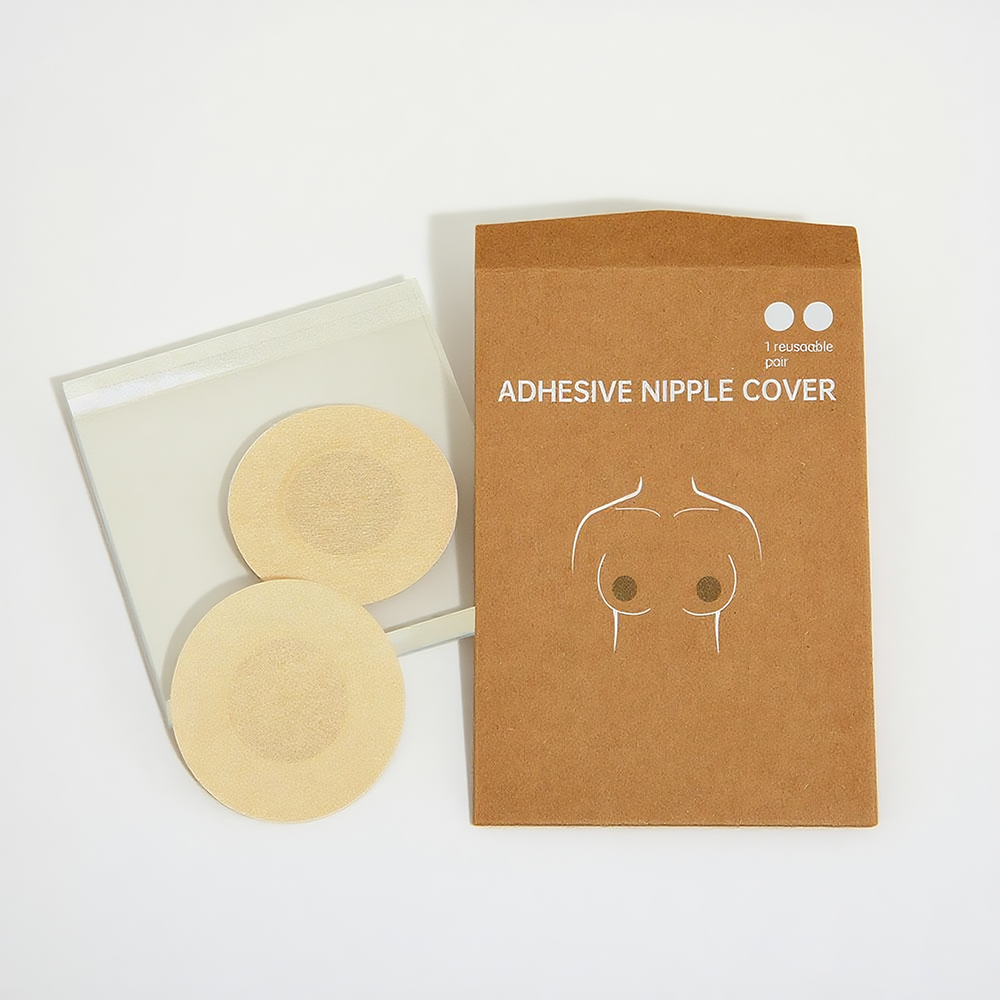
For everyday outfits, many people prefer soft, reusable silicone options like a Copricapezzolo in silicone.If you mainly need coverage for one‑off events, a lighter Copricapezzolo monouso can be more convenient.
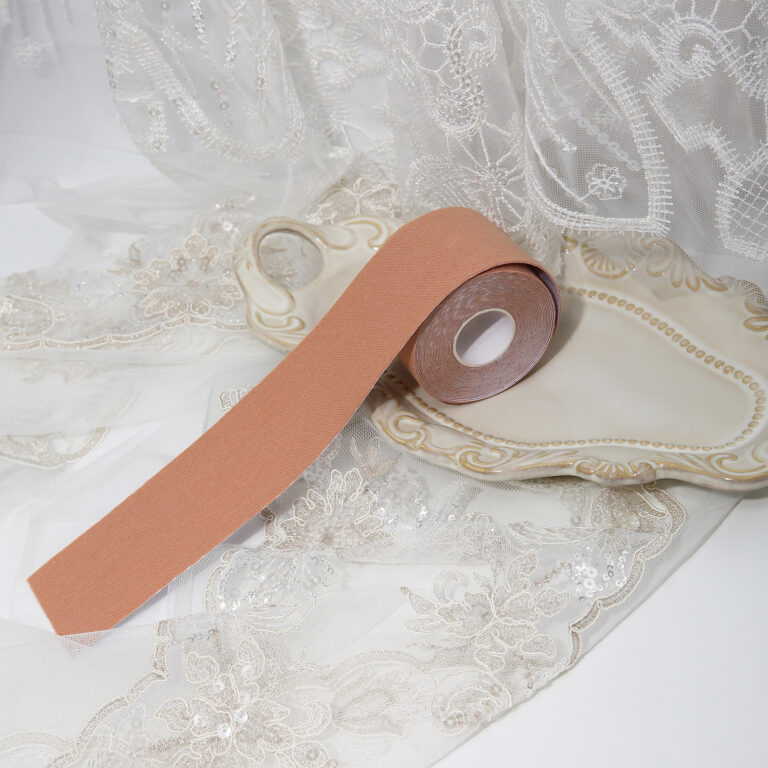
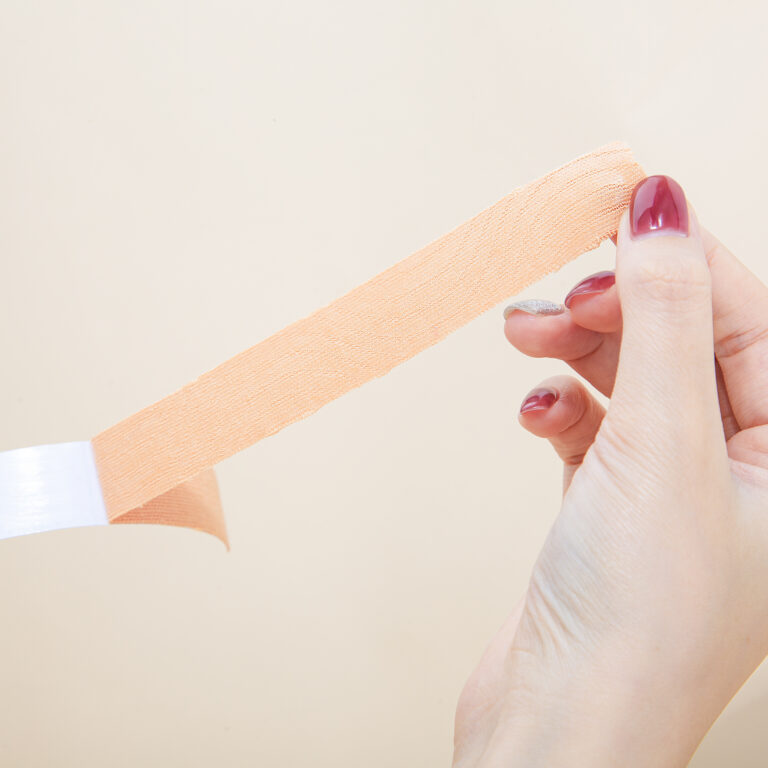
For backless or deep‑V dresses that also need lift, combining nipple covers with Nastro per il corpo gives more shaping and support.
How to Clean Nipple Covers After Contact with Lotion
If your covers accidentally touched lotion or you feel they are less sticky than before, a good cleaning routine can often restore part of the grip.
1. Use Mild Soap and Warm Water
Most brands advise hand‑washing reusable nipple covers with gentle soap and lukewarm water.
Hold the covers under running water and use your fingertips to lightly massage the adhesive surface in small circles.
Avoid nail scratching, rough cloths, or harsh cleansers, which can strip or damage the adhesive layer.
A “mild soap” means no exfoliating beads, no strong solvents, and no added oils; these ingredients can further weaken the adhesive.
2. Rinse Thoroughly and Air‑Dry
Any soap residue left on the adhesive will also interfere with stickiness.
Rinse until the surface feels clean and slick rather than slippery or filmy.
Shake off excess water and place the covers adhesive‑side up on a clean, flat surface to air‑dry completely.
Do not use a towel, tissue, or hairdryer on the adhesive; fibers and heat can damage the surface.
3. Re‑apply the Protective Film
After drying, many high‑quality nipple covers come with a reusable plastic liner to protect the adhesive between wears.
Reapply this liner as soon as the covers are dry to minimize air exposure and dust.
Proper storage is crucial to keep the glue from drying out and losing tack.
Other Factors That Affect Adhesion (Not Just Lotion)
While body lotion is a major enemy of stickiness, several other factors work together to influence how well your nipple covers perform.nursing.
Sweat and heat: Hot weather, workouts, and dancing increase sweat, which can break the bond and make covers slide or peel.
Skin texture and hair: Very oily skin, body hair, or textured scars can reduce the surface area available for adhesion.nursing.
Wearing time: Wearing covers for long hours day after day can stress both skin and adhesive, especially if not cleaned correctly between uses.
Product quality: Medical‑grade silicone and well‑designed adhesives tend to be gentler and more reliable, while very cheap products may wear out faster.
A good practice is to rotate between multiple pairs or styles (for example reusable silicone plus a backup pack of disposable covers) instead of exhausting a single pair quickly.
Skin Safety: Lotion, Adhesive, and Irritation
From a skin‑health perspective, both lotion and adhesive play a role. Many people with sensitive skin worry about irritation, redness, or allergy.
Adhesive nipple covers can cause irritation or allergic reactions in sensitive users, especially with long wear or if the skin is already compromised.
Emollients like lotion can help maintain the skin barrier when used at other times of day (for example, night‑time moisturizing after removing the covers).
A safe routine for sensitive skin includes:
Limiting wear time and giving skin days off when possible.
Moisturizing the chest area after removal and cleansing, not just before application, so the barrier stays healthy without blocking adhesion.
For readers who want a deeper dive into adhesive‑related skin science, medical sources on medical adhesive–related skin injury (MARSI) explain how adhesives interact with the epidermis and why skin prep matters so much nursing.
When It Is Time to Replace Your Nipple Covers
Even with perfect lotion management and careful cleaning, nipple covers are not designed to last forever.
You may need a replacement when:
The adhesive stays dull and non‑tacky even after proper washing and air‑drying.
The edges curl permanently or the backing is cracked or torn.
You experience repeated lifting or sliding during normal daily activities on clean, dry skin.
Key Takeaways for Everyday Use
To wrap up, body lotion does not have to ruin your nipple covers — but if used at the wrong time and place, it definitely can.
Always keep the application area clean, dry, and completely free from lotion, oil, and perfume before you apply nipple covers.
Use body lotion either well before wear (with full absorption) or after removing your covers, not right before application on the same area.
Clean your nipple covers gently after each wear and store them with their protective liners to maintain adhesion.
Replace pairs that no longer stick even on perfectly prepared skin and consider investing in high‑quality silicone or fabric nipple covers designed for multiple uses.