-
C/O 2221 Remington Ave, Ontario, California

Top 5 Tips to Keep Your Nipple Covers Sticky for Months.
Let’s be honest: most “reusable” nipple covers don’t die because the adhesive is bad. They die because we treat them like fast fashion instead of what they actually are: tiny, high-maintenance silicone divas that live for clean skin and gentle care.
If you’ve ever had a brand new pair of copricapezzoli in silicone start sliding down your dress by 10 p.m., this guide is for you.
Below are the top 5 tips I use to keep my nipple covers sticky for months—sometimes 30+ wears—without weird hacks or buying new pairs every weekend.
Sommario
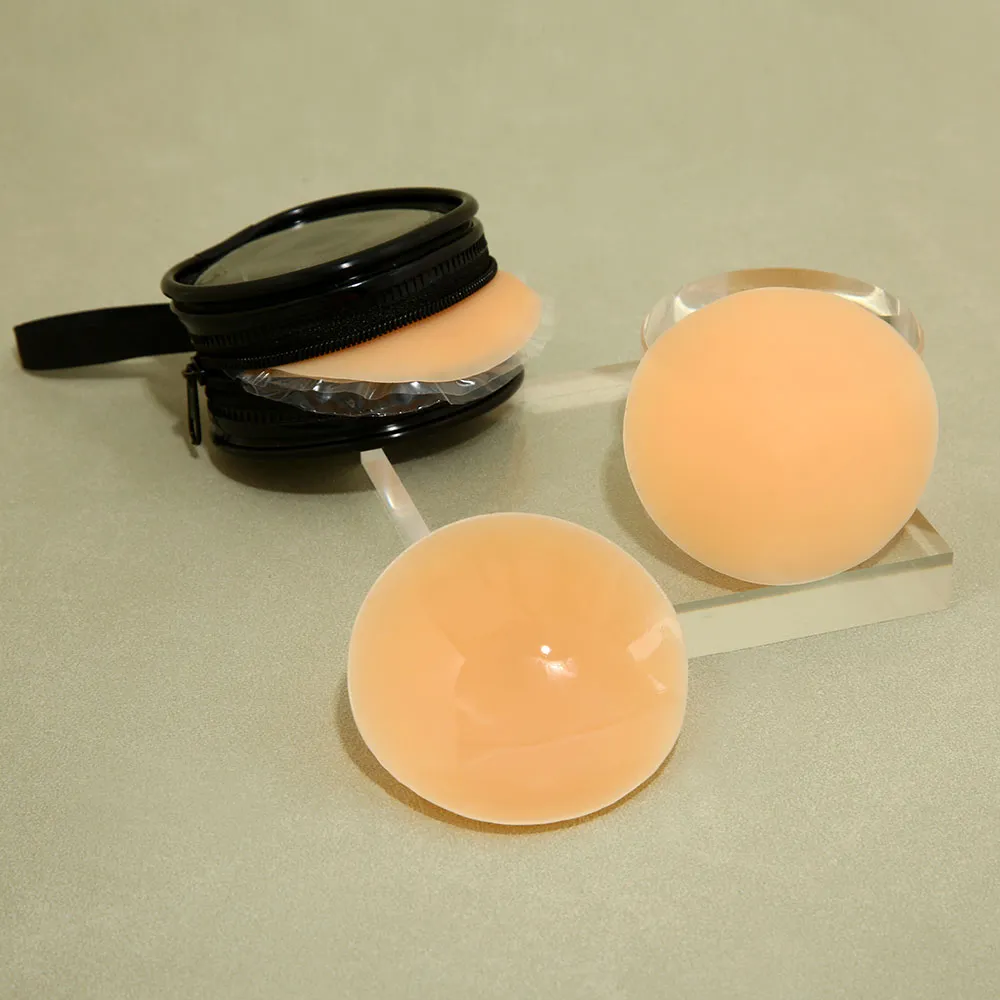
What’s the number one tip to keep nipple covers sticky for months?
The number one tip is this: always apply nipple covers on clean, dry, product‑free skin—no lotion, oil, perfume, or powder anywhere near your boobs.
Here’s the thing: adhesive hates skincare. It clings to oils, creams, SPF, body makeup, and even leftover body wash residue more than it clings to your skin, so every tiny bit of product you leave on your chest gets transferred into the adhesive layer and “clogs” it.
To give your copricapezzolo riutilizzabile a fighting chance, build this pre‑application habit:
- Wash your chest with a mild soap right before getting dressed.
- Rinse very thoroughly so no creamy residue stays on the skin.
- Pat dry completely—no dampness, no “a little bit dewy,” fully dry.
- Skip body lotions, shimmering oils, deodorant overspray, fragrance, and powders anywhere the cover might touch.
Simple? Not really. It means changing the order of your routine.
What works best for me is: shower → dry completely → apply nipple covers → then go in with body lotion on arms, legs, and everywhere else, carefully avoiding the boob zone.
If your skin tends to be sweaty or you’re going dancing, avoid heavy SPF or body makeup in that area and rely on your outfit + covers to do the work. The less “stuff” between adhesive and skin, the longer your covers stay sticky.
How should you clean nipple covers so the adhesive doesn’t die?
Clean nipple covers by hand with lukewarm water and a tiny bit of gentle soap, using just your fingers—no nails, no cloths, no alcohol, ever.
Most people either over‑clean (scrub like a dish) or under‑clean (barely rinse and toss), and both kill the adhesive early. The trick is to remove skin oils and lint without rough handling.
Here’s the routine that actually works long‑term:
- Use lukewarm water. Too hot can damage the silicone and weaken the glue.
- Use a mild, fragrance‑free soap. Think gentle face cleanser or plain hand soap, not harsh dish liquid.
- Massage with fingertips only. Light, circular motions on the sticky side to lift oils and boob-sweat from the surface.
- Rinse until squeaky. Keep rinsing until the surface feels clean and slippery, not greasy.
- Air dry with the adhesive facing up. No towel on the sticky part, ever.
When they’re fully dry, the adhesive usually “revives” and feels tacky again. If you rush the drying and put the plastic film on too early, you trap moisture inside and the surface goes gummy or weird.
For silicone breast covers, this gentle wash method is especially important because the heavier, fuller cups collect more sweat along the edges.
How do you store nipple covers so they stay sticky between wears?
Store nipple covers with their protective plastic film on, adhesive side covered, in a cool, dry place—never tossed loose in a drawer or bag.
Guess what? Your makeup bag, underwear drawer, and gym tote are basically lint factories. Fabric fibers, dust, pet hair, and odd crumbs all end up fused into that sticky layer, and every tiny piece stuck in the glue is one less spot that can grip your skin.
Smart storage habits that actually extend the life of your covers:
- Always reapply the original backing film. That smooth plastic sheet they came with is not optional; it protects the adhesive from dust and air.
- No loose storage. Don’t toss them naked into a drawer, handbag, or suitcase. Use the original tray or a small hard case.
- Avoid heat. Don’t leave them in a hot car, near a heater, or in direct sun on a windowsill—heat can “melt” and flatten the adhesive.
- Keep them flat. Don’t fold or squash them under other items, or the edges may warp and stop sticking.
If you’ve upgraded to specific styles like flexible silicone nipple covers O non‑slip silicone nipple covers, the storage rules are the same, but you’ll notice those designs tend to keep their shape better when laid flat rather than stacked.
Think of your nipple covers like contact lenses: once they’re dry and clean, they need a proper “case,” not the bottom of your gym bag next to a rogue hair tie and a half‑melted lip balm.
Does the type of nipple cover or bra actually affect how long it stays sticky?
Yes—material, thickness, and design all influence how long nipple covers stay sticky and how many times you can reuse them.
Not all nipple covers are built to last for months. Some are intentionally one‑time use, some are light fabric with soft adhesive, and some are thick silicone specifically marketed as reusable. If you treat a disposable patch like a premium reusable, you’ll be disappointed; if you abuse a good silicone pair, you’ll waste money.
Here’s a quick guide so you can set realistic expectations and pick the right style for your lifestyle:
| Type / Product style | Typical use pattern | Reusability potential | Il migliore per |
|---|---|---|---|
| Disposable nipple cover | One event, then toss | Low (1–2 wears max) | Travel, weddings, emergencies |
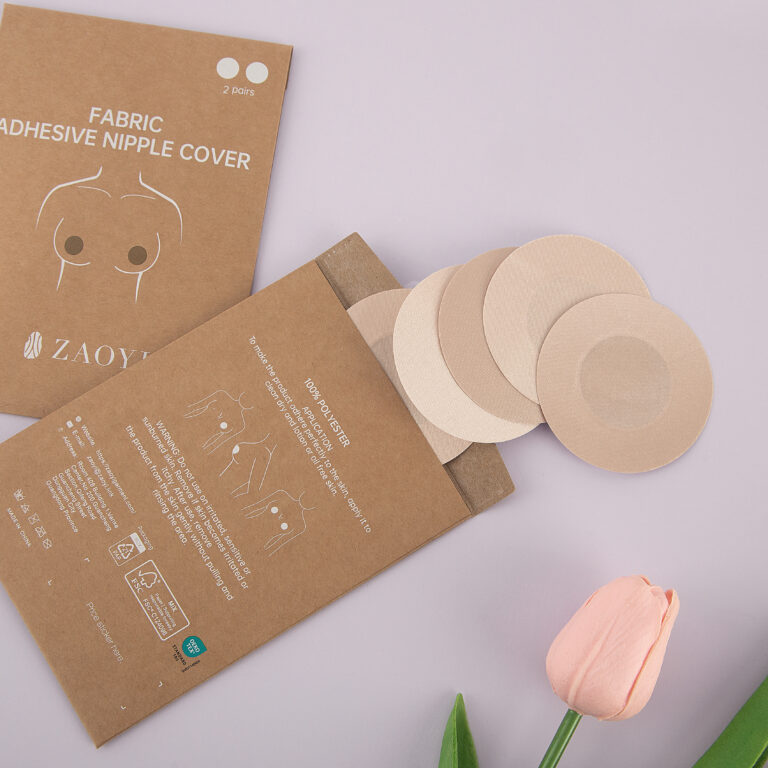
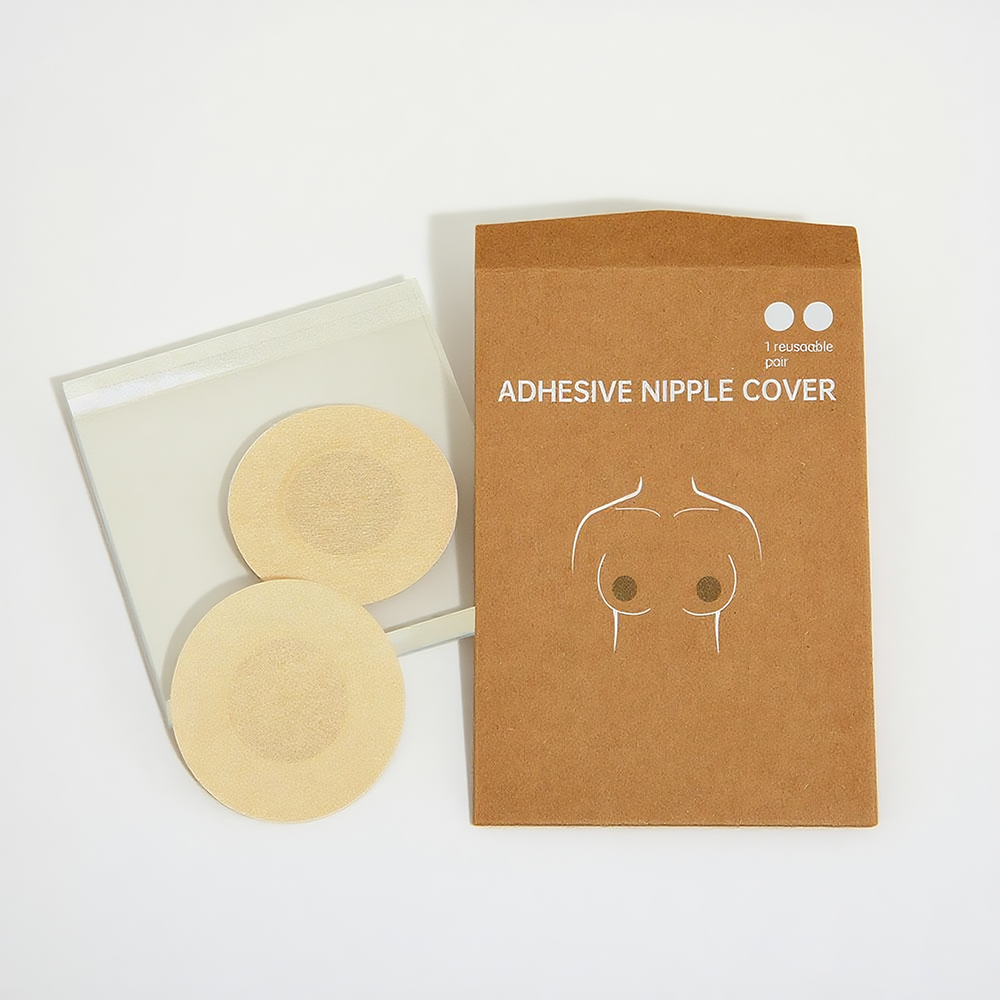
| Fabric nipple cover | Light, breathable | Moderate (a few wears) | Daily use under tees |
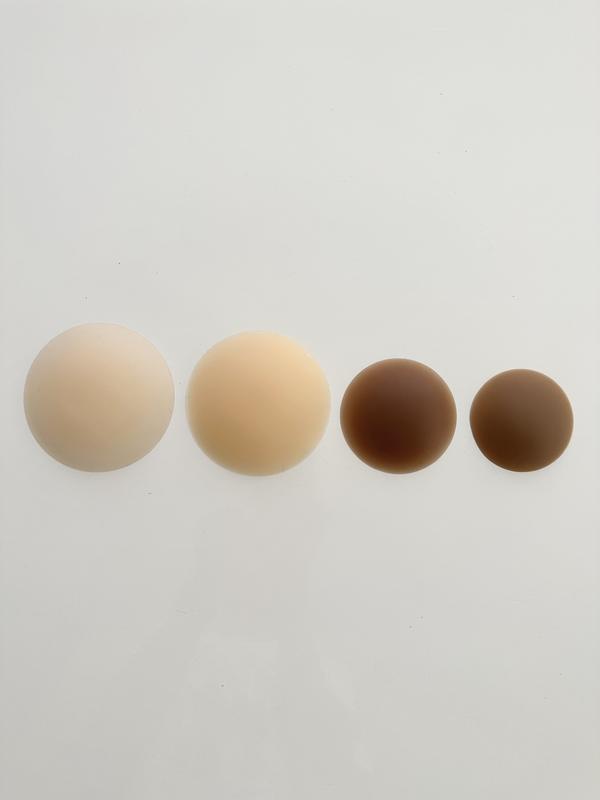
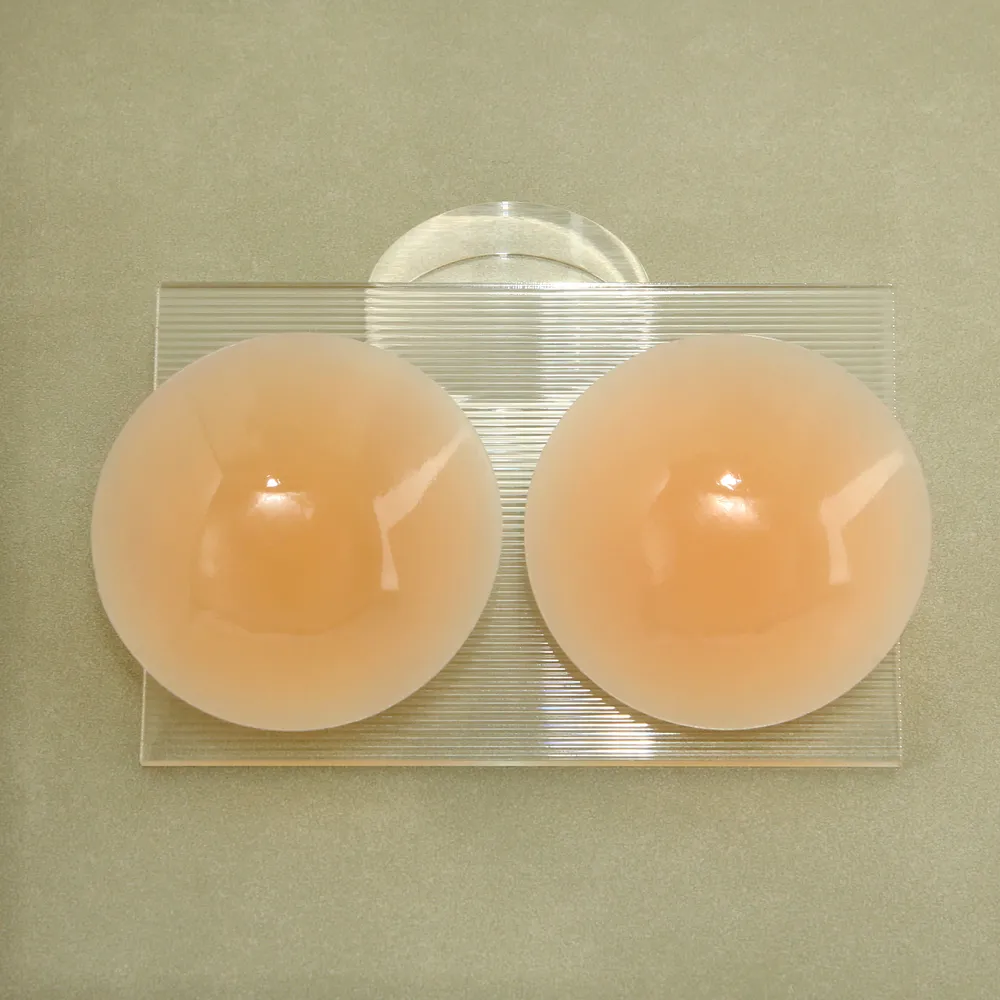
| Silicone nipple cover | Thick, smooth coverage | High (10–30 wears with care) | Everyday braless outfits |
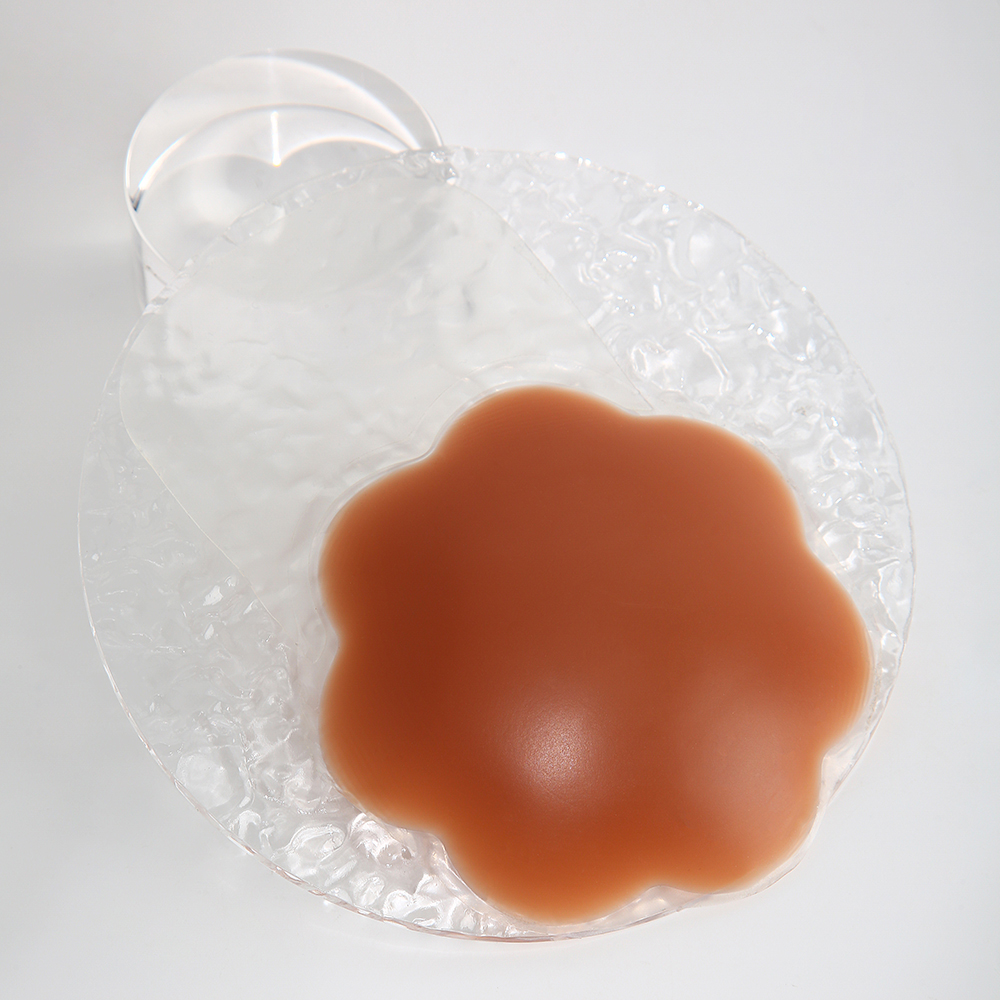
| Reusable silicone nipple pasties | Similar to silicone covers, often fun shapes | High with proper cleaning | Nights out, festival looks |
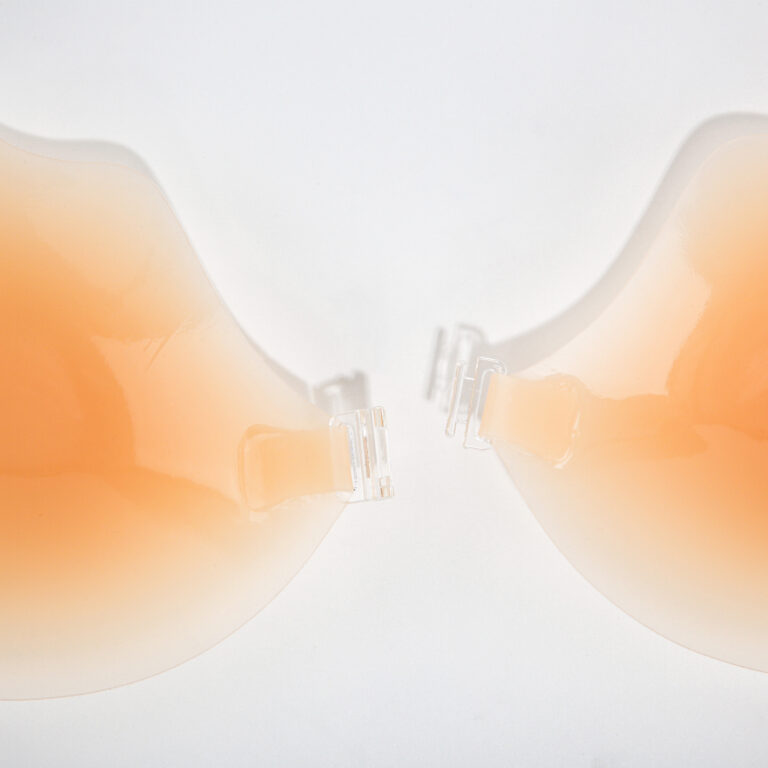
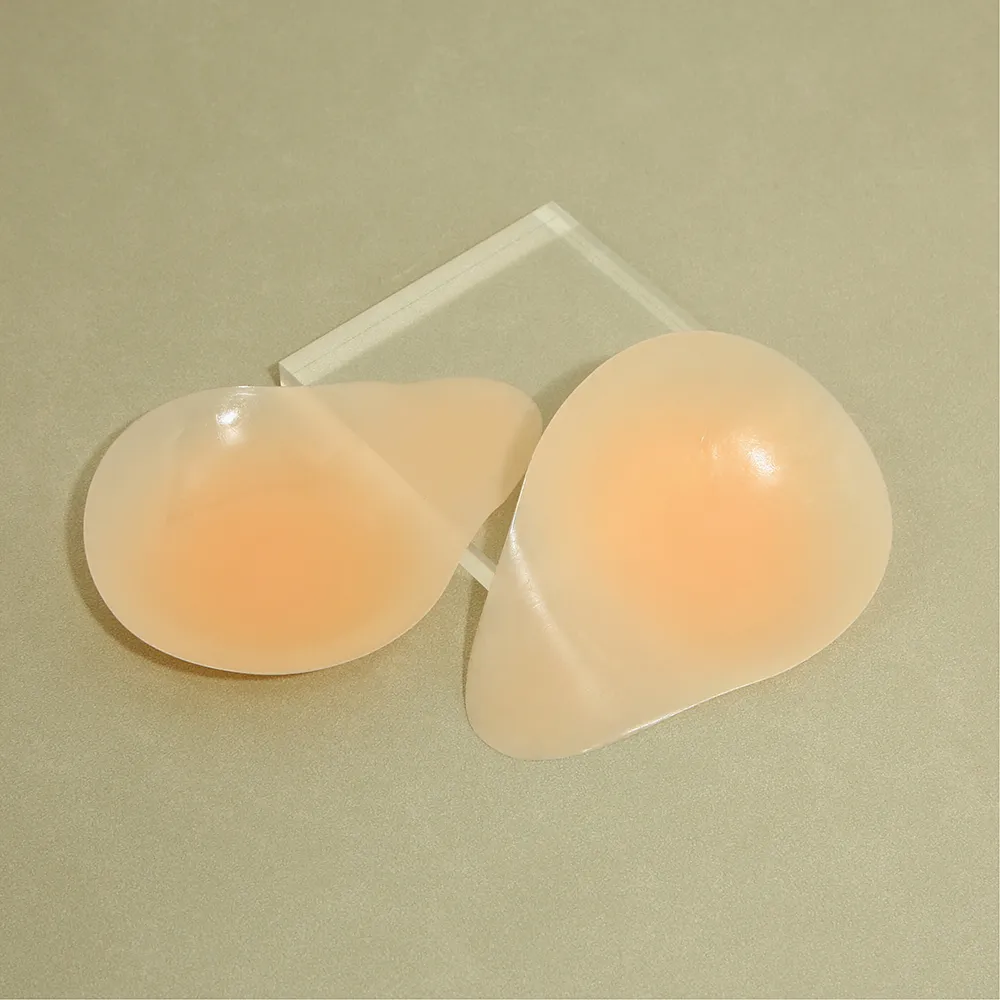
| Pasties bra / adhesive bra cups | Full cup shape that sticks to breasts | Medium–high depending on quality | Backless or strapless dresses |
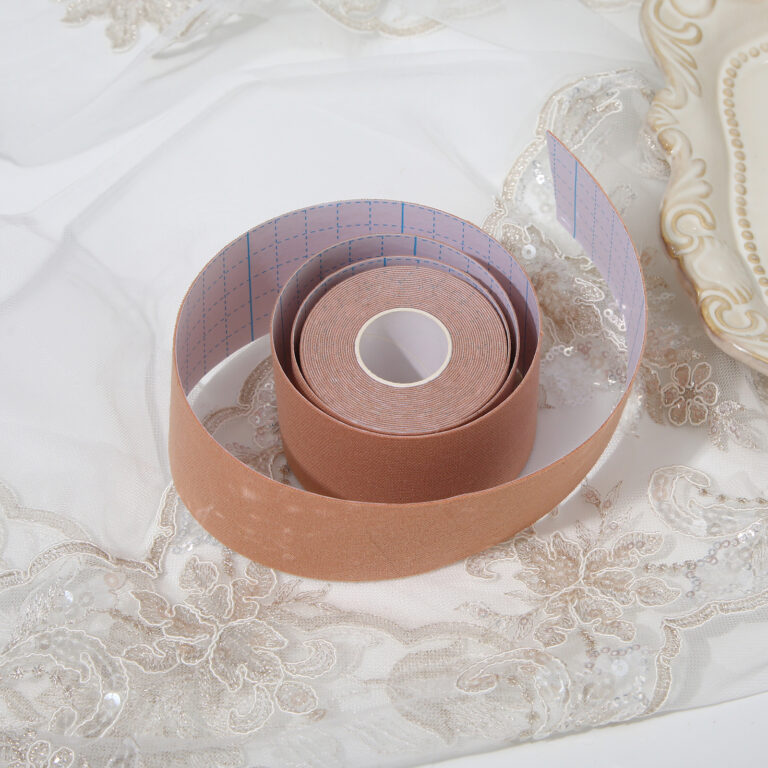
| Body tape / boob tape | Adhesive strips or tape rolls | Usually single-use per application | Lifts, shaping, deep plunge looks |
If your goal is maximum “stickiness per dollar,” reusable silicone styles like:
tend to perform best when you care for them properly.
Fabric or one-time use nipple covers are amazing for comfort and convenience but are not meant to stay sticky for months, no matter how careful you are.
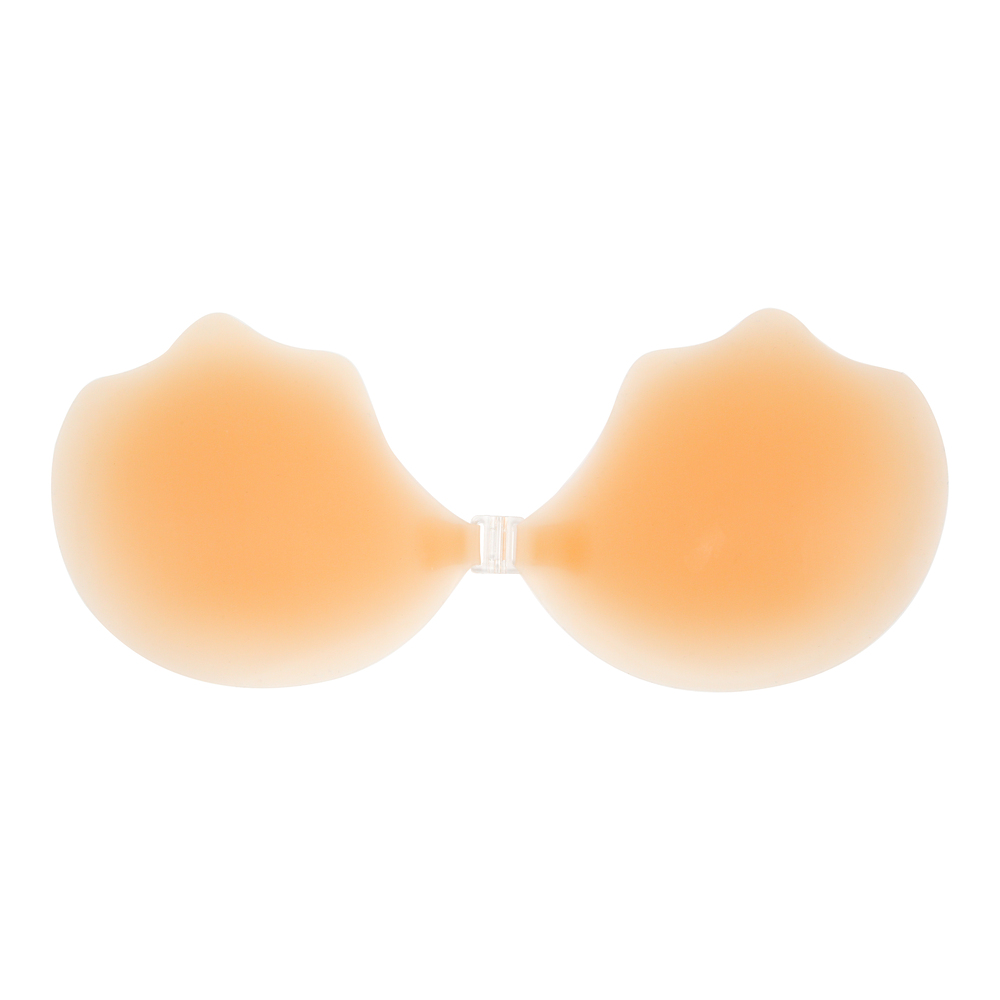
What are the top 5 practical tips to keep nipple covers sticky for months?
The top 5 tips are: clean skin, gentle washing, smart storage, choosing the right type, and avoiding hidden adhesive killers like sweat, friction, and products.
Here’s the “meat” of it, in everyday language.
1. Why does skin prep before applying nipple covers matter so much?
Because every layer of oil, lotion, or SPF between your skin and the adhesive shortens the life of your nipple covers.
Think of adhesive like a magnet. It can only “cling” to so many things. If it grabs lotion, it can’t fully grab your skin. Over time, it builds up a film of product and feels dull instead of tacky.
To prep like a pro:
- Wash the breast area with mild soap and water right before wearing.
- Don’t apply lotions, oils, balms, or body shimmers on or near your chest.
- Let skin cool off if you’ve just showered with hot water—slightly sweaty skin will break the bond early.
- Avoid perfume spray on your chest; alcohol and fragrance can mess with the adhesive.
If you want scent or skincare, apply it to your neck, shoulders, arms, and legs—just keep a “no-product” radius around where your nipple covers will sit.
2. How often should you wash reusable nipple covers?
Wash your reusable nipple covers after every wear, even if they “look” clean.
Sweat is sneaky. Even if you didn’t feel particularly hot, your body still produces oils and moisture all day, and those end up stuck in the adhesive. Washing after each wear prevents buildup, which is exactly what keeps them sticky for weeks instead of days.
Use this quick-repeat routine:
- As soon as you take them off, rinse them under lukewarm water.
- Add a tiny dab of gentle soap to your fingertips, not directly onto the cover.
- Massage the adhesive side with light, circular motions.
- Rinse thoroughly until no suds remain at all.
- Air dry sticky-side up on a clean surface.
It takes less than two minutes, but skipping it is the fastest way to retire a pair early.
3. What’s the right way to dry nipple covers without ruining the glue?
Let them air dry completely with the adhesive facing up, and keep anything (including towels) from touching the sticky side.
This sounds overly fussy, but microfiber towels and even cotton cloths leave tiny lint particles all over the adhesive. Once that happens, each wash removes a bit of lint E a bit of glue, and the covers lose their grip.
Drying tips that keep the glue happy:
- Place them on the plastic tray they came in, sticky side up, in an open area.
- Keep them away from open windows where dust or hair might land.
- Don’t try to speed-dry with a hairdryer; heat can damage the adhesive.
- Wait until they’re fully dry before putting the plastic backing back on.
If you’re in a rush, it’s better to leave them un‑covered for a bit longer than to trap moisture under the film. Damp adhesive can feel slippery or weirdly jelly-like the next time you wear them.
4. Can sweat, friction, and outfit choices ruin nipple covers faster?
Yes—heavy sweat, constant rubbing, and rough fabrics can shorten the life of your nipple covers and make them lose stick mid‑wear.
If you’ve ever worn covers to a summer outdoor wedding or a club where the AC “mysteriously doesn’t exist,” you know the horror of feeling one side start to peel. That’s usually a combo of sweat + friction from tight clothing.
Here’s how to work con (not against) your nipple covers:
- Avoid wearing them directly under super rough fabrics like sequins or stiff lace with no lining.
- For intense activity or dancing, consider pairing them with a nastro per il corpo O nastro per tette design meant to handle more sweat and movement.
- Choose styles like non-slip silicone nipple covers O flexible silicone nipple covers if you know you’ll be moving a lot—they’re designed to grip better and flex with your body.
- If you’ll sweat heavily, keep a backup (like a fabric nipple cover or disposable nipple patch) in your bag for emergencies.
The less your outfit rubs and drags across the covers, the longer both the adhesive and the edges will stay in good shape.
5. Is there anything you should absolutely never do to “revive” sticky nipple covers?
Avoid alcohol, makeup remover, harsh cleaners, and scrubbing tools—they strip or roughen the adhesive and usually destroy it permanently.
There’s a lot of sketchy advice out there: people wiping the sticky side with rubbing alcohol, micellar water, or even nail polish remover. That might temporarily remove oils, but it also eats into the adhesive layer itself, leaving you with a smooth but non-sticky silicone disc.
Hard no list:
- No alcohol wipes or hand sanitizer.
- No micellar water, makeup remover, or cleansing oils.
- No rough cloths, exfoliating gloves, or sponges.
- No putting them in washing machines or dishwashers (yes, people try this).
If a pair truly stops sticking even after proper washing and drying, it’s usually a sign the adhesive has reached the end of its natural life. At that point, upgrading to a fresh set—maybe a copricapezzoli in silicone riutilizzabili style if you got good mileage out of your last pair—is the better move.[ppl-ai-file-upload.s3.amazonaws]
When should you replace your nipple covers instead of fighting the adhesive?
Replace your nipple covers when they no longer feel tacky after proper cleaning and drying, when the edges won’t lay flat, or when the surface looks cloudy and full of lint.
Nothing lasts forever, even with perfect care. If you’ve been using the same pair for months and they refuse to come back to life, it’s not necessarily your fault—it’s just time.
Signs your nipple covers are ready for retirement:
- The adhesive feels smooth or slippery, not tacky.
- No amount of gentle washing restores the stick.
- The edges curl up or won’t adhere to your skin for more than an hour.
- The surface looks permanently cloudy with embedded lint or fibers.
At that point, consider what actually worked best for you and upgrade with that in mind:
- Love invisible coverage with no bra lines? Try a new pair of silicone nipple patches O copertura del seno in silicone for smooth shaping.
- Want more structure and lift? Explore reggiseno copricapezzoli O coppe adesive per reggiseno for backless outfits.
- Need something quick and fuss-free? Keep a pack of copricapezzolo monouso on hand for travel or last-minute events.
Treat the new pair with the five tips above from day one, and you’ll immediately notice you’re replacing them far less often.
The TL;DR – What are the key tips to keep nipple covers sticky?
Want the fast version? Here are the key points to screenshot and save.
- Always apply on clean, dry, completely product‑free skin.
- Wash reusable nipple covers after every wear with lukewarm water and gentle soap.
- Let them air dry sticky-side up and only cover them once fully dry.
- Store them with the original backing film in a cool, dry, flat place.
- Avoid lotions, body oils, perfume, heavy sweat, and rough fabrics that rub the adhesive.
- Never use alcohol, makeup remover, or harsh cleaners on the sticky side.
- Accept that disposable styles are short‑term; choose silicone or reusable covers if you want long‑term stickiness.
You really don’t need magic sprays or hacks to keep your nipple covers sticky—just a little routine and a lot less lotion on your boob area.
If you’ve got a horror story (like a cover slowly escaping your dress mid‑speech) or a tip that worked surprisingly well for you, drop it in the comments—someone else’s outfit might be saved because of you.