-
C/O 2221 Remington Ave, Ontario, Kalifornie

Nipple Covers for Men: Why and When to Wear Them.
Nipple Covers for Men: Why and When to Wear Them
A man wearing nipple covers? Some people still react as if he has announced a secret career in burlesque.
That reaction says more about fashion than it does about the product.
I’ve worked around nipple covers, silicone materials, adhesive products, and garment production long enough to know that the basic problem doesn’t care who you are. If a thin shirt shows more than you want, or a costume keeps rubbing, or cold air turns a relaxed outfit into an awkward one, nipple covers can solve the issue.
Simple? Not always.
The right product depends on the fabric, the activity, your skin, and whether you need coverage, friction protection, or just a cleaner look.
Obsah
What are nipple covers for men?
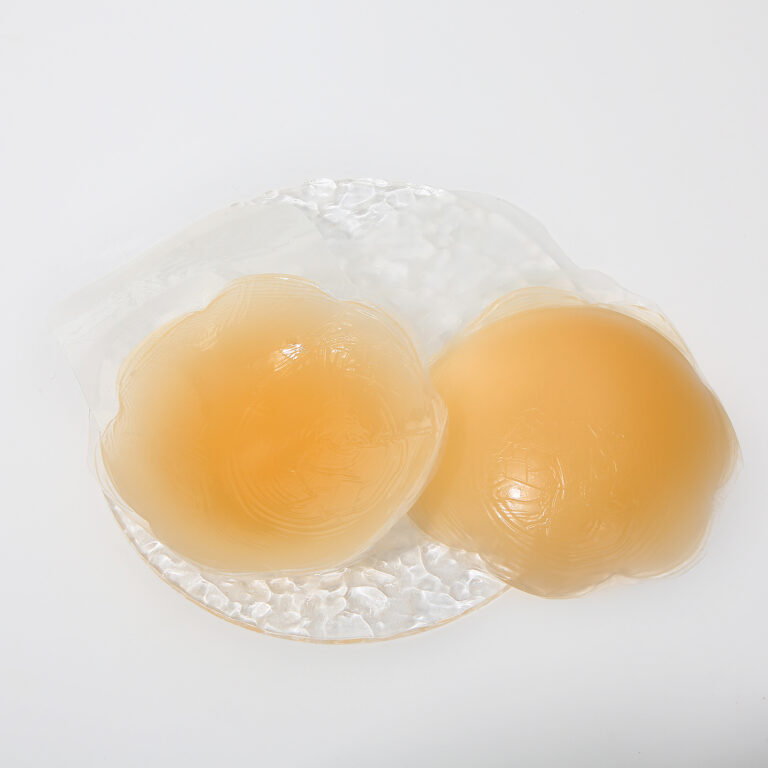
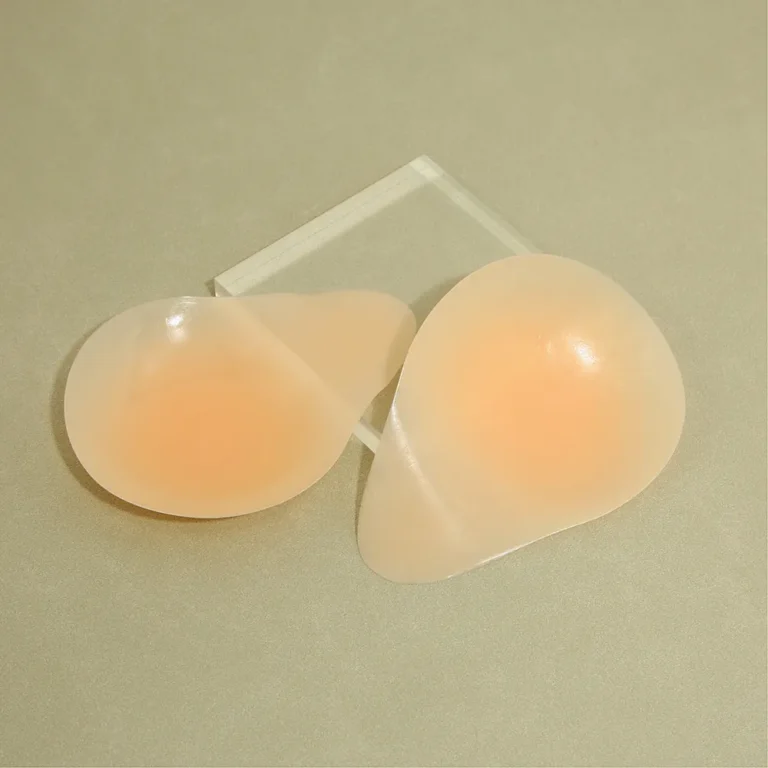
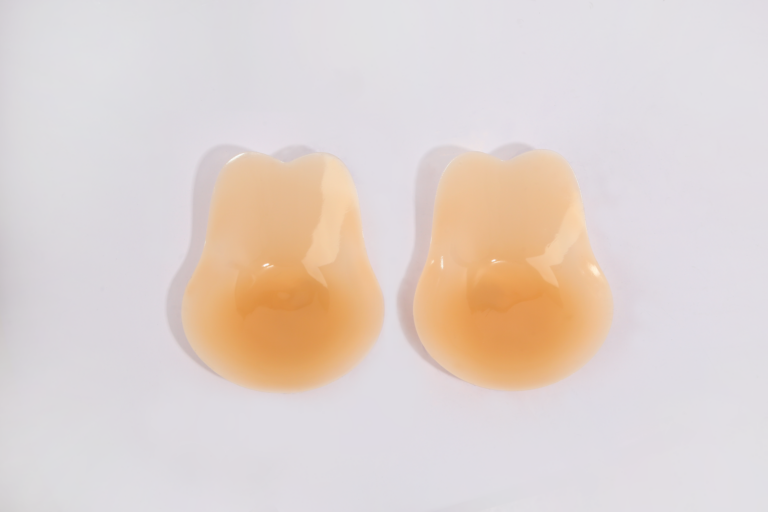
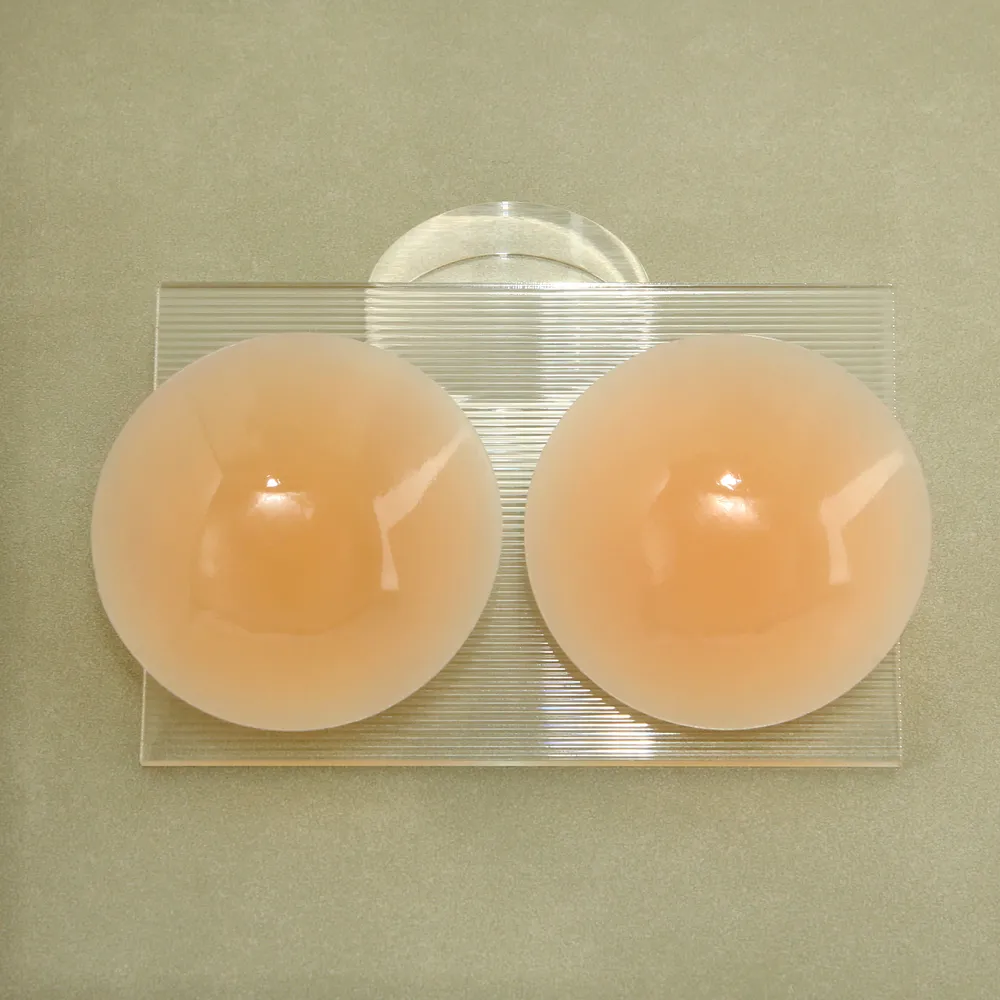
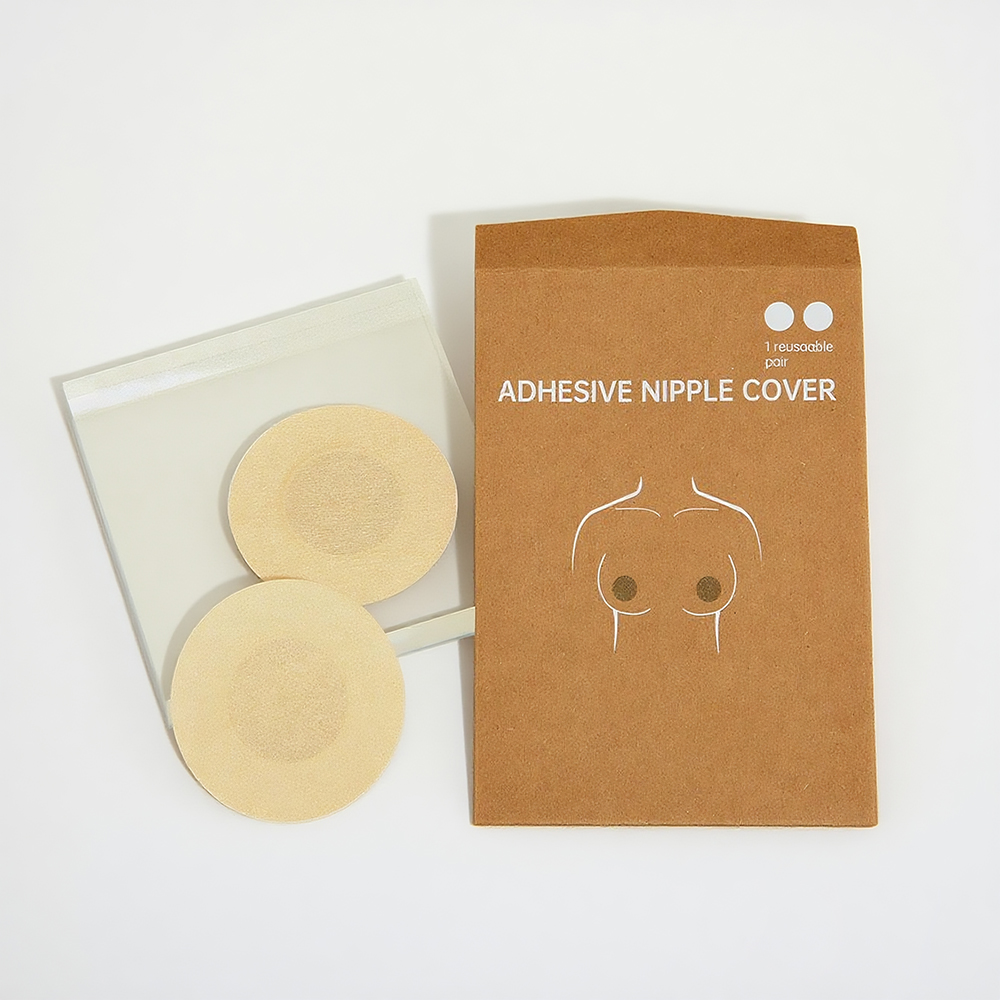
Nipple covers for men are small adhesive or non-adhesive patches that cover the nipple area under clothing. They can reduce show-through, limit friction, and help create a smoother appearance beneath thin, tight, or light-colored shirts.
Most products fall into a few groups:
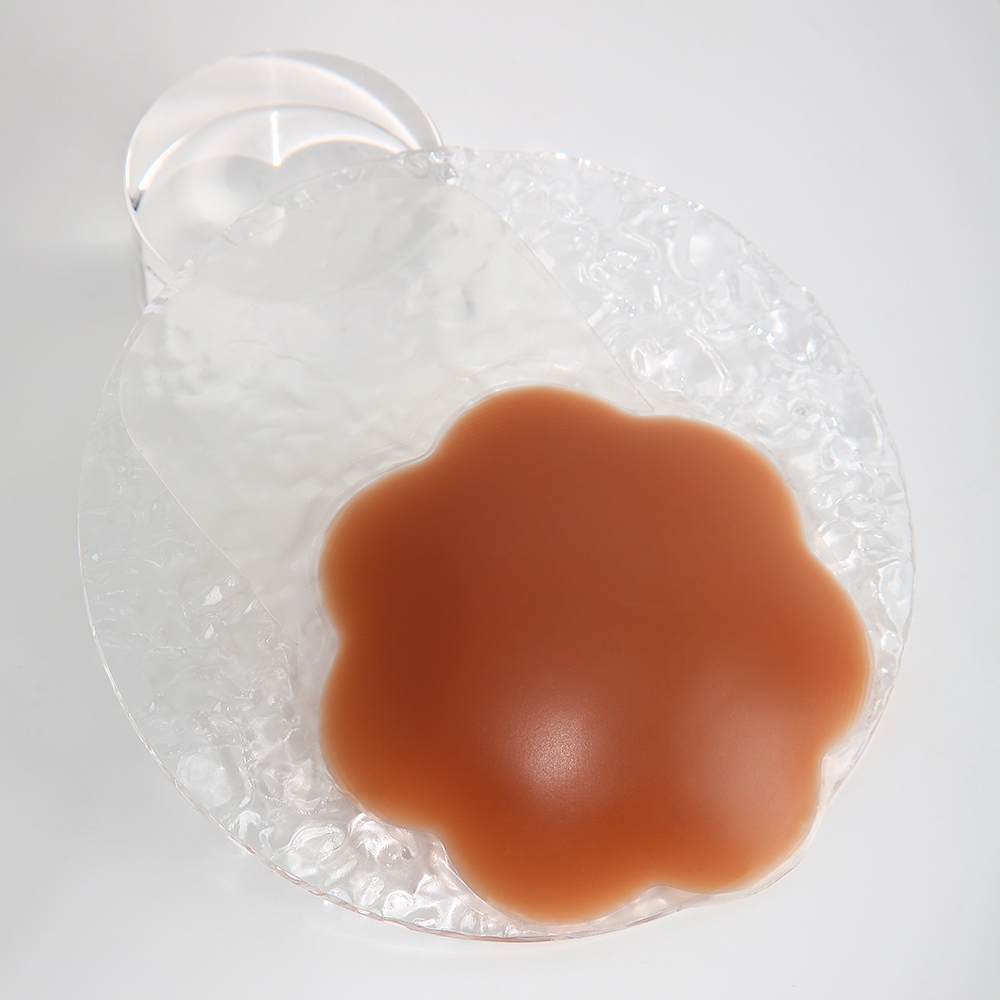
- Silicone nipple covers.
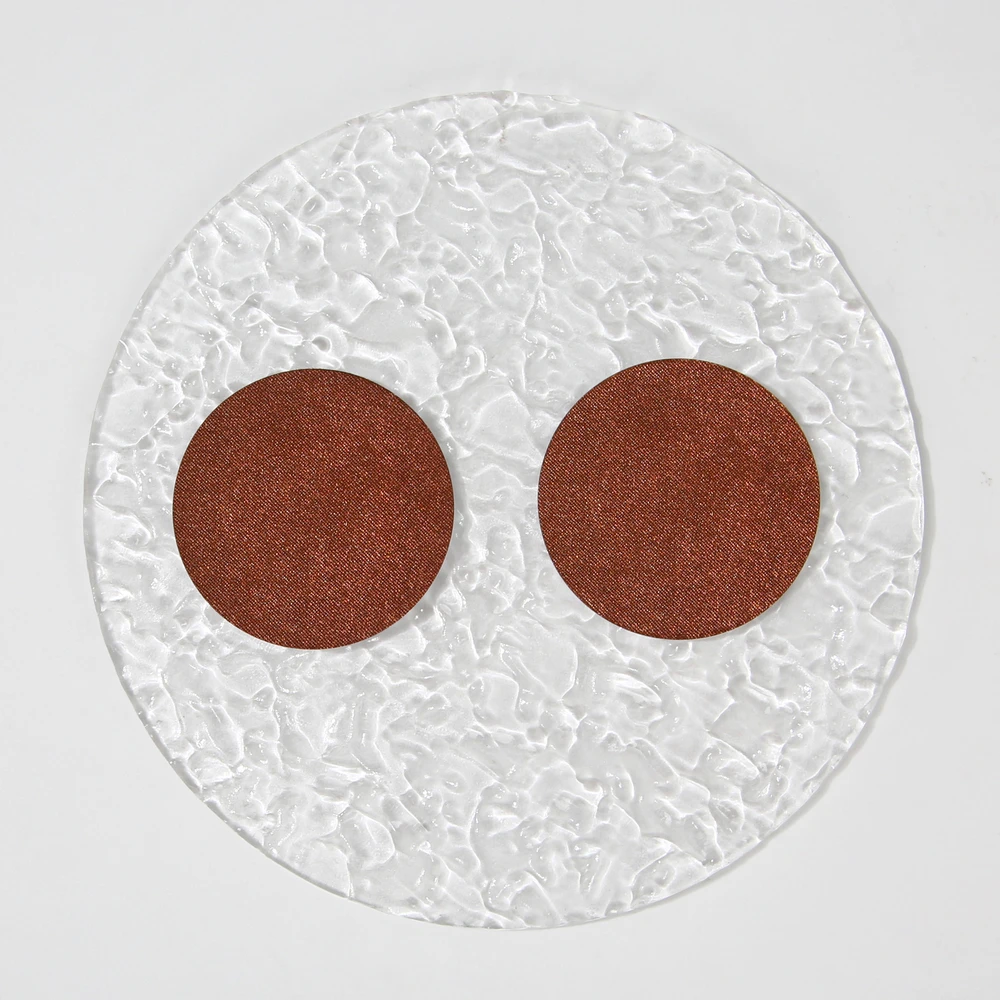
- Fabric nipple patches.
- Reusable nipple covers.
- Disposable nipple covers.
- Non-slip covers for sports or movement.
- Costume pasties designed for performance or styling.
The wording varies. One store calls them nipple patches. Another says nipple stickers, pasties, breast covers, or silicone nipple pads. In practical terms, they all address a similar clothing problem.
And no, you don’t need a special reason to wear them. Wanting a cleaner shirt line counts.
Why would a man wear nipple covers?
Men usually wear nipple covers to reduce visible nipple outlines, prevent rubbing, or feel more comfortable in certain clothing.
Here are the situations I see most often.
Do they help under thin shirts?
Yes, they can make a noticeable difference under thin clothing, especially white cotton T-shirts, lightweight athletic tops, knitwear, and slim-fit shirts.
A shirt can fit perfectly and still reveal every detail underneath it. That isn’t a moral crisis. It’s just fabric doing what fabric does.
Light colors create another problem. White, pale gray, beige, and pastel fabrics often reveal more than darker colors. A smooth, low-profile nipple cover can soften the outline without adding the bulk of a regular undershirt.
For everyday office wear, some men prefer fabric nipple patches because they feel lighter. Others prefer silicone because it follows the body better and works across more clothing styles.
Can nipple covers prevent chafing?
They may reduce nipple friction during exercise, but the result depends on adhesive strength, sweat, movement, and skin compatibility.
Running shirts, cycling jerseys, compression tops, and rough synthetic fabrics can rub against the nipple area repeatedly. After a long run, that small irritation can become surprisingly painful.
A cover creates a barrier between the skin and the fabric. It won’t magically solve every friction problem, though. If the product lifts at the edge, folds, or traps too much sweat, it may make things worse.
For sport, choose a cover that:
- Stays flat during movement.
- Uses an adhesive suitable for active wear.
- Has smooth, tapered edges.
- Fits beneath the shirt without creating a hard outline.
- Comes with clear removal and skin-care instructions.
Test it before race day. Please. A new adhesive product and a 20-kilometer run make a terrible first date.
Do performers and dancers use them?
Yes. Men in dance, theater, modeling, drag performance, stage shows, and costume work may use nipple covers for coverage, styling, or comfort.
Stage clothing often leaves little room for a conventional undershirt. Mesh tops, low-cut costumes, sheer fabrics, and fitted performance garments can expose or emphasize the nipple area under bright lights.
A cover can give the performer one less thing to worry about.
That matters backstage. Costumes already demand enough attention.
Can they help with formalwear?
They can, especially under lightweight dress shirts, fitted tuxedo shirts, knit polos, or shirts made from a pale fabric.
Some men wear nipple covers under a shirt instead of adding an undershirt. That option can feel cooler, especially in warm weather or under a tailored shirt where extra layers create visible lines.
But don’t expect nipple covers to replace an undershirt in every situation. They cover a small area. They won’t absorb sweat across your torso, add warmth, or smooth body hair.
Every product has a job. This one has a fairly specific job.
Are nipple covers only for women?
No. Nipple covers are not gender-specific; anyone can use them when the product suits their clothing, skin, and activity.
The idea that nipple covers belong only to women comes from the way retailers market fashion accessories. It doesn’t come from the physics of fabric or the biology of skin.
Men have nipples. Men wear thin shirts. Men exercise. Men perform on stage. Men deal with cold weather, friction, and awkward shirt transparency.
That’s the whole argument.
I’ve noticed that men often search for the product using different language. They may type:
- Men’s nipple covers.
- Nipple covers under T-shirts.
- Nipple stickers for men.
- Anti-chafing nipple patches.
- Silicone nipple covers for running.
- Invisible nipple covers for men.
- Nipple covers for white shirts.
The intent stays similar: less visibility, more comfort, and fewer distractions.
Which type should men choose?
Choose the product according to your main need: everyday coverage, exercise, costume use, or occasional wear.
| Your main need | A suitable option | Why it may work |
|---|---|---|
| Thin shirts and daily wear | Fabric or thin silicone covers | Low profile and discreet |
| Running or gym workouts | Sweat-resistant adhesive covers | Helps reduce friction during movement |
| Formal shirts | Smooth silicone or fabric patches | Can reduce show-through |
| Stage costumes | Silicone pasties or specialty patches | Designed for visual coverage and styling |
| Occasional events | Jednorázové krytky na bradavky | Convenient and easy to discard |
| Frequent use | Reusable silicone covers | Can be cleaned and used again |
Are silicone nipple covers good for men?
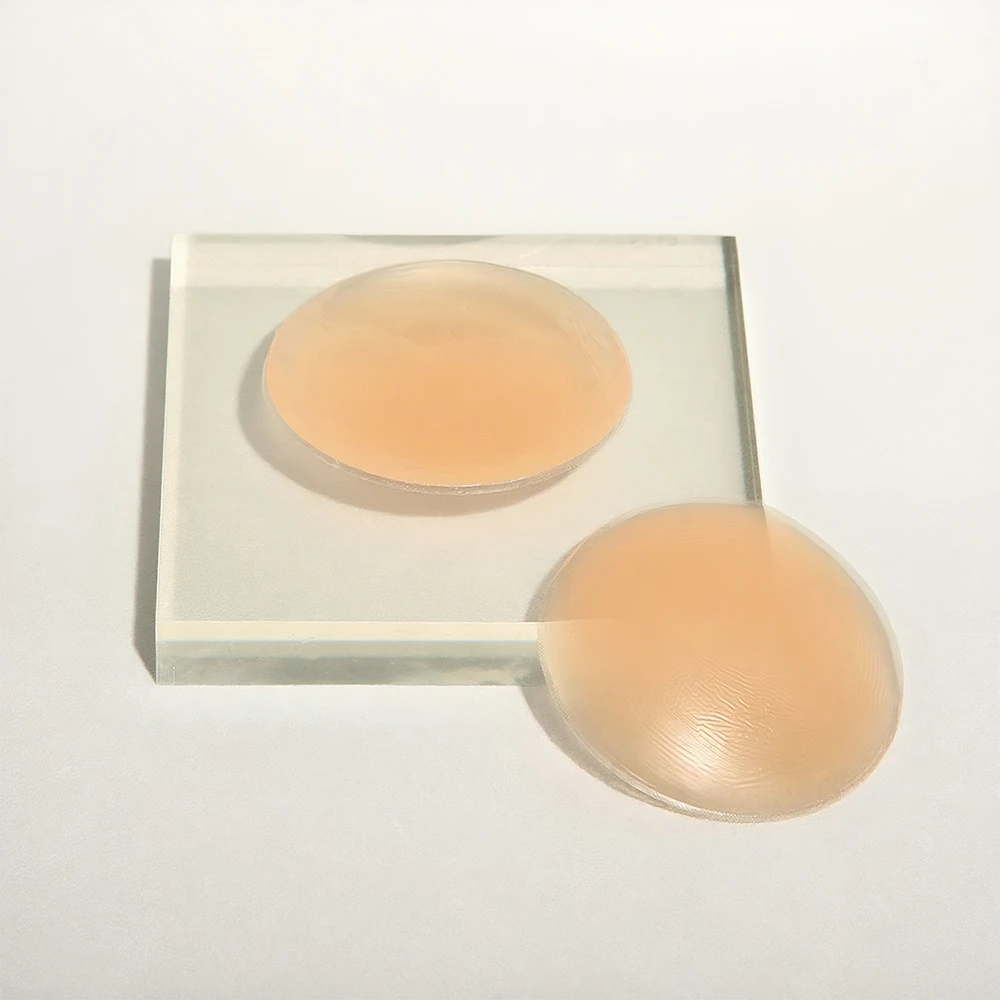
Silicone nipple covers can work well for men because they flex with the chest and provide a smooth surface beneath clothing.
Silicone usually feels closer to skin than stiff plastic or thick foam. A well-made cover should bend instead of fighting the body when you move.
The design matters more than the word “silicone,” though. Two products can both claim silicone construction and feel completely different.
Look at:
- Softness.
- Thickness.
- Edge taper.
- Surface finish.
- Adhesive quality.
- Shape and diameter.
- Ease of cleaning.
A thick, sharply edged patch may show through a close-fitting shirt. A thin cover with a gradual edge usually creates a cleaner transition.
If you’re comparing materials, you can read about a silikonový kryt na bradavky before choosing a product.
Are fabric nipple patches more comfortable?
Fabric nipple patches may feel lighter and less noticeable, especially under casual shirts or during short periods of wear.
Fabric can suit men who dislike the warm or slightly tacky feel of silicone. It may also work well for one-time use, travel, or a quick change before an event.
The trade-off? Fabric covers may not follow the body as smoothly, and their performance can change with sweat or friction. They also vary widely in thickness and adhesive.
A good fabric patch should feel soft rather than papery. That sounds obvious, but some products feel like a small piece of office stationery with glue on it.
Not ideal.
Should men wear reusable or disposable nipple covers?
Reusable nipple covers make sense for regular use, while disposable covers suit travel, one-time events, and situations where cleaning is inconvenient.
A reusable product costs more at the beginning, but frequent users may prefer it over buying new patches every time. After removal, reusable silicone covers usually need gentle washing and complete drying before storage.
A disposable product offers convenience. Open the package, wear it, remove it, and throw it away. That works well for:
- Weddings.
- Photoshoots.
- Business travel.
- Theater performances.
- Emergency clothing fixes.
- A single outfit or event.
For regular T-shirt wear or gym sessions, many men prefer a opakovaně použitelný kryt na bradavky because it creates less ongoing packaging waste and keeps a spare option ready in the drawer.
Just don’t assume “reusable” means unlimited. Adhesive strength can decline with skin oils, dust, washing methods, and repeated use.
How should men apply nipple covers?
Apply nipple covers to clean, dry skin without lotion, body oil, sweat, or hair interfering with the adhesive.
Follow these steps:
- Wash the skin with a mild cleanser.
- Dry the area completely.
- Avoid applying moisturizer, sunscreen, body oil, or fragrance where the adhesive will sit.
- Peel away the protective film.
- Position the cover over the nipple.
- Press from the center toward the edges.
- Hold it in place for a few seconds.
- Put on the shirt and check the outline in natural light.
That last step matters. Bathroom lighting lies.
Stand near a window. Move your arms. Sit down. Bend forward. Look from the side. A cover that looks invisible while standing still may show a ridge when the fabric stretches.
What if you have chest hair?
Chest hair can affect adhesion, but the answer isn’t automatically “shave everything.”
For light hair, a good adhesive may still hold. For dense hair, removal can become uncomfortable, and pulling the cover off may tug the hair.
If you have significant chest hair:
- Test a small area first.
- Don’t press the cover onto irritated or freshly shaved skin.
- Consider a fabric layer or non-adhesive option.
- Remove slowly in the direction that causes the least pulling.
- Stop if you feel sharp pain or skin burning.
Some men use nipple covers mainly under compression clothing. In that case, a non-adhesive cover may work if the garment holds it firmly.
How do you remove them without irritating skin?
Remove nipple covers slowly, never yank them away from the skin.
Start at one edge. Loosen the adhesive gradually. If the patch feels stubborn, pause instead of forcing it.
You can try:
- Warm water after a shower.
- A small amount of skin-safe adhesive remover.
- Gentle oil around the outer edge, if the product instructions allow it.
- Slow peeling while supporting the surrounding skin.
Don’t use harsh solvents, strong alcohol, or random household cleaners on your skin. That’s how a small clothing accessory becomes a dermatology problem.
If redness, swelling, itching, blistering, or persistent pain appears, stop using the product. People react differently to adhesives, silicone additives, dyes, and cleaning agents.
Mild skin care matters after removal. Dermatology guidance generally favors gentle cleansing, avoiding harsh soaps, and treating the skin carefully rather than scrubbing aggressively.
Can men wear nipple covers during exercise?
Men can wear nipple covers during exercise, but they should test the product under real movement and sweat before relying on it.
Running creates repeated friction. Weight training creates stretching and pressure. Cycling adds long periods of movement under close-fitting fabric. Team sports add sudden changes in direction.
That combination can challenge any adhesive.
For workouts, check:
- Whether the cover remains flat after sweating.
- Whether the edges curl.
- Whether the adhesive stings.
- Whether the shirt presses the cover into the skin.
- Whether removal causes redness.
- Whether the product label allows active wear.
A nipple cover that works beautifully under a cotton shirt may fail under a soaked compression top. Different fabric. Different heat. Different pressure.
For long workouts, carry a backup. It weighs almost nothing, and it can save the rest of your day.
When should men avoid nipple covers?
Avoid nipple covers on damaged, irritated, sunburned, freshly shaved, or infected skin.
You should also be careful if you have:
- A known adhesive allergy.
- Eczema or dermatitis in the application area.
- A recent chest procedure.
- Open cuts or abrasions.
- Unexplained pain, discharge, or skin changes.
- Strong sensitivity to silicone, latex, fragrance, or dyes.
A nipple cover can hide a visual sign that deserves attention. It doesn’t treat a rash, lump, wound, or infection.
If you notice a persistent change in the nipple or surrounding skin, speak with a qualified healthcare professional. Fashion products have limits. They’re not medical devices just because they touch the skin.
Do nipple covers work under body hair?
They may work under body hair, but hair can reduce adhesion and make removal more uncomfortable.
This is one of those details product pages often skip. Real people don’t always have perfectly smooth skin.
A cover needs enough contact with the skin to hold. Dense hair interrupts that contact. Sweat and natural oils add another challenge.
If you plan to use nipple covers under body hair, try the product at home first. Wear it for a short period. Walk around. Check the edges. Then remove it slowly.
For very hairy chests, a compression shirt or snug undershirt may offer a better non-adhesive solution. It won’t give the same invisible effect, but it may prove more comfortable.
There’s no prize for choosing the most complicated option.
How can men make nipple covers less visible?
The best way to make nipple covers discreet is to match the cover’s thickness, color, edge shape, and placement to the shirt.
Here’s what usually helps:
- Choose a thin, tapered edge.
- Match the cover color to your skin tone or the garment.
- Avoid a cover that extends far beyond the nipple area.
- Use a smooth shirt fabric over it.
- Check the fit before leaving home.
- Avoid placing the patch too high or too low.
- Replace a cover when the adhesive becomes uneven.
For white shirts, the color question gets tricky. A bright white cover may reflect light and show through. A skin-tone cover can work better, but the best option depends on your complexion and the shirt’s thickness.
I’d test two colors under the actual shirt. Product photos don’t tell the whole story.
How should reusable covers be cleaned?
Clean reusable nipple covers with mild soap and water, then let them dry fully before applying the protective film and storing them.
Use a simple routine:
- Wash the adhesive side gently.
- Rinse away soap residue.
- Shake off excess water.
- Let the cover air-dry naturally.
- Replace the protective film.
- Store it in a clean case or package.
Avoid rubbing the adhesive surface with a rough towel. Avoid strong detergents. Avoid powders, lotions, and fabric softeners.
Dust is the enemy. Once lint and fibers stick to the adhesive, performance drops quickly.
A clean storage case helps, especially if you keep the covers in a gym bag. Gym bags contain many things. Clean storage isn’t one of them unless you create it on purpose.
Are nipple covers worth it for men?
They’re worth considering if you regularly deal with visible outlines, nipple friction, or clothing that doesn’t work well with an undershirt.
They’re less useful if:
- You already wear a comfortable undershirt.
- Your clothing is thick enough to hide outlines.
- Adhesives irritate your skin.
- You need full torso sweat control.
- You expect the product to lift or reshape the chest.
Nipple covers offer targeted coverage. That’s both their strength and their limit.
If you want a broader styling solution, look at an neviditelná podprsenka or a lightweight undershirt. If you want to secure fabric as well as cover the nipple area, páska na tělo may suit the job better.
Different problem. Different tool.
What should men check before buying?
Look for honest product information about material, adhesive, size, cleaning, skin compatibility, and intended use.
A reliable product page should answer:
- What material does the cover use?
- Is it reusable or disposable?
- Does it contain latex?
- What size is each cover?
- Can customers use it during exercise?
- How should they clean it?
- How should they remove it?
- Does the product suit sensitive skin?
- Does the manufacturer provide testing or compliance documents?
- How many covers come in one package?
Be wary of vague claims such as “100% safe for everyone” or “guaranteed all-day hold.” Skin and body shapes vary. No adhesive performs identically for every person in every climate.
For B2B buyers, add more questions:
- What adhesive system does the factory use?
- Can the supplier provide material declarations?
- What testing supports skin-contact claims?
- Can the factory offer multiple skin tones?
- Are custom shapes and packaging available?
- How does the supplier control edge thickness?
- What is the minimum order quantity?
- How does the supplier inspect adhesion and appearance?
A cheap sample can look fine for five minutes. Production quality shows up later.
The End
- Men can wear nipple covers to reduce show-through, limit nipple friction, or feel more comfortable in thin, fitted, or athletic clothing.
- Silicone nipple covers offer flexible coverage and can work well under shirts, costumes, and performance garments.
- Fabric nipple patches may feel lighter and suit short-term daily use.
- Reusable nipple covers need gentle cleaning, full drying, and clean storage.
- Disposable covers work well for travel, events, photoshoots, and one-time outfits.
- Exercise can challenge adhesive products, so test them during short workouts before using them for long sessions.
- Chest hair, sweat, skin oils, and body lotions can reduce adhesion.
- Never apply a nipple cover to broken, irritated, sunburned, or infected skin.
- Remove covers slowly and stop using them if you develop burning, swelling, blistering, or persistent irritation.
- Nipple covers don’t replace an undershirt, sweat-control garment, or medical care.
So, should you try them?
If you’ve ever changed a shirt because the fabric showed more than you wanted, you already understand the appeal.
Nipple covers aren’t a “women’s product.” They’re a small clothing accessory for anyone who wants more control over how a garment looks or feels. Some men will use them for a white dress shirt. Others will wear them on a long run. A dancer may use them under a costume. Someone else may keep a pair in a suitcase and forget about them until a thin hotel-room T-shirt causes trouble.
That’s usually how useful products work. They don’t need a dramatic backstory.
They just solve the annoying little problem standing between you and the outfit you wanted to wear.
Have you tried nipple covers under a T-shirt, during exercise, or on stage? I’d like to hear what worked—and what failed miserably.