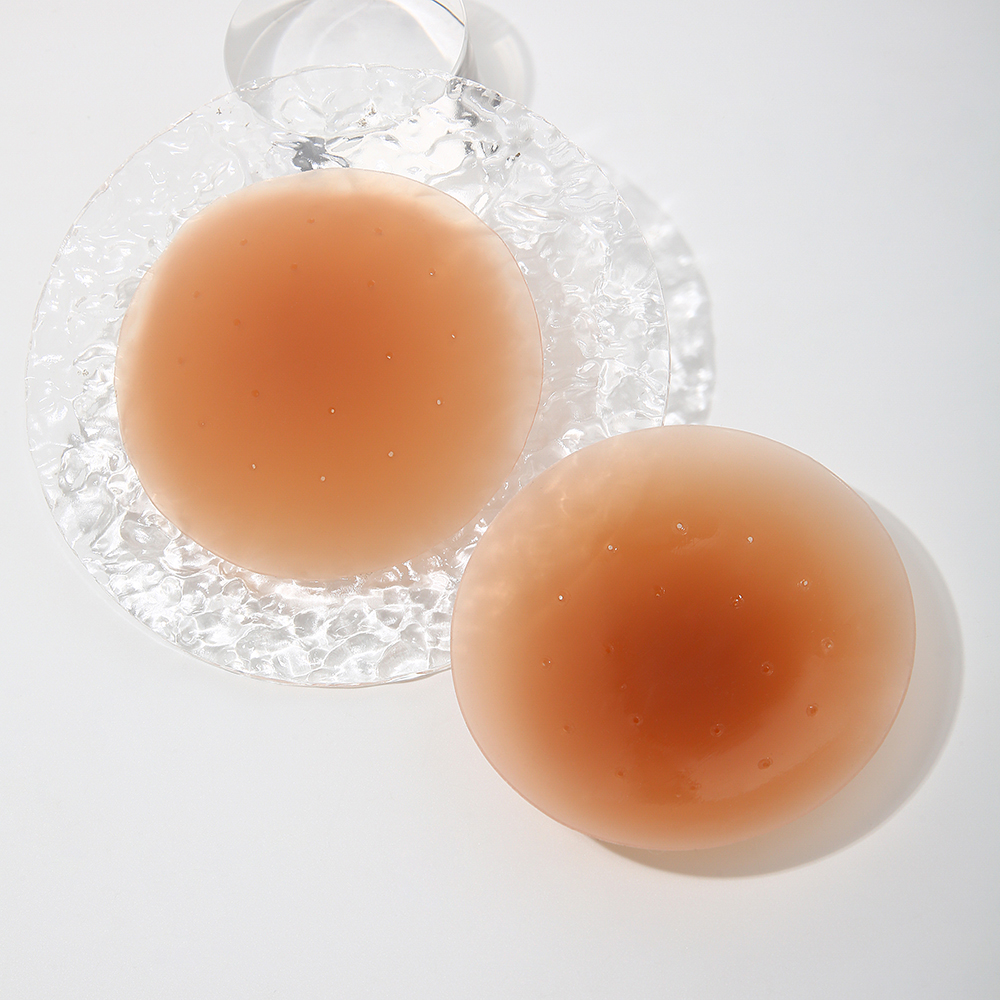
Why Air-Drying is the Only Way to Clean Your Pasties.
Let me say the quiet part out loud: if you’re still patting your pasties dry with a towel, you’re basically sanding the life out of them. Air-drying isn’t just “nice to have” care—it’s the only method that doesn’t quietly murder the adhesive over time.
We’re talking reusable silicone nipple covers, medical‑grade adhesive, dust, lint, bacteria, and why the way you dry them decides whether they last 3 wears or 30.
Inhaltsverzeichnis
Why is air-drying the only safe way to dry pasties?
Because any rubbing, wiping, or blasting with heat damages the adhesive, while air-drying leaves the sticky layer intact and clean.
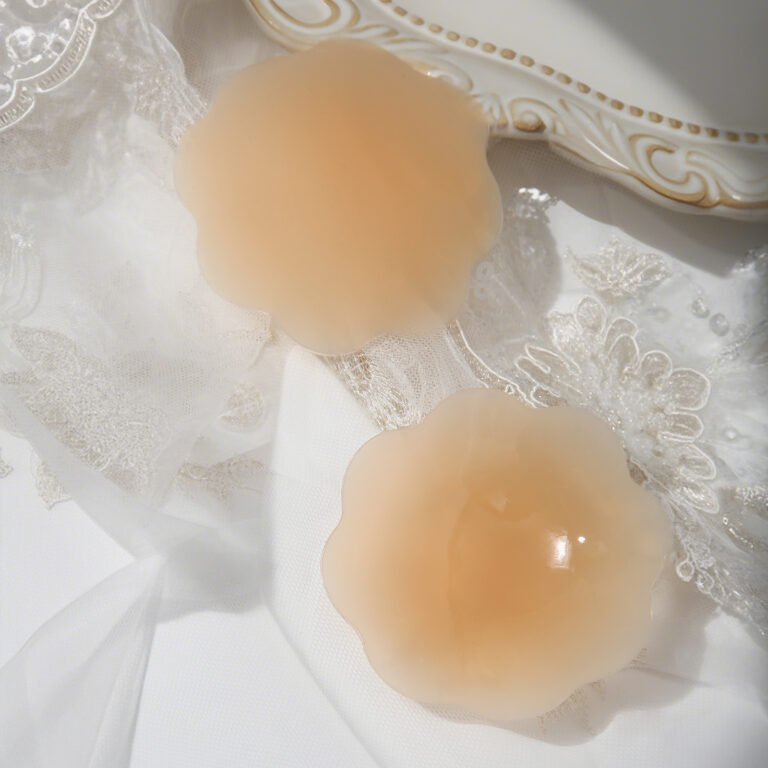
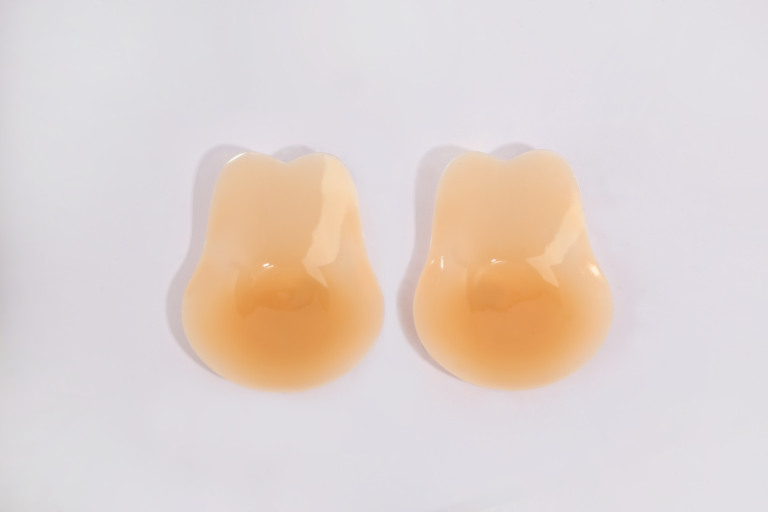
Here’s the thing: reusable nipple covers aren’t just “stickers.” They’re a combo of silicone (or fabric) plus a thin adhesive coating that’s designed to grip skin, not towel fibers or hairdryer heat. When you rub them with a towel, three bad things happen at once:
- Fibers from towels or tissues bond to the adhesive and don’t want to let go.
- Friction scrapes and scuffs the tacky surface so it feels dull instead of “grabby.”
- If you add heat (hairdryer, radiator, sunlight), you’re literally weakening or deforming the glue.
Brand guides repeat the same basic rule in different words: wash gently with mild soap and lukewarm water, then leave nipple covers to air‑dry completely before storing or wearing them again. Some will let you gently pat the non‑adhesive side, but nobody recommends touching the sticky side with fabric.
So no, you’re not “being extra” if you baby them. You’re just choosing longer‑lasting pasties instead of throwing money into the lint trap.

What actually happens if you towel-dry your pasties?
Towel‑drying coats the adhesive in lint, roughs up the surface, and shortens the life of your nipple covers.
Let’s be honest: most of us learned the hard way. You wash your silicone nipple covers, grab the nearest towel, give them a quick rub, and suddenly they feel… fuzzy. Not in a cozy way.
Here’s what’s going on behind that “ugh, why don’t these stick anymore?” moment:
- Lint embedment: Towels and tissues shed tiny fibers that cling to adhesive like Velcro. Once they’re in there, you can’t fully wash them out.
- Mechanical damage: Rubbing introduces friction that scrapes the adhesive layer, especially on medical‑grade silicone adhesives designed to be soft.
- Contaminant transfer: Towels can carry skin oils, detergents, and even microbes that end up ground into the adhesive surface.
Many care guides specifically warn: never rub the sticky side with a towel, tissue, or paper; it’ll just load it with fibers and ruin the grip. That’s exactly why brands lean so hard on “air-dry only” language.
So if your pasties “died” after just a few nights out, there’s a good chance it wasn’t the silicone or the brand. It was that well‑meaning towel.
Does heat-drying or blow-drying pasties really ruin them?
Yes—hot air and heaters can weaken adhesive, warp silicone, and shorten the usable life of nipple covers.
I get the temptation. You wash them at midnight, you want them ready for tomorrow, and the hairdryer is right there. Fast, convenient… and absolutely terrible for the glue.
Care guides across multiple brands repeat the same warning:
- “Do not use a towel or a blow‑dryer as it can interfere with the adhesive.”
- “Do not use hair dryers, because the heat may weaken the adhesive. The safest option is air drying.”
- “Avoid hairdryers, radiators, or high heat sources; they can damage silicone or glue.”
Silicone itself can handle moderate warmth, but the adhesive layer is the weak link. When you blast it with a hairdryer or sit it on a radiator, you’re stressing that thin glue film:
- Heat softens or destabilizes the adhesive, so it doesn’t “reset” properly as it dries.
- Repeated heat cycles accelerate aging, so they stop feeling tacky long before the silicone body wears out.
So if you’ve ever wondered why a pair of silicone nipple covers looks fine but just won’t cling like they used to, check your drying habits. Heat almost always leaves its fingerprints.
How does air-drying protect the adhesive (and your skin)?
Air-drying removes moisture without friction, lint, or heat, which preserves stickiness and reduces the risk of skin irritation.
Air‑drying sounds boring, but chemically it’s the only drying method that isn’t working against the adhesive.
When you lay nipple covers flat, sticky side up, and let them sit in a clean, ventilated area:
- No friction: Nothing is scraping the surface, so the adhesive layer stays smooth and intact.
- No fibers: There’s no towel in contact with the glue, so you avoid lint contamination.
- Gentle evaporation: Water leaves slowly without boiling the adhesive or deforming the silicone.
There’s also a hygiene angle people forget: trapped moisture and warm, damp environments are perfect for microbes. If your covers are slightly damp when you slap them back onto the protective film or onto your skin, you’re asking for:
- Reduced adhesion (water blocks the glue from bonding).
- Potential irritation or breakouts under the pastie because skin and adhesive never really dry.
That’s why guides stress letting nipple covers air‑dry completely—we’re talking several hours in some cases, not “eh, looks fine after 15 minutes.”
What’s the correct way to wash and air-dry reusable nipple covers?
Wash gently with lukewarm water and mild soap, then air-dry adhesive side up on a clean, flat surface until fully dry before storing.
If you want a simple routine you can actually stick to, here’s the no‑nonsense version most brands agree on:
- Peel gently after use
- Remove the pasties slowly, pulling from the edge instead of yanking from the center.
- This protects the silicone and adhesive from stretching or tearing.
- Rinse with lukewarm water
- Hold them under a gentle stream of lukewarm (not hot) water to remove sweat and surface debris.
- Hot water can weaken glue or warp silicone over time.
- Use mild, oil‑free soap
- Gently clean the adhesive with your fingers and a mild, fragrance‑free, oil‑free soap.
- Avoid harsh detergents, alcohol, and makeup removers; they degrade the adhesive.
- Final rinse
- Make sure there’s no soapy residue left—soap film can make covers feel less sticky.
- Shake off excess water (no rubbing)
- Gently flick or shake the covers to get rid of drips.
- If you must touch them with a cloth, only pat the non‑adhesive side.
- Air-dry sticky side up
- Lay them adhesive side up on a clean, non‑porous surface like a plastic tray or smooth countertop.
- Keep them away from sunlight, radiators, and hairdryers.
- Wait until they’re fully dry
- Even a little moisture can ruin adhesion when you reapply them or store them.
- Some care guides estimate 4–6 hours for complete air‑drying.
- Reapply the protective backing
- Once dry, put the plastic backing or liner back onto the adhesive side to keep dust off.
- Then store them in a clean case in a cool, dry place.
If you’re selling or recommending reusable silicone nipple covers, this simple routine is honestly half the product’s performance.
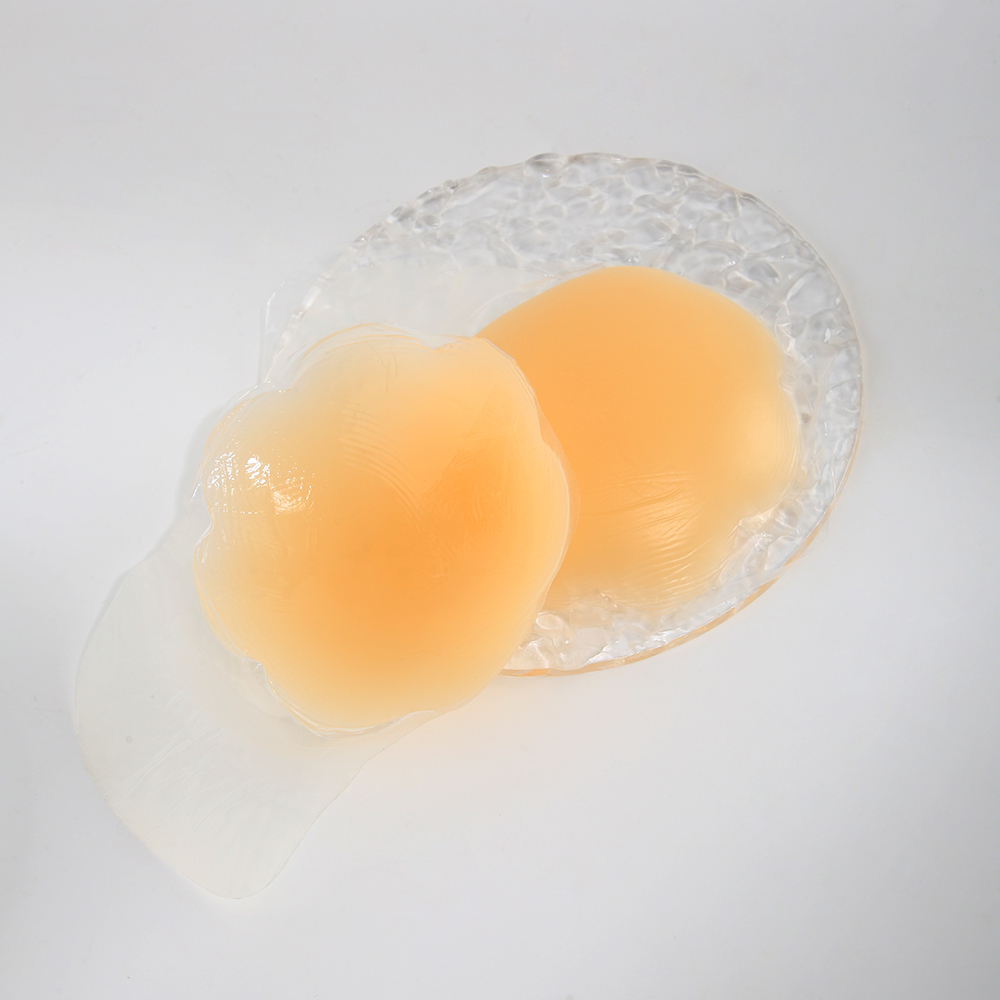
Why does air-drying help pasties last more wears?
Because proper air-drying reduces adhesive damage, contamination, and moisture issues, you can often reach dozens of wears instead of just a handful.
Manufacturers routinely mention 20, 30, even 50+ uses Wenn nipple covers are cleaned and dried correctly. The “if” is doing all the heavy lifting.
Air‑drying supports that promise by:
- Keeping the adhesive surface clear of towel lint and particles that block grip.
- Avoiding aggressive heat that accelerates adhesive breakdown.
- Ensuring moisture has evaporated, so the glue can reset and grab properly next time.
One brand even points out that adhesive seems to “regenerate” after washing and air‑drying, because once oils and sweat are removed and the surface is fully dry, the tackiness returns.
If you’ve ever thought, “These were amazing the first two times and useless after that,” there’s a strong chance they never got the full air‑dry reset they needed to bounce back.
How does air-drying compare to other drying methods?
Compared to towel‑drying, heat, or wiping with tissues, air‑drying is the only method that doesn’t introduce new problems while “fixing” old ones.
Here’s a quick at‑a‑glance view:
| Drying method | What people do | What actually happens to adhesive | Long‑term effect |
|---|---|---|---|
| Air‑dry, sticky side up | Leave on clean surface for hours | No friction, no fibers, full evaporation. | Best stick, longest life |
| Towel or tissue rubbing | Wipe to “speed up” drying | Friction damage, lint stuck in glue. | Fast loss of tackiness |
| Hairdryer / heat source | Blow‑dry or place on radiator, sunlight | Heat weakens glue, may deform silicone. | Adhesive ages quickly |
| Paper towel blotting | Dab both sides after washing | Fibers transfer to adhesive, less grip. | Uneven stick, irritation risk |
| Not fully drying | Store or wear while still slightly damp | Moisture blocks adhesion, supports microbes. | Poor grip, potential skin issues |
Once you see it written out like this, air‑drying doesn’t feel like a “nice ritual”—it’s the only option that actually respects the materials you paid for.
Can you restore stickiness if you didn’t air-dry before?
Sometimes you can partially rescue pasties with a proper wash and air‑dry, but badly lint‑loaded adhesive rarely returns to “new.”
Guess what? If you’ve already towel‑abused your nipple covers, you’re not totally doomed—but you do need to reset your routine.
Most guides suggest this if your pasties feel dull or dusty:
- Wash with mild soap and lukewarm water to remove oils and surface dirt.
- Rinse thoroughly and air‑dry completely, sticky side up.
- Use the protective film and proper storage every time after that.
Some manufacturers mention adhesive renewal sprays for silicone covers, which can restore some grip when the original layer is fading. But here’s the honest bit.
- If the adhesive is physically damaged or loaded with fibers, you can improve it but not magically revert it to brand‑new.
- If it’s mostly clogged with oils and sweat, a good clean plus patient air‑drying can make them feel surprisingly “alive” again.
So yes, air‑drying is still your best bet going forward, even if you didn’t treat them kindly at the start.
The TL;DR
If you want your pasties to stay sticky and last longer, you air‑dry them. Every time. No towels, no tissues, no heat.
- Air‑drying protects the adhesive from friction, fibers, and heat damage.
- Towel‑drying grinds lint into the glue and scrapes the tacky surface.
- Hairdryers, radiators, and hot water weaken adhesive and can warp silicone.
- Fully drying (not “kind of dry”) is essential for grip and skin hygiene.
- With proper washing and air‑drying, many reusable silicone nipple covers can last dozens of wears instead of dying after a few nights out.
Your pasties are not disposable stickers—they’re more like tiny, reusable Brustwarzenabdeckung aus Silikon divas that demand good care. Treat them like part of your lingerie wardrobe, and they’ll stick with you through a lot more outfits and “I can’t wear a bra with this” moments.
Got a pasty horror story or a care hack that worked way better than you expected? Drop it in the comments—I’d love to hear how your covers are surviving (or failing) in the wild.