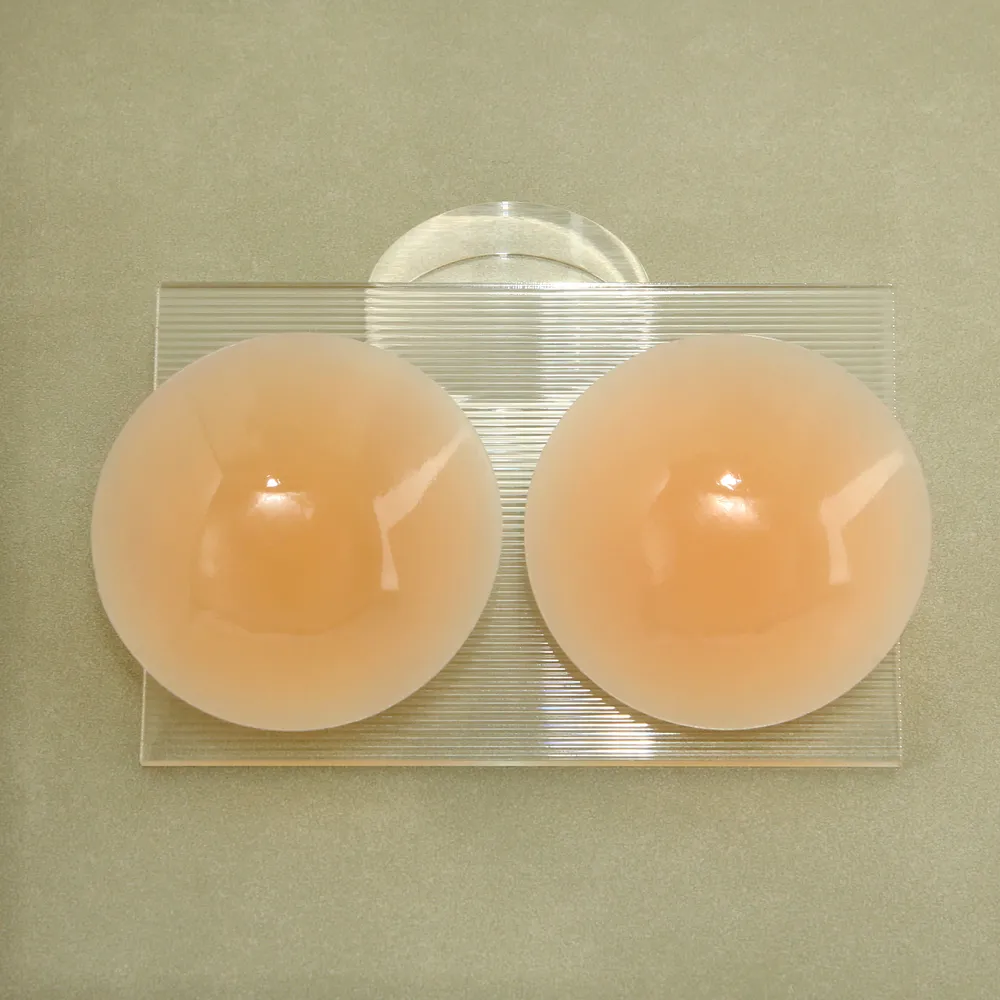
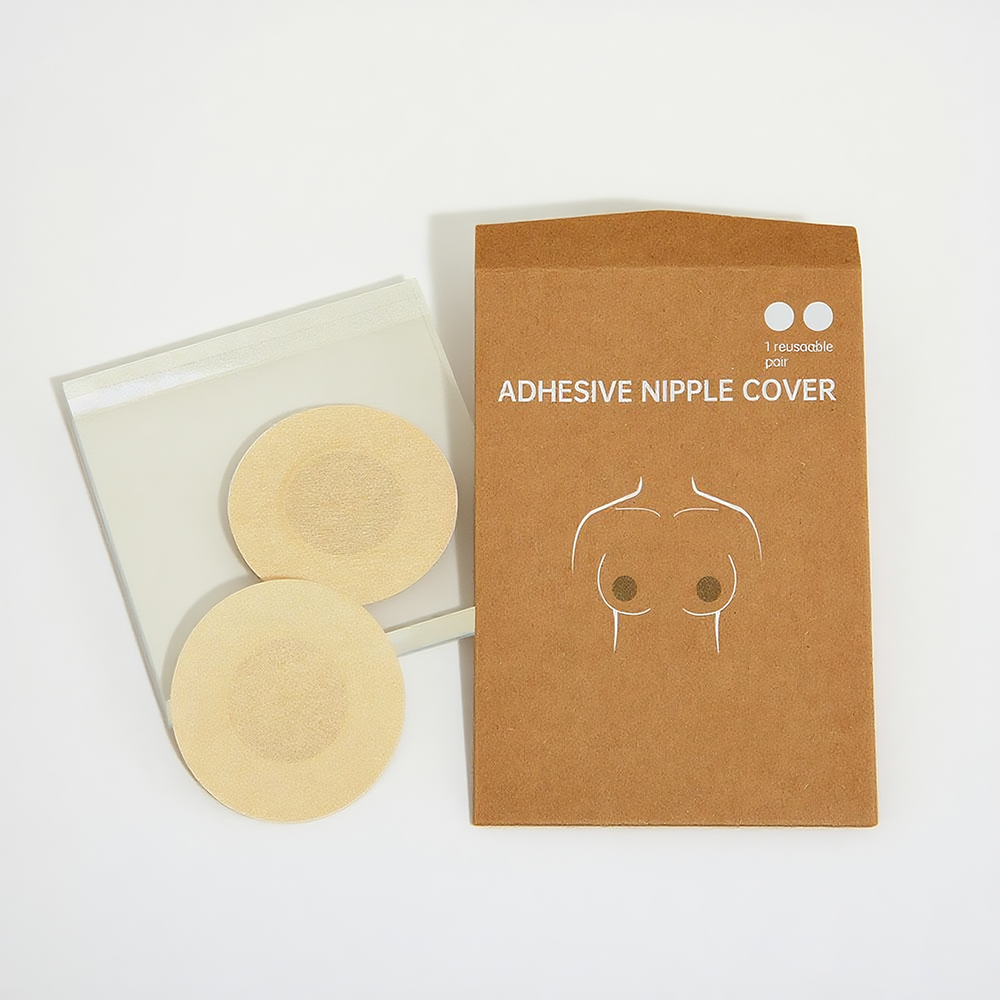
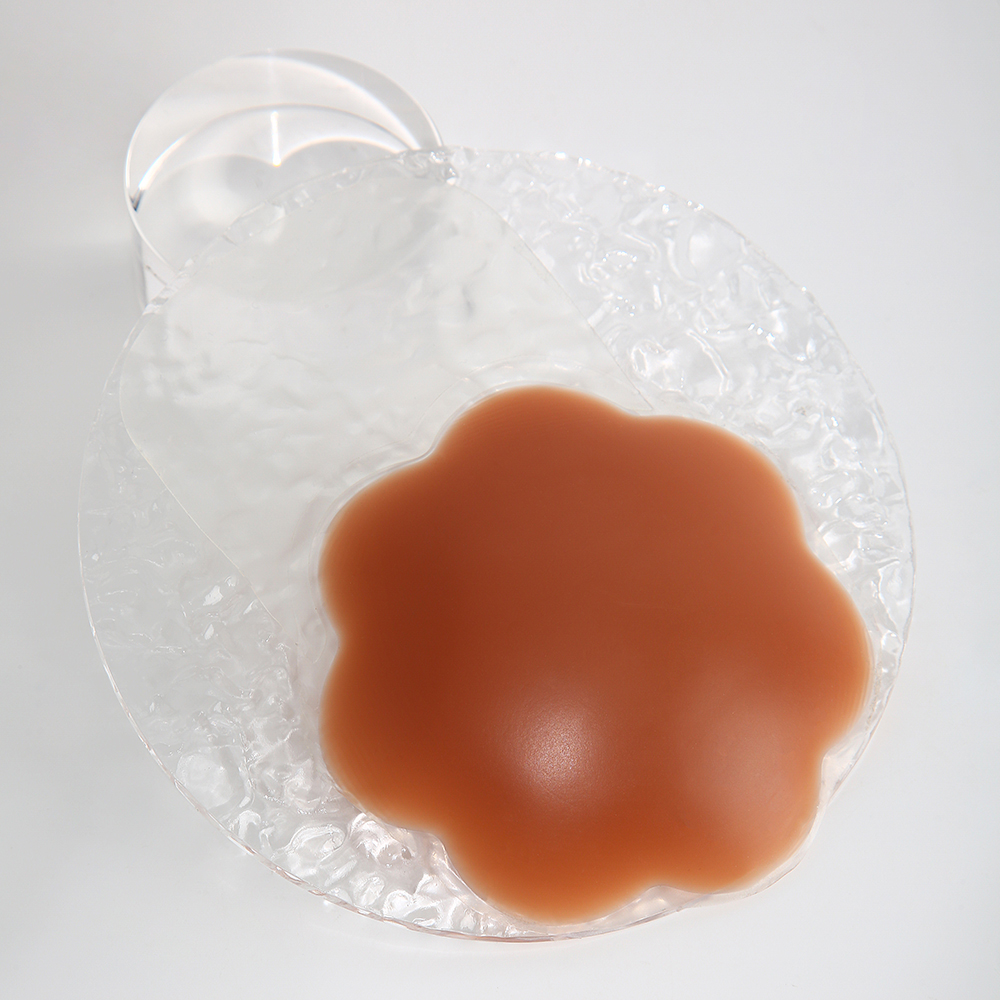
-
Dirección: 2221 Remington Ave, Ontario, California

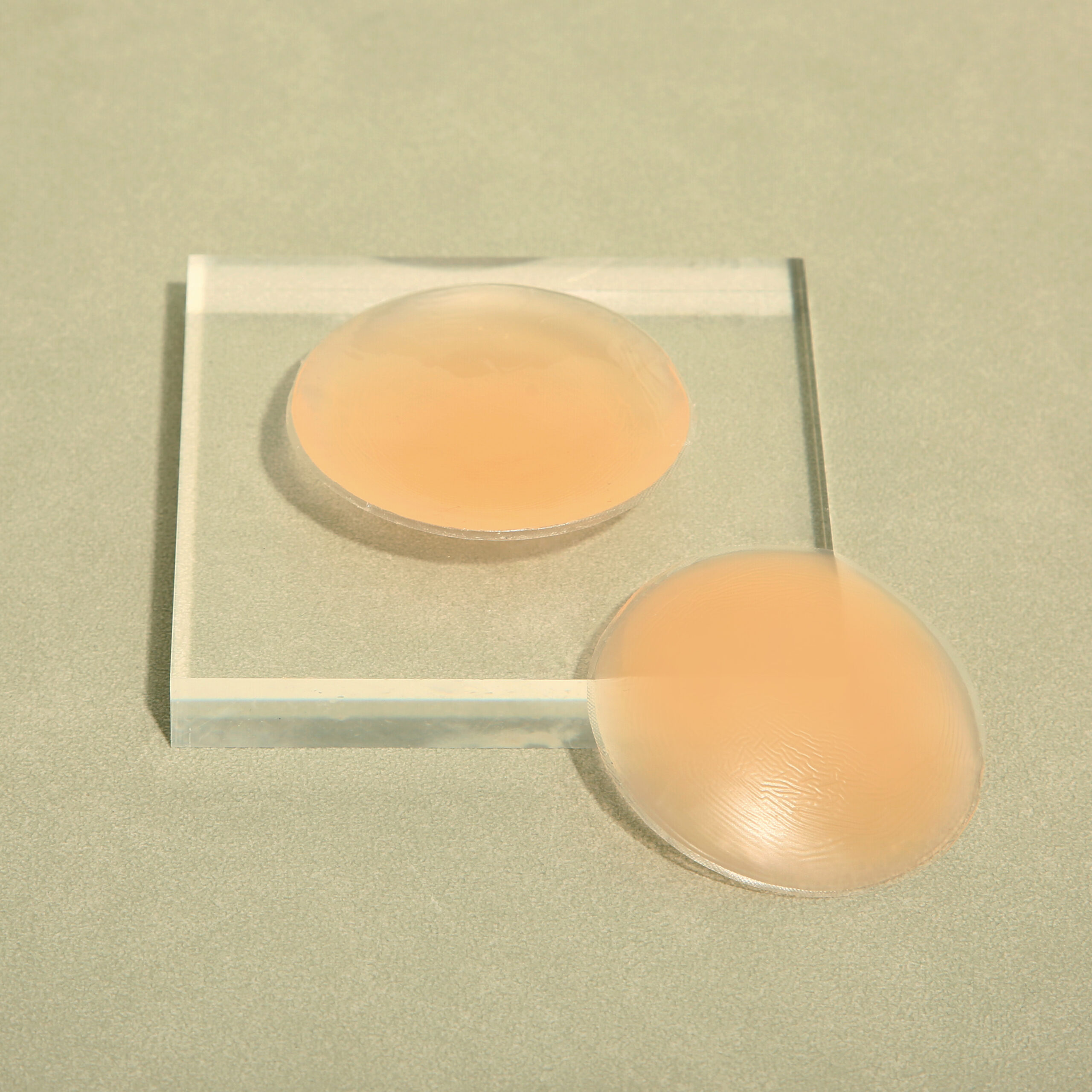
Why Your Nipple Covers Might Be Peeling at the Edges.
Let’s be honest: if your nipple covers are already peeling at the edges before you’ve even finished your coffee, the problem is not “just you.” It’s almost always a mix of skin, sweat, adhesive quality, and how you’re using (and reusing) them.
In this post, I’ll walk through why that annoying edge lift happens, how to fix it, and when it’s actually time to retire a pair and grab fresh covers—with a few smart product pivots like cubierta de pezón de silicona, cubierta de pezón desechable, o cubierta de pezón reutilizable.
Why are my nipple covers peeling at the edges so fast?
Most nipple covers peel at the edges because skin isn’t prepped properly, the area is sweaty or oily, or the adhesive is worn, low quality, or the wrong size/shape for your boob and outfit.
Here’s the thing: when edges curl, it’s rarely just one issue. It’s usually 2–3 small things stacking together:
Skin has lotion, body oil, SPF, or perfume on it.
You’re in a humid, sweaty environment (clubs, summer weddings, gym sessions, hot trains, you name it).
The covers are old, over-washed, or the adhesive has simply reached the end of its life.
They’re too small, too big, or not flexible enough to follow your natural shape, so edges never fully seal.
You’re wearing them past the recommended wear time (most brands suggest around 6–8 hours max per wear).
So if you feel like you’re constantly adjusting or pressing them back on in the bathroom, you’re not crazy—your nipple covers probably don’t have a fighting chance under those conditions.
Could my skin prep be the reason my nipple covers won’t stay flat?
Yes—if you’re not starting with completely clean, dry, product‑free skin, your nipple covers are almost guaranteed to peel at the edges.
Most brands quietly say the same thing in their instructions: clean, oil‑free skin is non‑negotiable if you want adhesion that actually lasts. Simple? Not really. It’s actually quite fussy when you look closer:
Lotions, oils, body butters, and SPF all leave a residue that literally blocks adhesive from grabbing onto your skin.
Even natural sebum (your own skin oil) builds up over the day and creeps under the edges, loosening the grip.
Perfumes and deodorants close to your chest area can also interfere with adhesive performance.
How should you prep your skin so nipple covers stop lifting?
The best prep is a quick, targeted “mini cleanse” with gentle, oil‑free products right before you apply your nipple covers.
Try this routine before you put them on:
Wash the breast area with a mild, oil‑free soap, then rinse well.
Pat completely dry—no damp spots, or you’ll get instant slippage.
Skip moisturizer, oils, and shimmer products on and around the areola. Apply those higher or lower on the chest instead.
If you’re very oily or prone to sweating, an oil‑free wipe on the area right before applying can help remove surface residue.
Think of it like painting a wall: the better the prep, the smoother the finish—and the longer it stays put.
Is sweat or humidity why my nipple covers keep rolling up?
Yes—sweat and humidity are major reasons nipple cover edges lift, especially near the outer rim where moisture sneaks underneath first.
You don’t even need to be “sweaty” in the gym sense. A packed bar, hot subway, summer wedding, or a club under strong lights is more than enough to cause:
Moisture buildup between your skin and the adhesive, especially right at the edges.
Micro‑movement from dancing, walking, or just existing in a clingy dress, which makes damp edges roll or wrinkle.
Friction from tight clothes rubbing across partially lifted edges, which then makes them peel more.
What can you do if you sweat a lot but still want nipple covers to stay on?
Your best moves are choosing more sweat‑friendly materials, managing sweat around (not on) the nipple, and avoiding very heavy lotions or powders.
Here are a few practical tweaks:
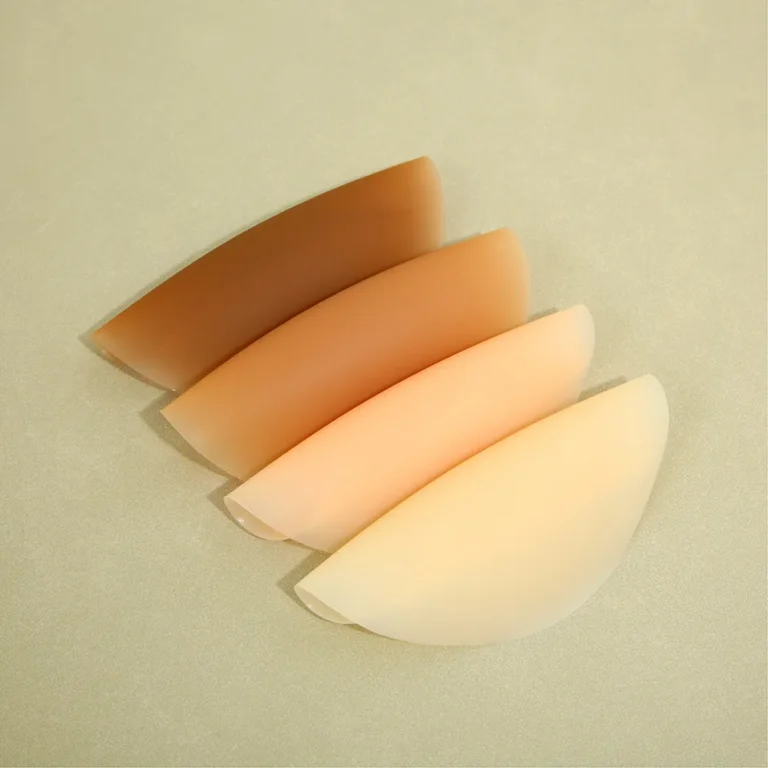
Opt for high‑quality silicone nipple covers if you know you’ll be in a hot or active environment—silicone tends to handle sweat better than many flimsy fabric options.
Wear breathable fabrics on top so heat doesn’t get trapped against your chest.
If you must use anything for sweat, keep antiperspirant around the breast area but not directly on the nipple or areola where the adhesive needs to grip.
Avoid dusting the area with talc or heavy powder; that might help with sweat, but it usually kills adhesive faster, especially on silicone.
If you know you’re going to dance, run around, or be outside in August, planning ahead with the right type of cover (for example, a high‑quality cubierta de silicona para el pecho) is way less stressful than fighting with lifting edges all night.
Are my nipple covers just old or overused?
If your nipple covers used to stay flat and suddenly start peeling at the edges, there’s a good chance the adhesive is worn out from repeated use or poor cleaning and storage.
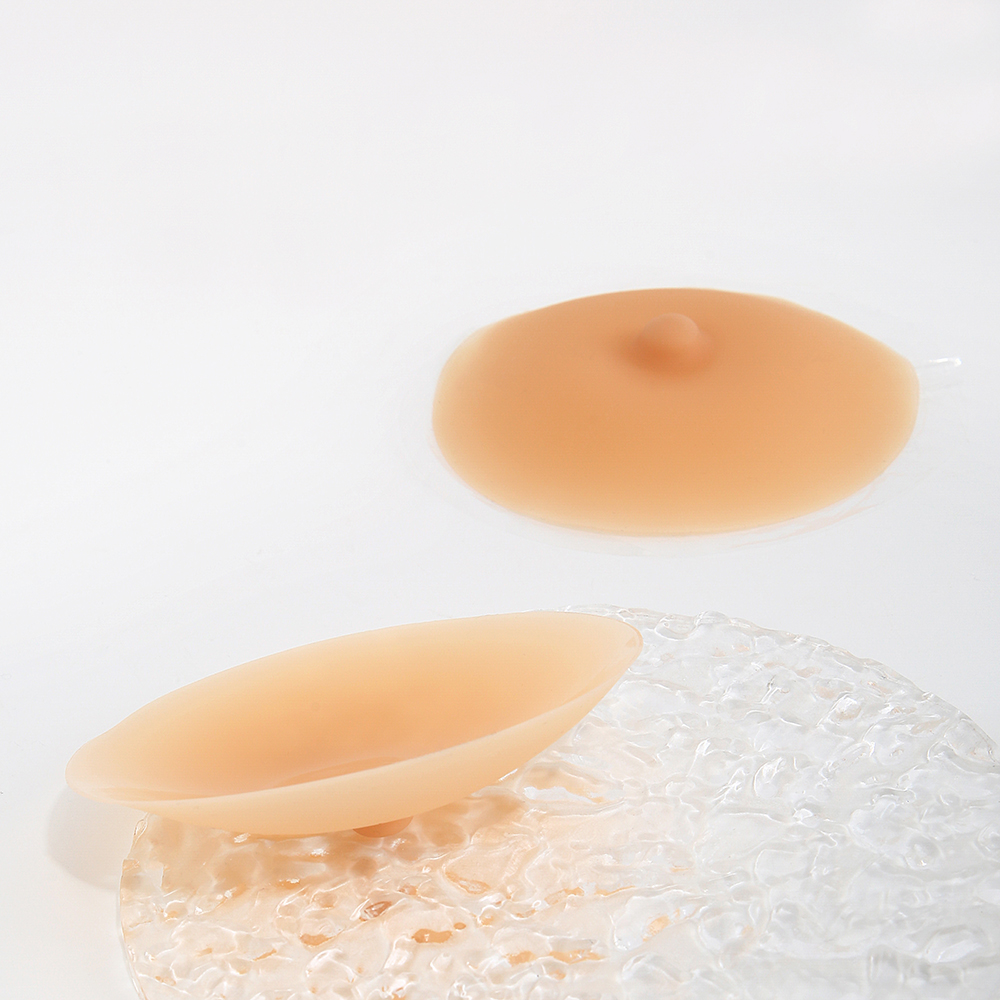
Reusable silicone nipple covers are designed for multiple wears, but not infinite ones. Depending on the brand and how you care for them:
Many silicone nipple covers are marketed as reusable for around 20–50 wears with proper care.
Some brands mention that with good cleaning and storage, covers can last several months of regular use.
Heavy use, rough washing, harsh soaps, and bad storage (like leaving them loose in a hot bathroom) all shorten their lifespan.
What are the signs your nipple covers are “done”?
Obvious wear, loss of stickiness, edge lifting from the moment you apply them, and visible gunk or damage are all clear signs it’s time to replace your covers.
Look out for:
Discoloration or lint that won’t rinse off properly.
Adhesive that feels slippery, patchy, or attracts every piece of fluff in a 2‑meter radius.
Loss of flexibility—if the silicone snaps back instead of molding to your shape, edges won’t seal.
Edge peeling almost immediately after putting them on, even with good skin prep.
At that point, no hack is going to magically resurrect them. It’s smarter (and less frustrating) to switch to a fresh pair—whether that’s a cubierta de pezón reutilizable o un cubierta de pezón desechable if you only need them occasionally.
Am I using the wrong size or shape of nipple covers?
Yes, wrong sizing and poor shape match are sneaky reasons nipple covers peel at the edges, especially if they’re too small, too big, or too stiff for your breast shape.
Here’s the thing nobody tells you when you click “add to cart”:
Too small: If the cover barely goes beyond the areola, the adhesive has very little surface area to grip, and edges are under more tension, so they lift easily.
Too big: Oversized covers wrinkle when your body moves, and those wrinkles often start at the edges and turn into peeling.
Wrong shape: Flat or very stiff covers don’t mold to round breasts, so the outer rim is basically floating, not sealed.
How do you pick nipple covers that actually fit and don’t roll?
Choose a size that comfortably extends beyond your areola, with flexible material that molds to your skin rather than fighting it.
Some simple guidelines:
Make sure the diameter fully covers the areola with a decent “border” of adhesive left around it; that border is what keeps edges from lifting.
Go for flexible silicone or fabric that can adapt to slight movement instead of rigid, plasticky discs.
If you have a larger bust or more projected breasts, look for covers marketed as “flexible silicone nipple cover” or similar, which are designed to curve with your shape.
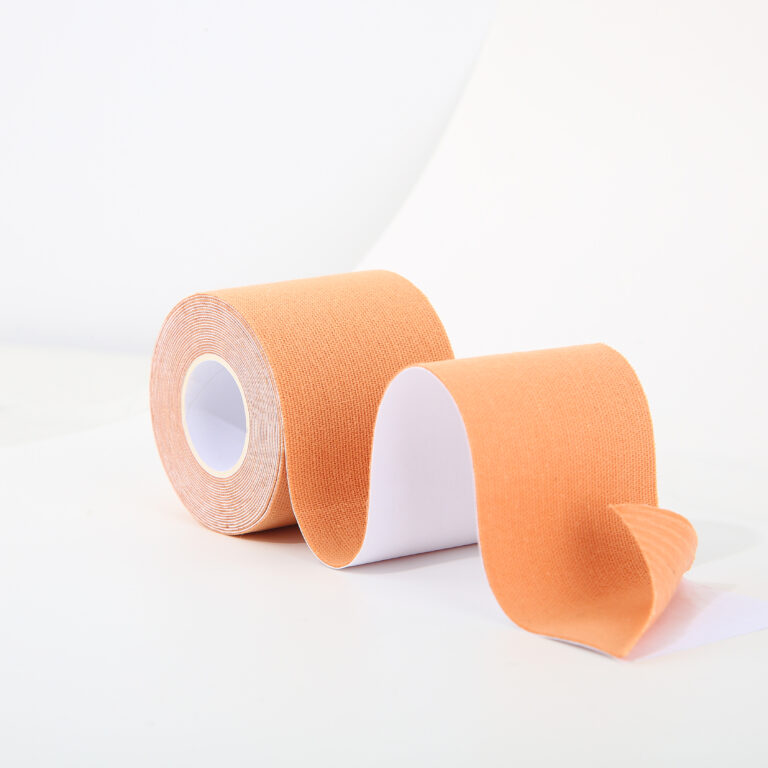
If you regularly wear deeper necklines or open‑back outfits alongside nipple covers, pairing them with options like a sujetador con pezoneras o cinta para el cuerpo can also help keep everything supported, which reduces movement and edge stress.
Am I applying nipple covers incorrectly?
Yes—rushed or uneven application is one of the fastest ways to get that dreaded “edge halo” where the rim starts lifting within minutes.ve on. The problem is:
If you don’t press from the center outward, you trap air bubbles and tiny gaps near the edges.
If you don’t hold them in place for long enough, the adhesive doesn’t fully bond to the skin.
Not warming the adhesive slightly (with your hands or body heat) can make it harder for it to grab on, especially with silicone.
What’s the best way to apply nipple covers so they don’t peel?
The most reliable method is: warm, center, smooth outward, and press firmly for 20–30 seconds on clean, dry skin.
Here’s a simple step‑by‑step:
Warm the covers in your hands for a few seconds to “wake up” the adhesive.
Stand in front of a mirror; peel off the backing carefully so you don’t touch the sticky part.
Place the center over the nipple first, then smooth outward toward the edges, pushing out air bubbles as you go.
Hold in place with your palm for about 20–30 seconds to let the adhesive bond.
Put on your top slowly so you don’t accidentally tug the edges while dressing.
That tiny bit of extra effort makes a big difference in how long they stay flat and invisible under clothes.

How long should nipple covers actually last before they start failing?
Most nipple covers are designed for a single wear of around 6–8 hours at a time, and reusable silicone options can often last 20–50 wears with good care—but this varies by brand, sweat, and storage.
A few real‑world benchmarks:
Many guides suggest keeping wear time to about 6–8 hours to prevent moisture buildup and irritation.
Some silicone covers are marketed as reusable for 20 or more wears, with higher‑quality ones often described as lasting up to 30–50 uses when handled gently.
In practice, people often report the adhesive staying reliable for around 3–6 months of intermittent use, depending on how often they wear and wash them.
Can you “revive” nipple covers that are losing stick?
You can often extend the life of reusable covers by cleaning them properly and letting them air‑dry, but there’s a limit—once the adhesive breaks down, it won’t fully return.
Good habits that help:
Gently wash reusable covers with warm water and mild, non‑harsh soap after each wear.
Let them air‑dry with the adhesive side up, then reapply the protective film or place them back in their case.
Avoid alcohol, exfoliating cleansers, or abrasive scrubs; these can damage the adhesive and silicone.
Store them at room temperature, away from direct sun or very hot bathrooms, which can warp the silicone and weaken adhesive.
If you’ve washed them correctly and they still barely grab your skin or keep peeling at the edges, it’s not you—it’s the adhesive’s retirement party.
Are some nipple covers just low quality?
Yes—cheaper nipple covers often use weaker adhesives, thinner materials, and poor shapes that are far more likely to peel at the edges.
Here’s why that matters:
Low‑quality adhesives lose grip faster, especially when exposed to sweat, body heat, or gentle washing.
Very thin or stiff materials don’t mold well to the skin, making it easy for edges to curl or ripple.
Some budget covers are marketed as reusable but simply don’t have adhesive built for multiple wears.
If you’ve tried all the tricks—skin prep, proper application, decent storage—and they still fizz out after 1–2 wears, it’s probably worth investing in better‑made options like a silicone nipple cover or reusable silicone pasties from a reputable brand.
How do I stop nipple covers peeling if I have sensitive skin?
If you have sensitive skin, you need a careful balance: strong enough adhesion to prevent edge peeling, but gentle materials and removal habits so your skin stays calm.
People with sensitive skin often deal with irritation, redness, or micro‑tears if they yank covers off too fast or wear them for too long. That irritation can actually weaken future adhesion because the skin barrier is stressed.
What’s the gentlest way to wear and remove nipple covers?
Limit wear time, remove them slowly from the edge, and soothe the skin afterward so it’s healthy enough for next time.
A few practical habits:
Stick to the recommended 6–8 hours max per wear, and take breaks between uses.
To remove, peel slowly from the edge; if it feels tight, use warm water or a bit of gentle oil around the edges to loosen the adhesive.
After removal, you can apply a soothing, non‑oily product around (not directly under adhesive right before next wear) to help the skin recover.
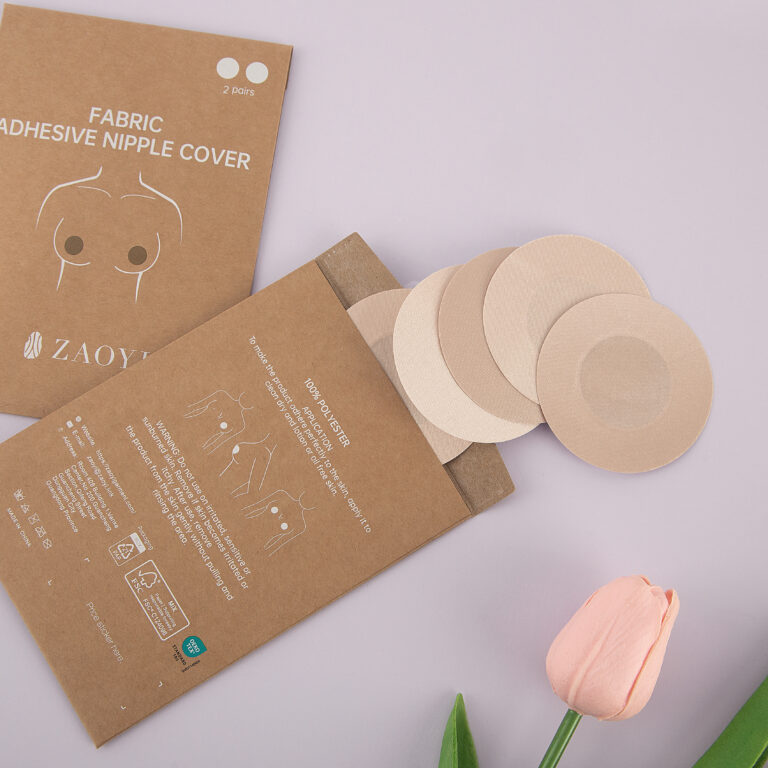
If silicone bothers your skin, experiment with well‑made fabric nipple cover or even disposable nipple cover options that use different backing and adhesive formulas.
If irritation keeps happening, that’s your sign to rotate in softer styles or give your skin more no‑cover days. Long term, happy skin actually holds adhesive better.
The TL;DR – why your nipple covers are peeling at the edges
Most edge‑peeling problems come down to three things: skin not being clean/dry enough, sweat or friction, and tired or badly sized/low‑quality covers.
Here’s the fast version:
Prep matters: Clean with oil‑free soap, dry completely, and skip lotion or oils in the nipple area before application.
Sweat is sneaky: Heat, humidity, and movement push moisture under the edges and cause rolling.
Application technique: Warm adhesive, center first, smooth outward, and press for 20–30 seconds.
Wear time: Aim for about 6–8 hours per wear to avoid irritation and moisture buildup.
Reuse limits: Reusable silicone nipple covers often last around 20–50 wears with good care, but worn adhesive will always start to peel.
Cleaning & storage: Gentle soap, air‑dry, and proper storage extend lifespan; harsh products and heat shorten it.
Fit & quality: Size, shape, flexibility, and adhesive quality all decide whether your edges stay flat or not.
So… what should you try next?
Here’s the thing: you don’t have to accept constantly peeling edges as “just how nipple covers are.” Once you dial in the combo of decent product, smart prep, and realistic wear time, they become pretty low‑drama.
If your current pair is clearly on its last legs, consider upgrading to a better cubierta de pezón de silicona, keeping cubierta de pezón desechable on hand for sweat‑heavy days, or rotating in a cubierta de pezón reutilizable for outfits you wear often.
Got a specific “edge‑peeling horror story” outfit (deep V, backless dress, tight gym top)? Drop it in the comments and let’s troubleshoot your exact setup.