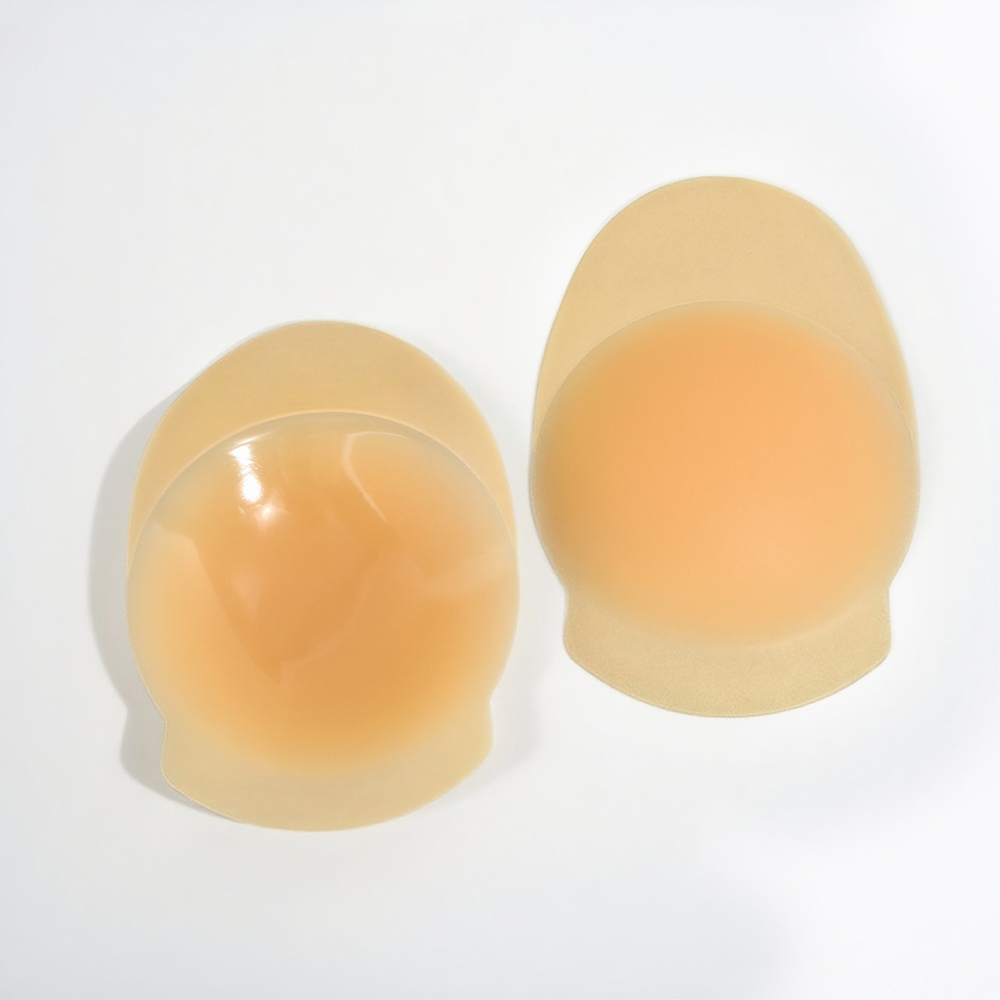
How to Store Your Nipple Covers to Prevent Adhesive Degradation.
Okay, so. “How to store your nipple covers so the adhesive doesn’t die on you after three wears” sounds boring on paper, but it is não boring when you’re standing in front of a mirror before a night out and one side just… slides.
Total disaster. Truly.
Here’s the thing: most nipple covers don’t fail on your body. They fail in your drawer, your handbag, your bathroom. It’s not age, it’s neglect. We baby our serums and then treat nipple covers like they’re Post-it notes. Peel, fling, forget. Then we blame the brand when they stop sticking. Yeah, I’ve done it too.
So let’s talk about what’s actually killing the adhesive—and how to not sabotage your own boobs.
Índice
I’m going to oversimplify it first: your nipple cover adhesive is basically a clingy little goblin that hates three things—dust, oil, and heat. That’s it. That’s the enemy squad.
Dust and lint coat the sticky surface so it can’t grab onto your skin.
Oils (from your body, lotion, sweat, whatever) clog that layer and make it slick instead of tacky.
Heat and steam speed up the “aging” of the glue so it gives up sooner.

And where do we store them?
In dusty drawers. Oily makeup bags. Steamy bathrooms. Hot cars. We’re literally doing a villain origin story for the adhesive and then wondering why it’s flaky.
Actually, wait, that’s not even the worst part. The worst part is what people do right after wearing them.
You know that move where you pull off your nipple covers, smack them together sticky-side to sticky-side, and toss them somewhere? Yeah. That.
Feels efficient. Looks harmless. Kills them.
When you press sticky side to sticky side, you’re not just “saving space.” You’re stretching and tearing the adhesive every single time you peel them apart. Tiny, invisible damage, over and over. Like ripping off a bandage and expecting it to be just as sticky next time. It won’t be.
And then there’s the “leave them face up on the bathroom counter until I remember they exist” approach. Steam from the shower. Hair. Dust. The random powder fallout from your setting brush. All of it builds a filthy little film on top of the glue.
So yeah, your storage habits are absolutely part of the problem.
Proper storage isn’t fancy. It’s boring. Boring but effective.
You take them off. You don’t yank. You peel from the edge gently so you’re not wrinkling the adhesive.
If you’ve been sweating or you see little fuzz bits stuck to them, you give them a quick rinse with lukewarm water and a tiny drop of gentle soap. Not boiling water. Not alcohol. Not that industrial “deep cleansing” face wash you panic-bought on TikTok. Just mild soap.
You don’t scrub. You don’t attack them with a towel. You just swirl with your fingertips, rinse, and then leave them sticky-side up to air dry. That’s it. Sticky side facing the ceiling, not the towel, not your shirt, not your cat.
And then—this is the part everyone skips—you put the protective film back on.
Those clear plastic circles or shapes they arrived stuck to? Yeah, that wasn’t packaging trash. That was their shield. Lose the shield, and everything in your environment is now invited to sit on your adhesive. Dust. Fibers. Random lint from your underwear drawer. It all adds up.
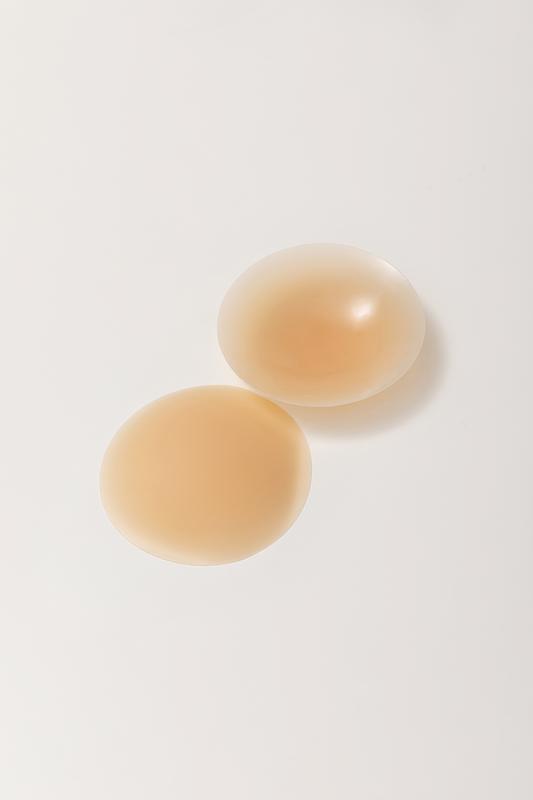
If you’re using reusable nipple cover styles that promise 20+ wears, this one tiny habit (actually keeping and reusing the backing film) is the difference between “wow, these lasted ages” and “why are they already dead?”
(See examples of reusable designs here: Protetor de mamilo reutilizável.)
So once they’re dry, you gently line the film up and press it back onto the sticky side. Now the adhesive is covered, safe, and not out here raw-dogging the air.
After that, you don’t just toss them naked into the drawer. You put them into something. A case, a little box, the original tray—anything that keeps them lying flat and protected. No bending, no folding, no shoving them between bras like they’re some lost coin.
And can we talk about bathrooms for a second?
Because I get it—you’re taking them off in front of the mirror. The bathroom counter is right there. Convenient. And also the worst possible ecosystem for adhesives. Steam, temperature changes, and random products everywhere.
Hot showers = humidity. Humidity + adhesives = slow, sad decline.
If you consistently store your nipple covers in a steamy bathroom, you’re basically aging them in fast-forward. The glue doesn’t melt dramatically in front of your eyes; it just quietly loses its oomph. A little softer. A little duller. Until one day you’re halfway through a dinner and you feel one side quietly resigning from its job.
So yeah, bathroom storage? Hard no.
Bedroom drawer, shelf, closet—much better.
Let’s also be real about temperature.
Leaving them in a car? In summer? That’s a crime. Adhesives and heat are not besties. The silicone might survive, but the glue can soften, shift, or cure in weird ways when it’s baked. Then when it cools down, it doesn’t behave the same.
Think of it like chocolate. Melt, resolidify, and tell me it looks the same. Exactly.
You don’t need to refrigerate your nipple covers (please don’t), but you do want “normal, boring room temperature.” Not “trapped in a glove compartment for three weeks.” Not “permanently living on the sunlit windowsill.”
If you’re storing them somewhere and você wouldn’t want to sit there for hours because it’s too hot or too damp? Your adhesive doesn’t want to be there either.
Let’s circle back to one more sneaky killer: lint.
Every time the adhesive touches something fuzzy—towels, sweaters, the inside of your bag—it’s picking up tiny fibers that never fully come out. You rinse, you rub gently, and yeah, some of it lifts. But some of it is stuck for life. Over time, that builds up into a fuzzy little shield between your nipple cover and your skin.
That’s when they start sliding.
That’s when you’re standing in a bathroom stall somewhere, pressing them back on and hoping gravity will be kind.
If that’s already happening even after a wash and careful dry? That’s usually a sign the adhesive has either:
been stripped too hard, or
just lived through too much dust, lint, and heat.
At that point, it’s not you. It really is them. They’re done.
What you want is this stupidly simple routine that future you will thank you for:
Take them off.
If they’re dirty, rinse them gently.
Let them air dry completely, sticky side up.
Put the backing film back on.
Store them flat in a case or tray, somewhere cool and dry.
That’s it. That’s the “magic.” No hacks, no weird powders, no glue resurrection rituals. Just not treating them like disposable stickers from a kids’ sheet.
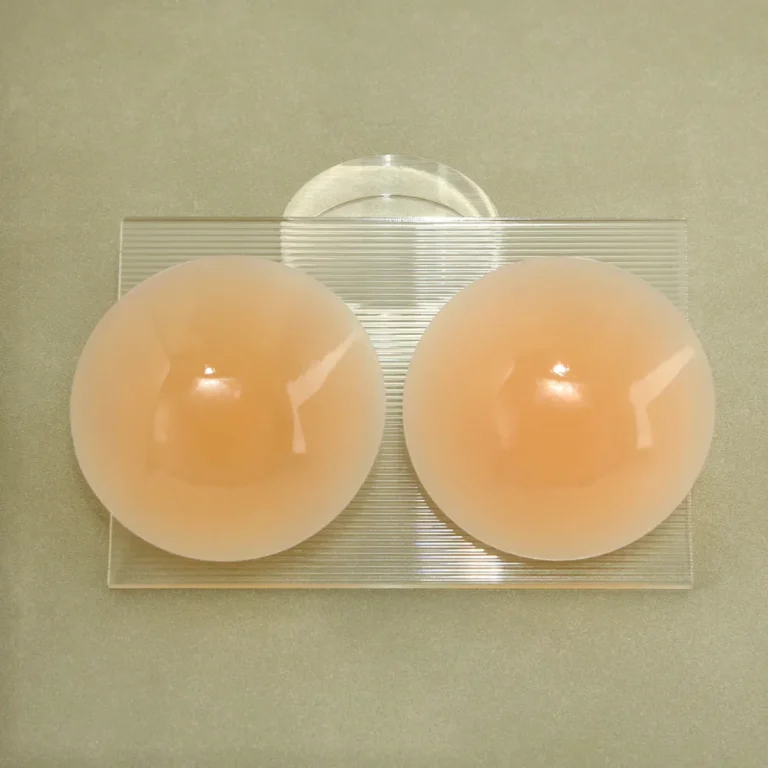
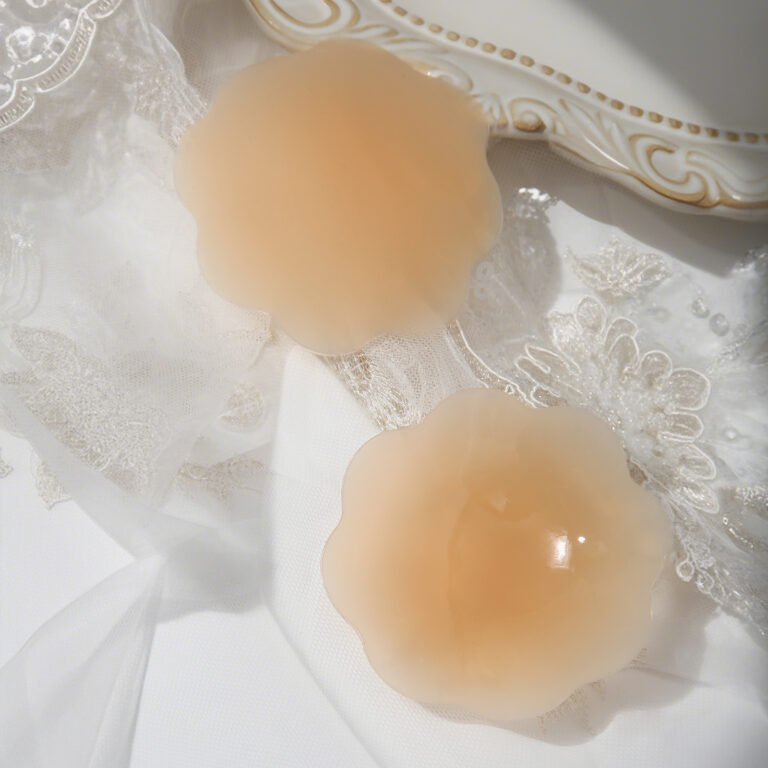
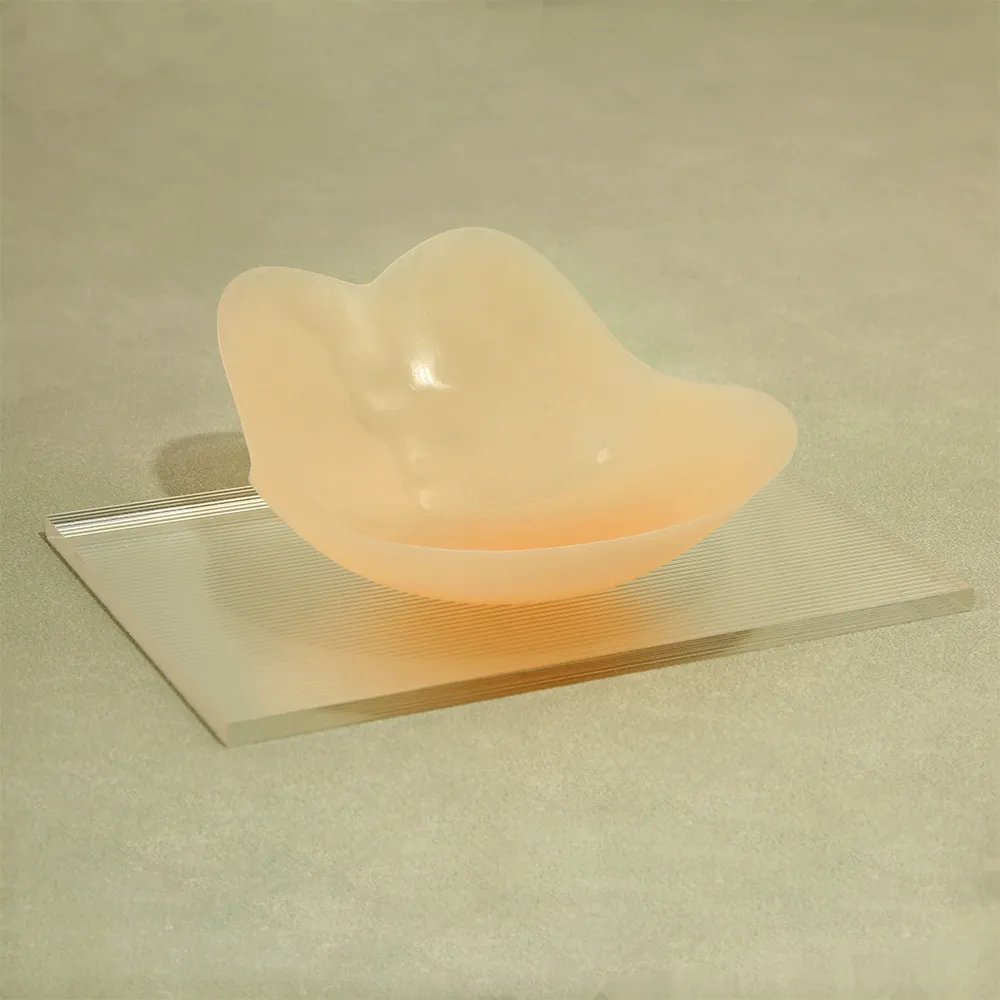
If you’re playing with different shapes and finishes—like petal shapes, patches, or full capa de silicone para seios styles—you’re still going to use the same storage logic: clean, dry, covered, contained.
(Want to see that style specifically? Check: Capa de silicone para seios.)
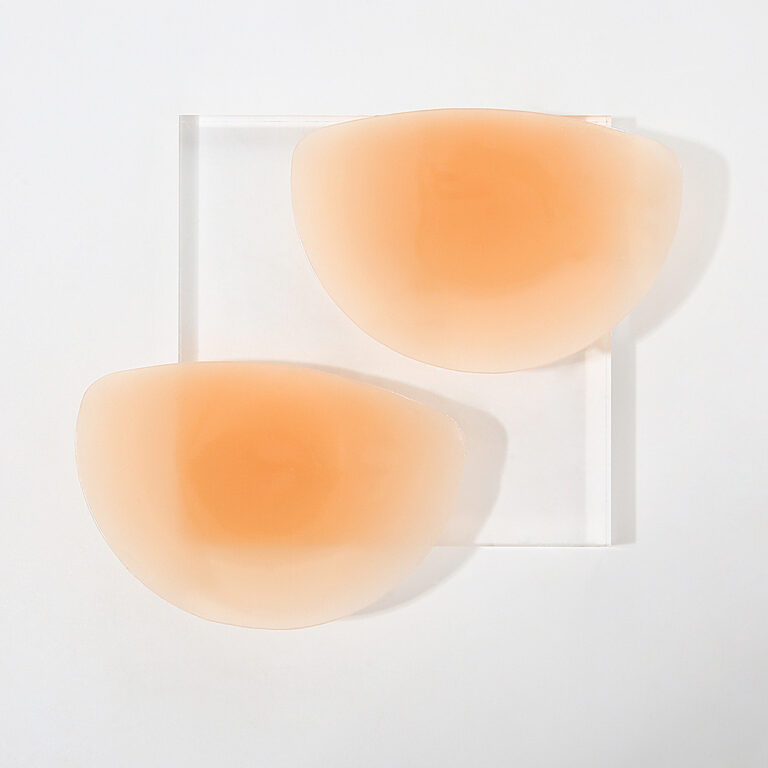
And if you ever need a break from covers altogether and want lift plus coverage, you’re basically in sutiã pasties territory—same adhesive logic, just more real estate.
(Those live over here: Sutiã Pasties.)
And yeah, it’s annoying in the moment. You’re tired, you’re getting ready for bed, and the last thing you want to baby is your nipple covers. But the alternative is standing in front of your closet a week later, freaking out because the only pair you have now barely sticks and your outfit needs them.
Personally? I’ll take the 60 seconds of care over a wardrobe panic any day.
I know this sounds dramatic for two little circles of silicone, but let’s not pretend they’re not doing serious work. They’re the difference between “effortlessly smooth outfit” and “hello, uninvited high-beam moment.”
So if they’re quitting on you way too fast, it’s not always the brand. Sometimes it’s us. Our “throw it anywhere, it’ll be fine” habits.
Treat them like part of your lingerie lineup instead of random disposable stickers, and you’ll get way more wears out of every pair.
Anyway, now I’m curious: are you the “careful case and backing film” type or the “I think they’re somewhere in my drawer under a sports bra and ten socks” type? Because if it’s the second one… yeah. We found the problem.