-
C/O 2221 Remington Ave, Ontario, California

Amazon FBA Sellers’ Guide to Private Label Backless Bra Suppliers
A backless bra can look like a simple product to source. Find a style, add a logo, create an Amazon listing, and send inventory to FBA.
In practice, each of those steps can create problems if the supplier is chosen only on price.
Adhesion needs to be consistent. Materials and sizing need to match expectations. Packaging has to protect the product and support your brand. Each FBA unit also needs to meet Amazon’s applicable preparation and identification requirements before it reaches a fulfillment center.
For sellers building a long-term brand, finding the right private label backless bra suppliers for Amazon FBA is therefore less about finding the cheapest catalog and more about finding a manufacturer that can deliver a repeatable product.
Why Consider Backless Bras for a Private Label Range?
Backless and adhesive bras solve a clear clothing problem: conventional bra straps and bands do not work with every neckline or outfit.
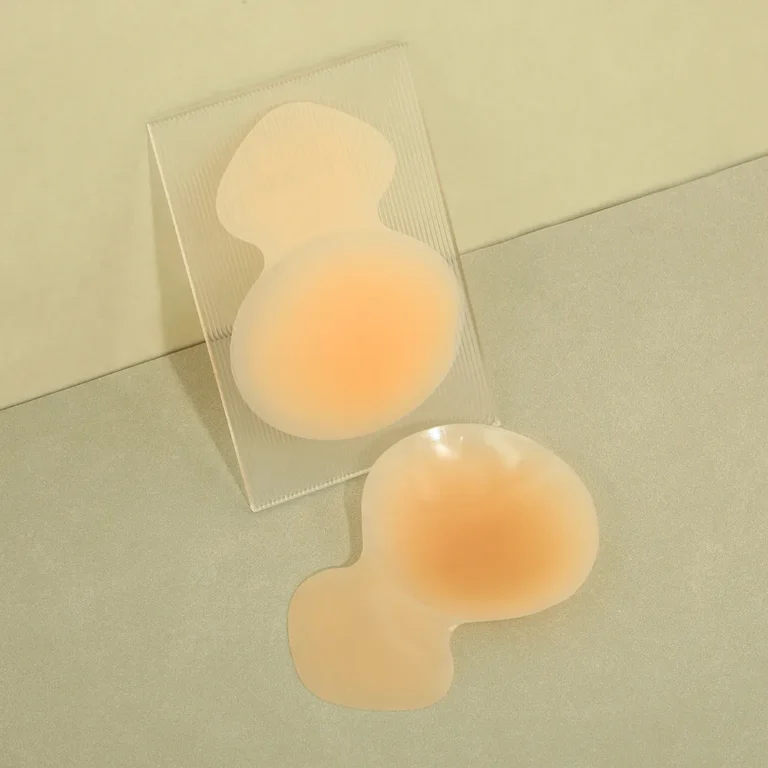
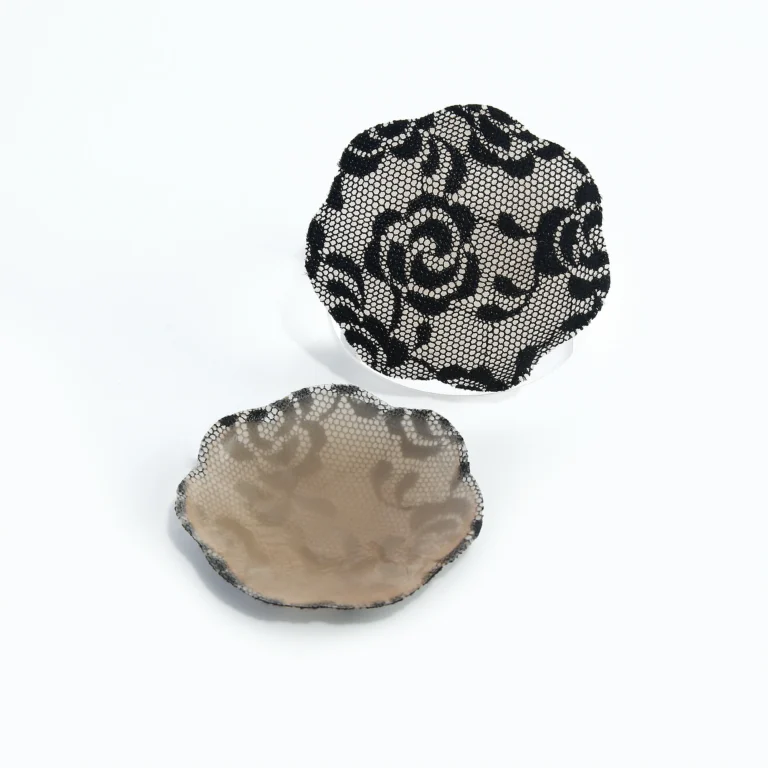
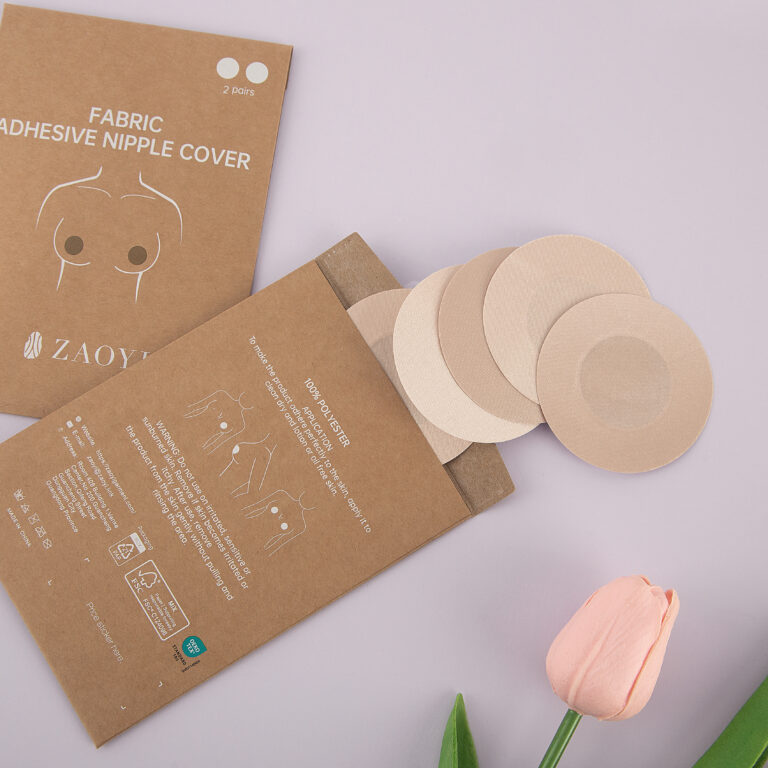
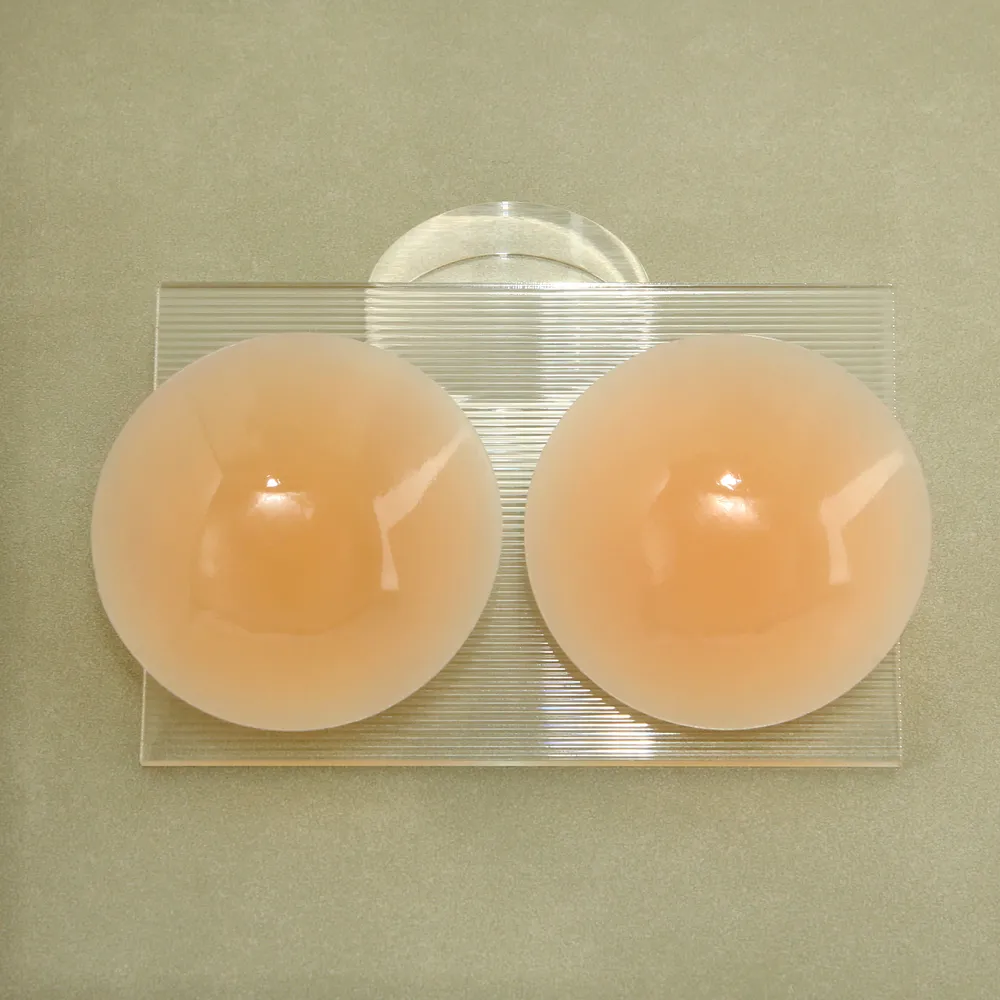
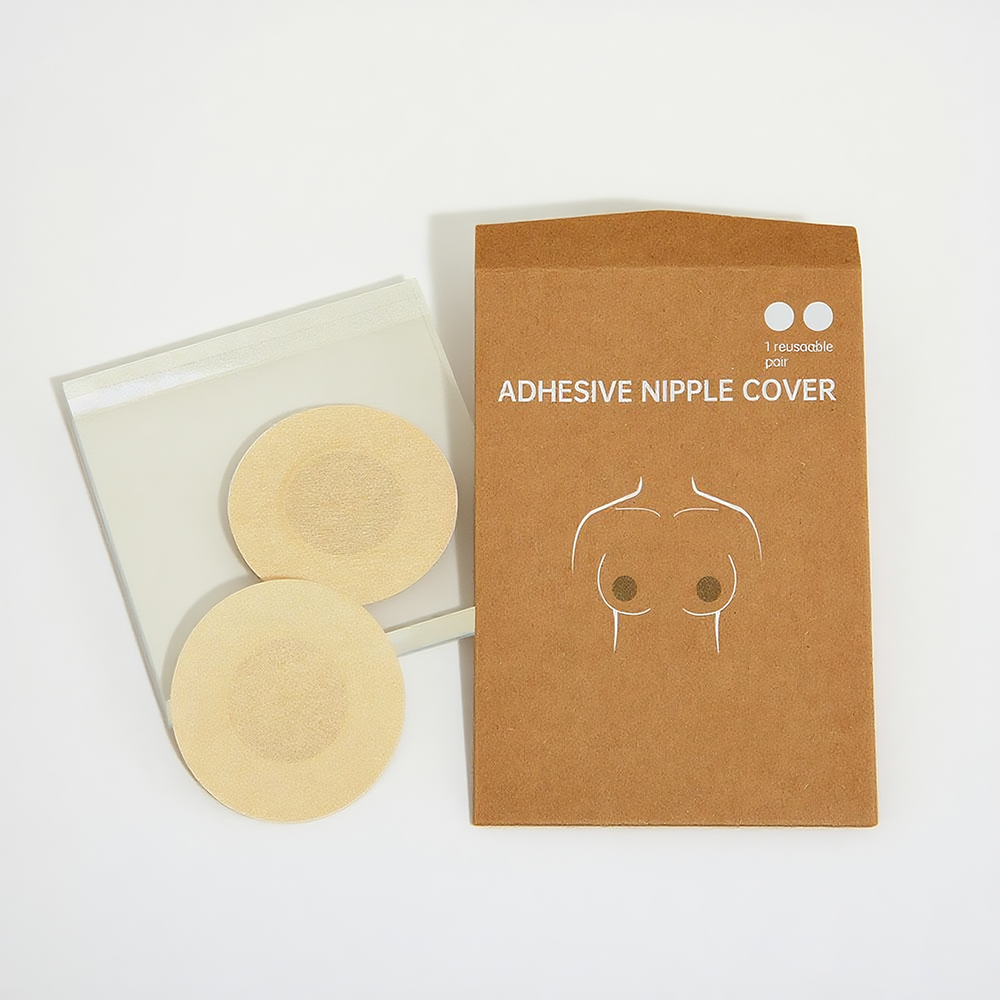
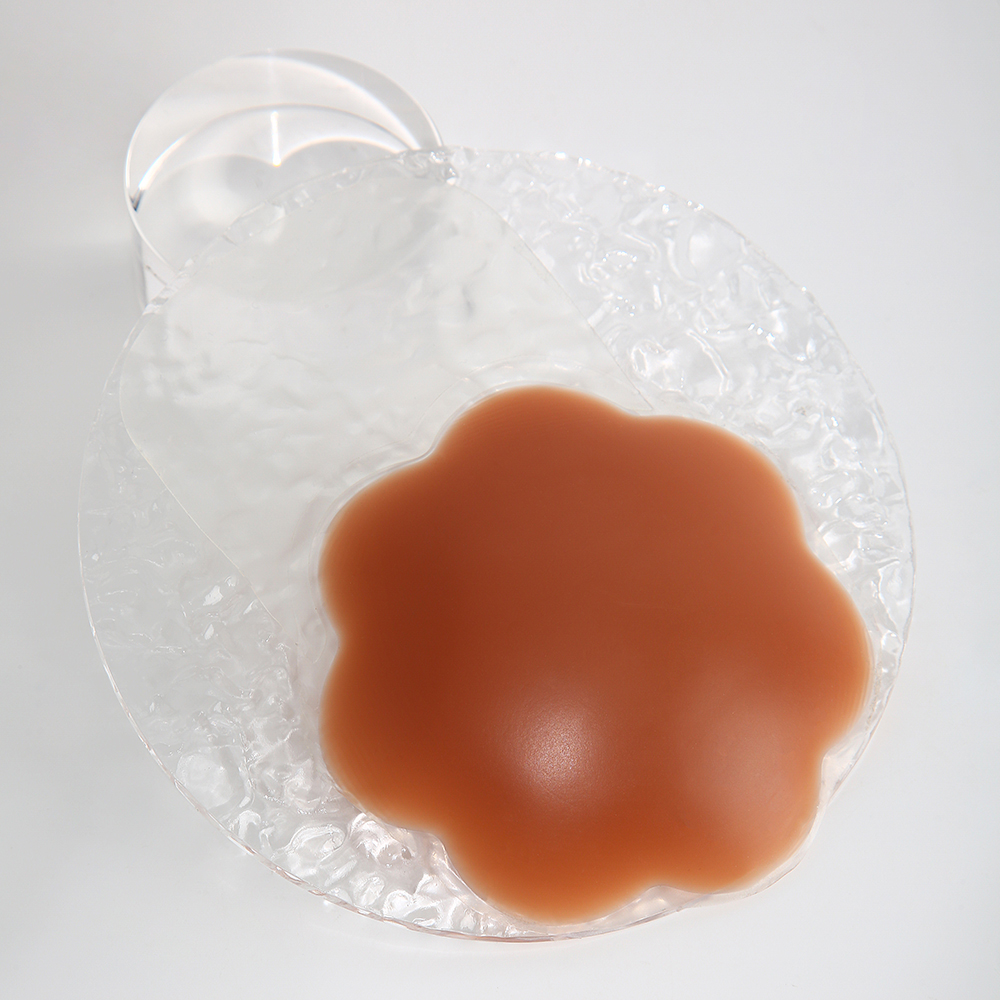
The category can also extend naturally into related products such as nipple covers, bra tape, and other invisible bra accessories.
For private-label sellers, that creates room to build a focused product family rather than depending on one isolated SKU.
That does not mean a backless bra will automatically sell well on Amazon. Demand, competition, advertising costs, reviews, pricing, and differentiation all need separate research.
Before ordering inventory, validate the market. Manufacturing should follow a sound product decision, not replace one.
What Should FBA Sellers Look for in a Bra Supplier?
Start with relevant manufacturing experience.
If you are sourcing an adhesive product, ask how familiar the factory is with adhesive bras and other direct-to-skin products. A supplier that mainly makes conventional sewn bras may have a different set of strengths from a specialized Adhesive Bra Factory.
Then look at the areas that can affect your customers directly.
Product consistency
The product delivered in the second or third order should not feel noticeably different from the product that earned your first reviews.
Ask how the factory checks materials, sizing, appearance, adhesion, and finished goods.
Personalizare
Find out what “private label” actually includes.
Can you customize the logo, colors, product labels, packaging, inserts, or product itself? If you want a unique construction rather than an existing style, ask whether the supplier offers OEM or ODM development.
Communication
Marketplace businesses move quickly. You need a supplier that can answer specific questions clearly, confirm changes, and document what has been agreed.
Material and testing information
Adhesive bras and nipple covers sit directly against the skin, so material information deserves attention.
Ask what documentation is available and determine which testing or compliance requirements apply to your target market and specific product.
For textiles, OEKO-TEX STANDARD 100 is one recognized framework for testing against harmful substances, with stricter requirements for products involving more intensive skin contact.
Why Product Quality Matters More Than a Cheap Quote
A lower factory price looks attractive on a sourcing spreadsheet. It becomes less attractive if customers complain that the adhesive does not hold, sizing varies between units, edges show through clothing, or the packaging arrives damaged.
For an Amazon seller, product problems can quickly become customer problems.
Returns cost money. Negative reviews can hurt conversion. Replacement inventory takes time. A weak product can also consume advertising spend that would have worked much harder behind a better offer.
That is why samples deserve serious testing.
Do not judge an adhesive bra only by how it looks when it arrives. Evaluate the material feel, finish, sizing, appearance under clothing, adhesive behavior, packaging, and instructions.
If you plan to sell several sizes or colors, make sure your quality expectations apply across the range.
Plan Private Label Packaging Before Production
Packaging serves two jobs: it protects the product and presents your brand.
Depending on the product and supplier capabilities, private-label options may include branded boxes or pouches, labels, instructions, inserts, and other retail presentation.
For FBA, there is another layer.
Amazon requires inventory sent to its fulfillment network to meet applicable packaging, preparation, and labeling requirements. Amazon’s current FBA guidance emphasizes secure packaging and the correct scannable barcode for each unit.
The exact requirements can depend on the product and how it is configured in Amazon’s system, so sellers should check the current rules for their inventory rather than asking a factory simply to make the package “FBA ready.”
If your supplier will apply Amazon-specific labels, provide the correct files and instructions and verify the finished placement before the order ships.
Do not assume the manufacturer automatically knows the settings of your Seller Central account.
MOQ and Inventory Planning for Amazon Sellers
MOQ matters, but so does what happens after you meet it.
Imagine choosing a higher quantity because it reduces the factory price per unit. If sales are slower than expected, the savings can disappear into excess inventory and storage costs.
On the other hand, ordering too little can leave you without stock while a repeat order is being produced and transported.
Look at MOQ together with your expected sales, production lead time, freight time, safety stock, and reorder point.
New sellers should also distinguish between the manufacturer’s product MOQ and any separate minimums that may apply to custom colors, packaging, printing, or components.
If a low MOQ bra supplier for Amazon sellers is important to your launch strategy, ask exactly what can be customized at that quantity.
Always Test Samples Before a Bulk Order
A photograph cannot tell you how an adhesive bra performs.
Order samples and test the details that matter to the customer.
Does the product match the dimensions and appearance you expected? Does the adhesive behave consistently? Are the edges smooth? Does the packaging protect the product? Are the instructions clear? Does the finished item feel appropriate for the price point you plan to charge?
If you request revisions, get the revised version approved before production.
Keep a clear record of the final specifications as well. That gives both you and the manufacturer a reference for bulk production and future reorders.
Questions to Ask a Backless Bra Manufacturer
When comparing the best bra suppliers for Amazon sellers for your particular project, move beyond “What is your price?”
Ask:
What backless or adhesive products do you manufacture regularly? What can I customize? What is the MOQ for my chosen style and packaging? Can I order samples before committing to bulk production? What material and testing documentation is available? How do you inspect adhesive performance and sizing? What is the estimated timeline after sample approval? Can you apply my supplied product labels or barcodes to the packaging? How do you maintain consistency on repeat orders?
Specific questions reveal much more about a supplier than a polished product catalog.
Think Beyond the First Shipment
The supplier you choose can affect more than your launch.
If the first product performs well, you may need repeat production quickly. Later, you may want additional colors, related accessories, new packaging, or a more customized version.
A manufacturer that understands your specifications and keeps communication clear can make those next steps easier.
FitBare works with international B2B customers on adhesive bras, strapless backless bras, nipple covers, bra tape etc. Its manufacturing services include OEM, ODM, customization, and private-label packaging.
For Amazon sellers, the right starting point is a clear product brief. Send FitBare the style you are interested in, expected quantity, target market, customization, and packaging requirements to discuss whether the factory is a suitable fit for your private-label project.