-
C/O 2221 Remington Ave, Ontario, California

Does Dust Destroy Your Nipple Covers? How to Protect the Adhesive.
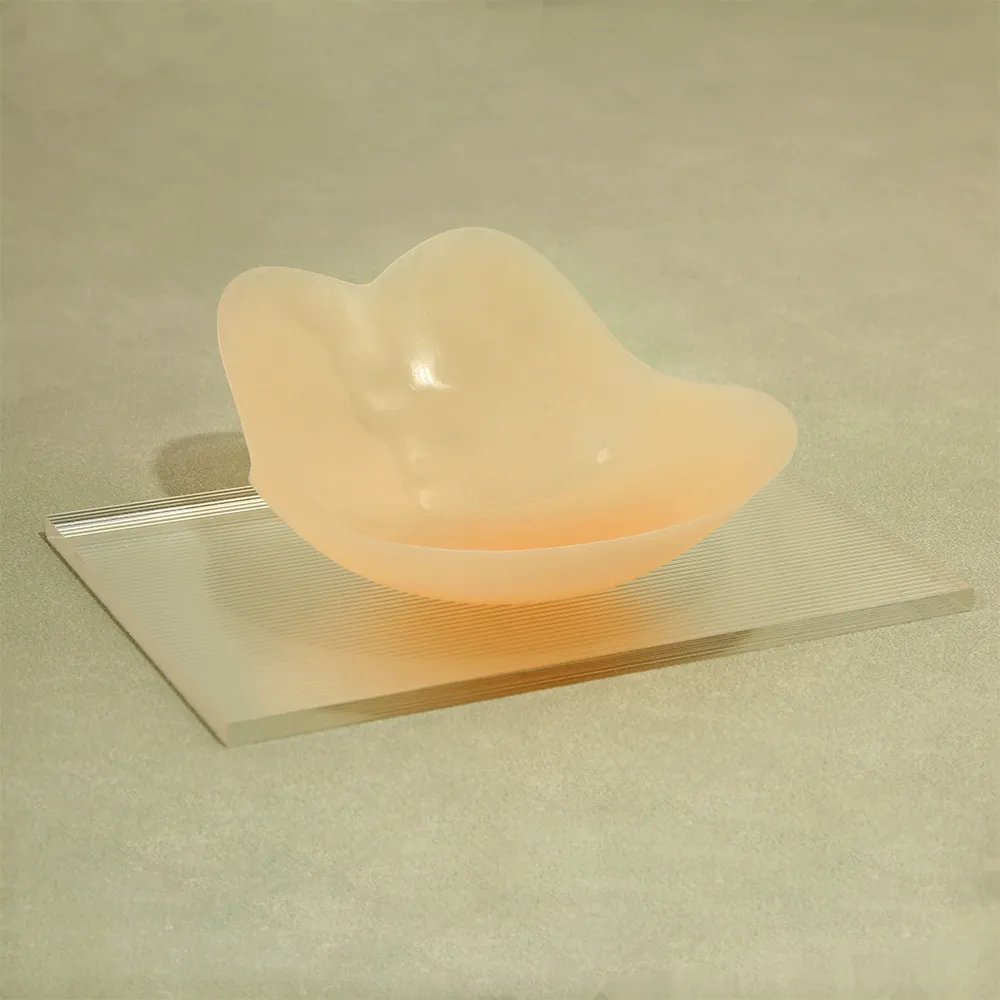
Dust absolutely messes with your nipple covers, but it doesn’t “kill” them instantly—what it really does is coat the adhesive, block the stick, and shorten how many wears you get out of each pair. The good news: with the right washing routine, smart storage, and a few no‑nonsense habits, you can dramatically extend their life and keep them gripping like new.
Mục lục
So… Does Dust Actually Destroy Your Nipple Covers?
Short answer you’re probably feeling in your soul: it feels like it does.
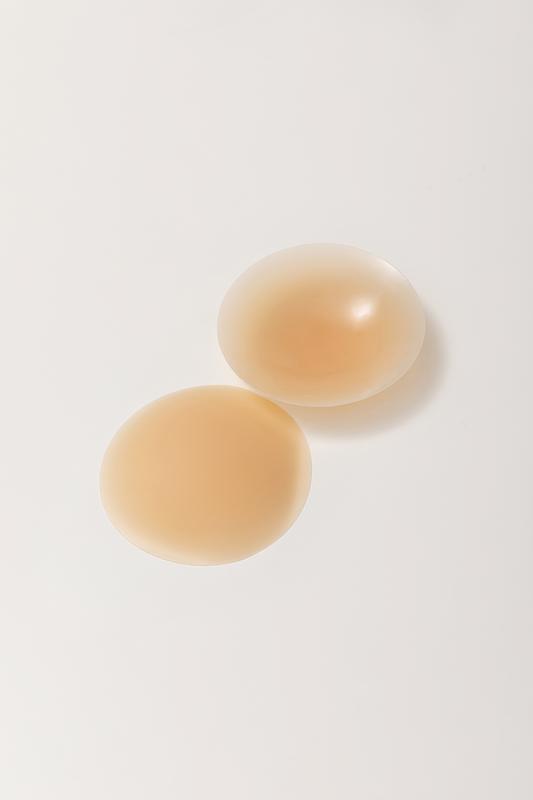
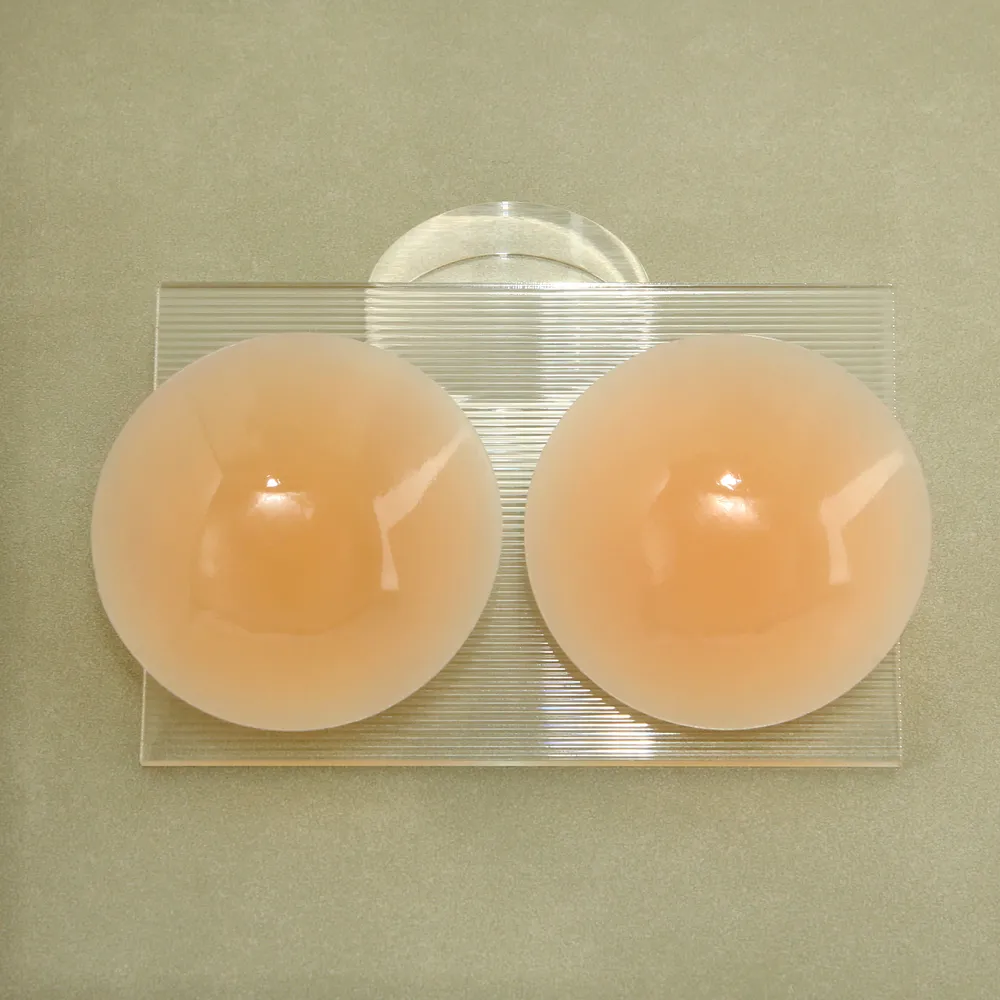
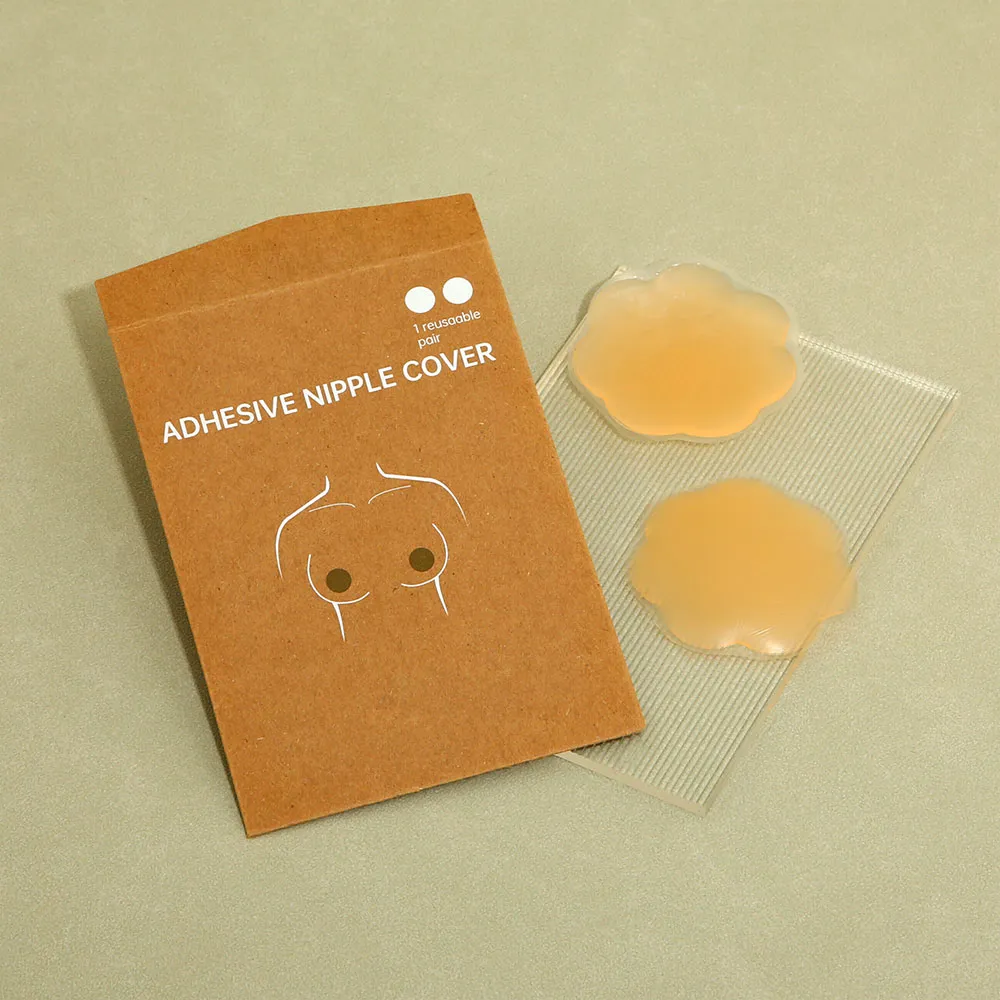
Here’s what’s really going on. Most reusable nipple covers use a soft silicone gel or similar adhesive that’s designed to cling to clean, dry skin, not lint, dust, or fabric fibers. When dust gets on that surface, it sticks there instead of to your body, so the cover slides, peels at the edges, or flat-out falls off mid-outfit.
Over time, that layer of lint and dust builds up and makes the adhesive surface look cloudy instead of glossy and tacky. If you’ve ever looked at your covers and thought, “Why do these suddenly look kind of furry?”—that’s dust slowly sabotaging your night out.
How Nipple Cover Adhesive Really Works (In Normal Human Terms)
Think of the adhesive like a slightly sticky gel cushion.
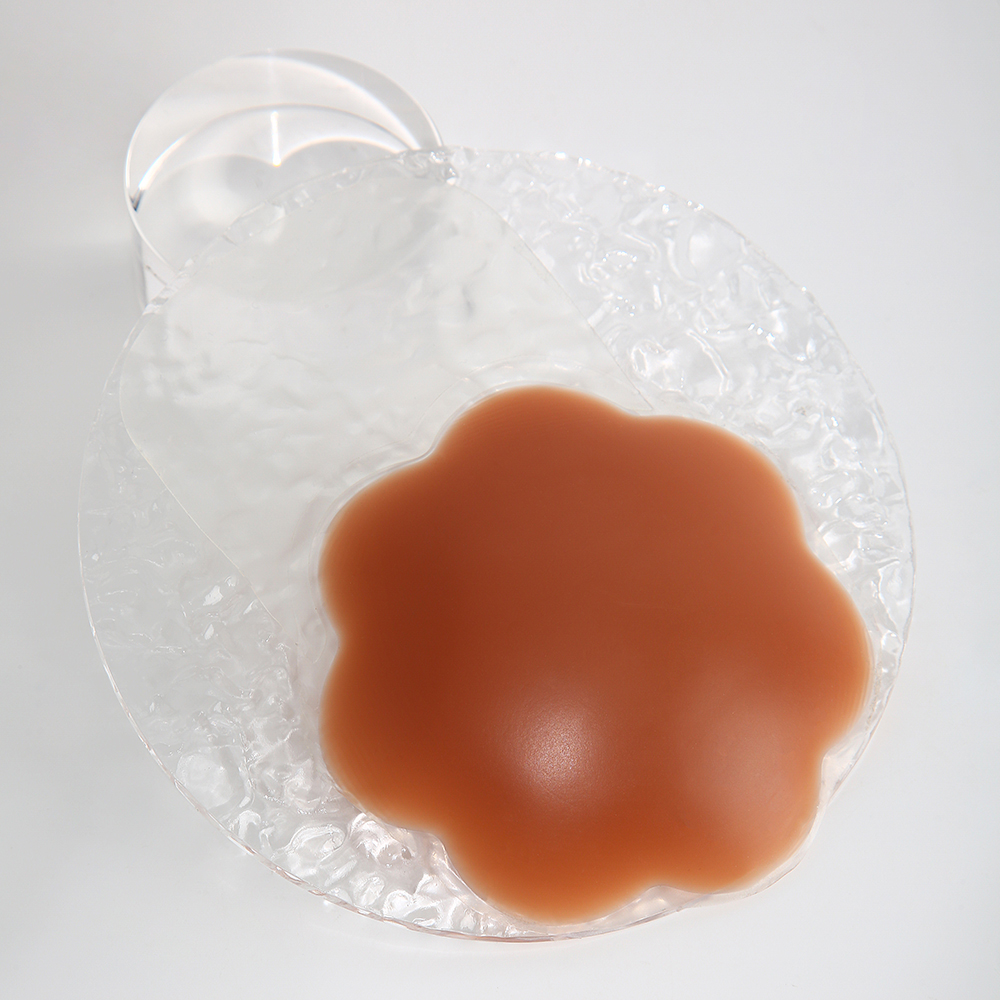
- Most reusable silicone nipple covers use “medical-grade” silicone adhesive or silicone gel that’s safe for skin and meant to be worn for several hours at a time.
- When the adhesive is clean and dry, it creates a gentle, even grip over your skin, like a soft suction effect rather than a strip of duct tape.
- Many brands say you can get anywhere from around 20 to 40+ wears out of one pair if you actually care for them properly.
Now here’s the catch. That “sticky but gentle” formula is sensitive. Oils, sweat, lotions, perfume, and yes—dust—get between the adhesive and your skin. Suddenly the gel is bonding with everything except your boobs.
If you’re shopping around and want a pair that’s designed for reusability rather than one‑and‑done, it’s worth looking at options like miếng che núm vú có thể tái sử dụng hoặc nắp núm vú bằng silicon styles that are meant to handle multiple washes and wears.
How Dust Sneaks Onto Your Nipple Covers (And Why It Happens So Fast)
You don’t have to drop them on the floor for dust to find them.
Here are the main ways dust and lint end up embedded in that adhesive:
- Tossing them naked into a drawer or bag
If you just peel them off and throw them into a drawer, makeup bag, or gym tote, every tiny fiber in there treats the adhesive like a party invitation. - Letting them air-dry in dusty spaces
Air-drying is good. Air-drying on a bathroom counter that’s constantly collecting hair, powder, and random lint? Not so much. - Pressing them onto towels or tissues
Patting the adhesive side with a towel to “help them dry” is basically gifting them a fluffy layer of lint they’ll never fully recover from. - Leaving off the protective backing
Many guides specifically say to put the plastic film or backing back on after they’re dry—because dust drastically reduces the adhesive’s effectiveness. When that backing disappears, the countdown to ruined adhesive speeds up. - Rubbing instead of dabbing when you clean them
Aggressive scrubbing can rough up the surface and trap particles deeper into the gel, especially if the water isn’t clean or you’re using a linty cloth.
It’s not that dust “melts” or chemically breaks the adhesive. It just clogs it. Layer by layer. Until your nipple covers are… decorative at best.
How Long Should Good Nipple Covers Last?
Let’s be real: no nipple cover lasts forever, especially if it’s holding up under sweat, heat, long nights, and backless dresses.
That said, you should absolutely get multiple wears out of a decent reusable pair if you treat them kindly.
- Many silicone nipple cover brands say you can expect around 20 or more uses with proper care.
- Higher-end reusable silicone covers are often marketed as lasting dozens of wears, sometimes in the 30–50 uses range when you keep them clean and stored well.
- Some people report using the same pair daily for weeks or months, as long as they wash with mild soap, air‑dry, and protect the adhesive from lint.
If yours are dying after 3 or 4 light uses, you’re not “too sweaty” or “doing it wrong with your skin”—most of the time, it’s care and dust exposure.
If you’re going braless a lot or rely on pasties under thin tops, investing in a solid miếng che ngực bằng silicon hoặc miếng dán núm vú silicon có thể tái sử dụng can be more cost‑effective than constantly buying cheap one‑time covers.
The Right Way to Clean Adhesive Nipple Covers (So Dust Doesn’t Win)
This is where most people ruin their covers without realizing it.
Here’s a care routine that actually respects the adhesive:
1. Clean them soon after wear
Don’t shove them back in the tray sweaty and oily.
- Rinse the covers under lukewarm water to remove sweat and surface debris.
- Use a mild, fragrance‑free soap without added moisturizers—rich lotions and harsh detergents can weaken the adhesive over time.
2. Use your fingers, not cloths, on the sticky side
Your fingertips are better tools than towels here.
- Gently massage the adhesive side with your fingers to lift oils and dust.
- Avoid washcloths, makeup wipes, or sponges on the adhesive—most shed fibers that stick to the gel.
3. Rinse thoroughly
Soapy residue is just as bad as dust because it leaves a filmy layer over the adhesive.
- Rinse until the surface feels clean and slightly tacky when wet, not slippery.
4. Air-dry the right way
This step makes or breaks their future stickiness.
- Lay them adhesive side up on a clean, lint‑free, flat surface to air‑dry completely.
- Don’t pat the adhesive with towels, tissues, or clothing—they leave fibers that cling permanently.
- Avoid hair dryers or direct heat, which can weaken the adhesive layer.
5. Use the protective film or backing
Once fully dry, give the adhesive a shield.
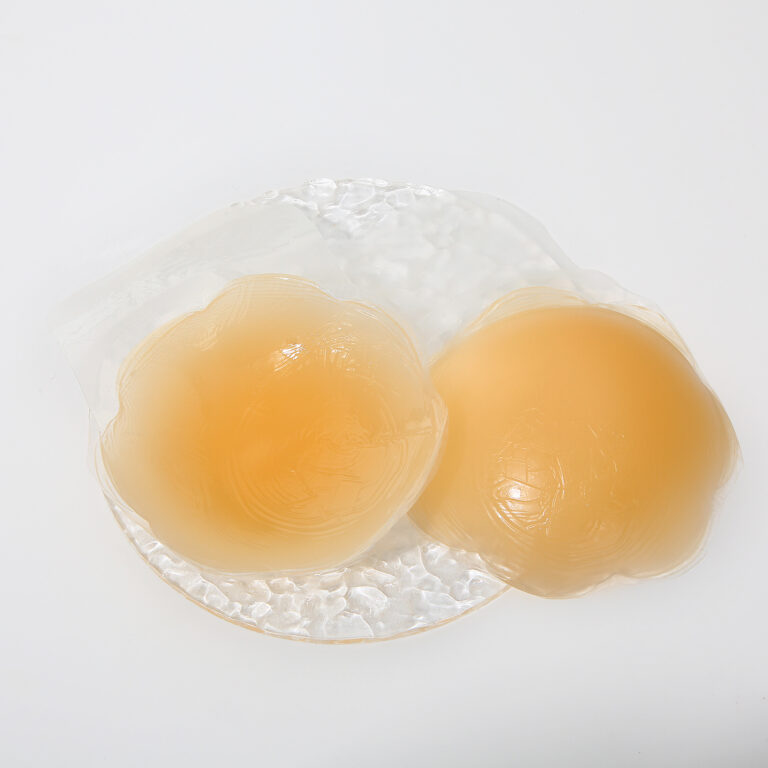
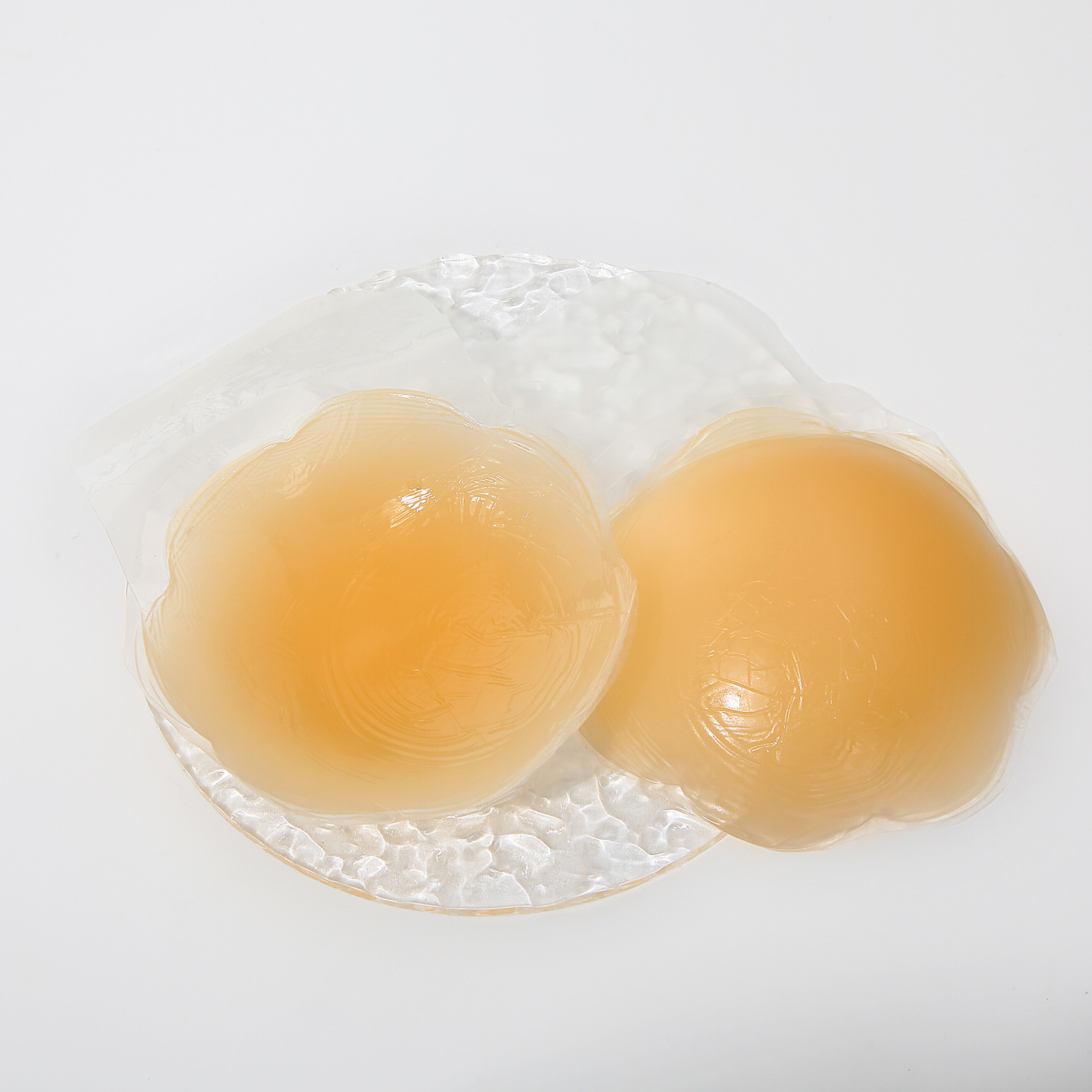
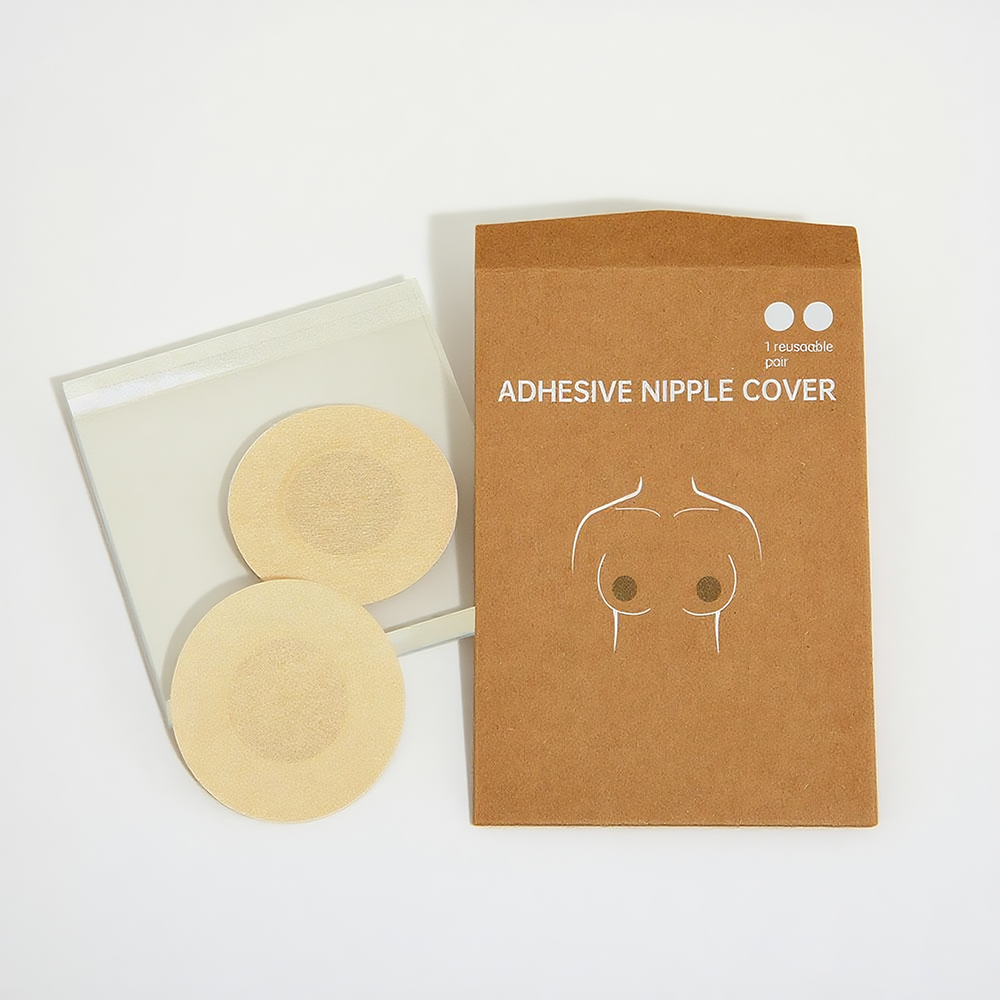
- Reapply the original plastic backing or use cling film or a smooth plastic sheet to cover the adhesive surface.
- This barrier keeps dust, hair, and random drawer debris away while they sit between wears.
Handled this way, your covers stand a real chance of hitting those promised 20+ uses instead of tapping out after a weekend.
What To Do If Your Nipple Covers Are Already Dusty
If you’re reading this with a pair that currently looks like they rolled across a bathroom rug, you’re not alone.
You may be able to revive them a bit—up to a point.
- Try a proper wash first
Wash with lukewarm water and mild soap, using only your fingers on the adhesive, then let them air‑dry fully adhesive side up. Often, just removing built‑up body oils helps the adhesive feel more tacky again. - Use lint-free contact, not tape
Some guides recommend dabbing gently with a lint-free cloth if there are a few loose fibers, but avoid using tape or anything super sticky—it can pull at the adhesive and damage it further. - Know when they’re done
If, after a proper wash and dry, they still won’t stick or the surface looks rough, cloudy, or permanently fuzzy, that adhesive layer is likely worn out. At that point, it’s not about dust anymore; it’s just time for a new pair.
If you’re replacing them anyway, that’s a good moment to upgrade to something reusable that’s designed for long‑term wear, like miếng dán núm vú bằng silicon hoặc nắp núm vú bằng silicon styles from a dedicated nipple cover shop.
Daily Habits That Quietly Ruin the Adhesive
Sometimes the problem isn’t a single big mistake; it’s a bunch of tiny ones.
Here are habits that slowly sabotage the stick:
- Applying body lotion, oil, or perfume right under where the cover sits.
- Wearing them for super sweaty workouts or all-day events without washing them afterward.
- Peeling them off roughly and bending them inside out, which can lift or stretch the adhesive film.
- Storing them loose with bras, socks, or clothing instead of on a backing.
Nothing dramatic. Just slow, steady damage.
If you use nipple covers a lot, it might also help to rotate between pairs—especially if you’re also using related products like băng dán cơ thể, băng dán ngực, hoặc băng dán ngực to support outfits with tricky necklines. That gives each adhesive surface time to fully dry and recover between wears.
Fabric vs Silicone: Which Handles Dust Better?
Dust doesn’t care what material you pick, but it does behave a little differently.
Here’s a quick breakdown:
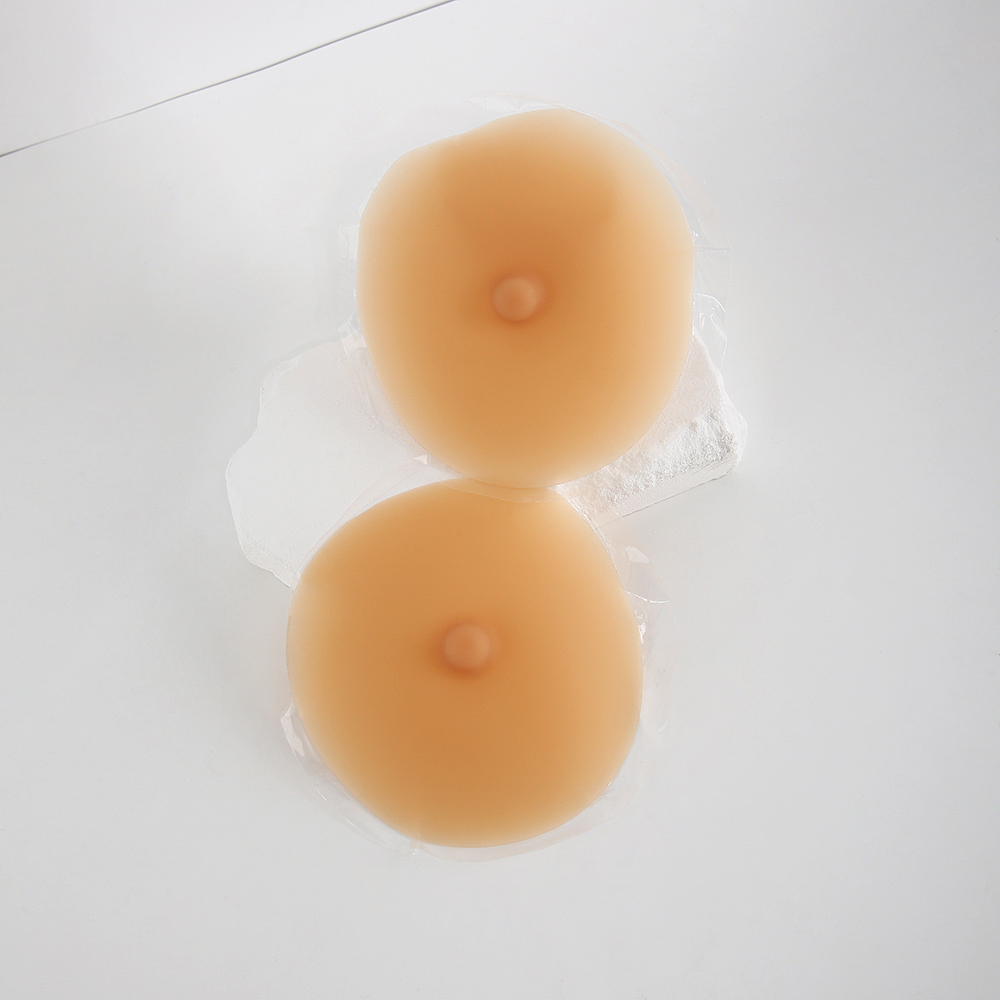
- Miếng lót núm vú bằng silicon
- Usually reusable and washable, with a smooth gel adhesive that can regenerate some tack after cleaning.
- Dust sticks hard to the adhesive but can often be reduced with proper washing.
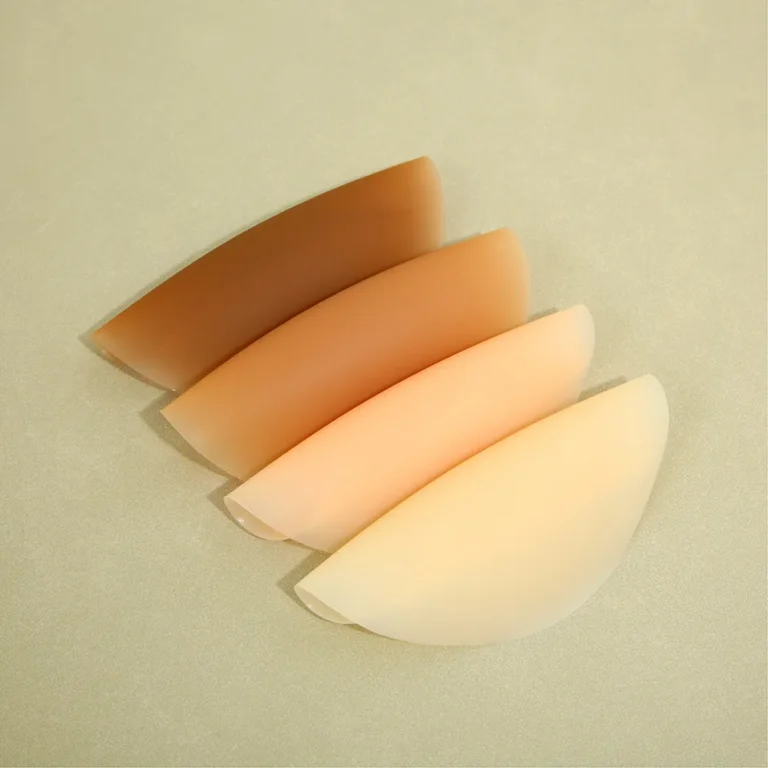
- Great for seamless, “nothing there” looks under thin or tight fabrics.
- Miếng che núm vú bằng vải
- Often made with cotton, polyester, or Lycra blends.
- Adhesive may not be as long‑lasting as high‑quality silicone and can be more affected by repeated washing and friction.
- Some are disposable; some reusable but with a shorter lifespan.
If your main issue is that covers die too fast, a well‑made nắp núm vú silicon có thể tái sử dụng hoặc miếng dán silicon tái sử dụng is usually the better long‑term bet.
How to Store Nipple Covers So Dust Stays Away
Storage is where most people get lazy. Totally understandable. Also totally avoidable.
Here’s a simple storage routine that actually works:
- Always let them fully dry before storing
Even a slightly damp adhesive surface can grab onto every bit of dust around it. - Use the original tray or packaging if you have it
Those little plastic shells aren’t just for aesthetics—they’re built to protect the shape and shielding the adhesive from dust. - Keep the backing on—always
Once dry, stick the covers back onto their backing film, or onto a clean plastic sheet, adhesive side protected. - Store them in a closed bag or drawer
A small pouch, box, or organizer compartment keeps them away from random fibers and lint from clothes and towels.
If your current pair came loose in some boring plastic and you tossed it, that’s okay. You can store them on any smooth, non‑fibrous surface (like clear plastic) and then slip them into a pouch or box.
When It’s Time to Break Up With Your Old Covers
There is a point where you’re allowed to stop trying to resuscitate an exhausted pair.
It’s probably time to replace your nipple covers if:
- The adhesive doesn’t feel tacky even right after a proper wash and air‑dry.
- The edges keep peeling no matter how clean and dry your skin is.
- The surface looks degraded—cracked, rough, or permanently fuzzy with lint.
- They’ve already lasted months or the number of wears the brand suggested, and performance has clearly dropped.
Remember, many brands say even good silicone nipple covers aren’t designed to last forever—just for dozens of uses when cared for well. If you got that level of mileage, they actually did their job.
When you’re ready to upgrade, you can explore options like miếng che ngực bằng silicon, miếng che núm vú có thể tái sử dụng, hoặc nắp núm vú bằng silicon styles tailored to different outfits, skin tones, and support levels.
The Real Secret: Treat Them Like Part of Your Wardrobe, Not a Throwaway
If nipple covers are the thing that lets you wear that backless dress, that sheer top, that clingy tee—with confidence—then they’re not “just stickers.” They’re part of your wardrobe.
And anything that touches skin, sweat, and tight fabric needs a little care.
Dust doesn’t magically destroy your nipple covers, but it absolutely wrecks the adhesive if you let it pile up and never wash or protect them. With a quick rinse, air‑dry, and consistent use of the backing film, you can keep them gripping strong for far longer than a few nights out.
So next time you peel them off after a long day or a late night, don’t just fling them into the abyss of your drawer. Give them 60 seconds of care.
Your future self—standing in front of the mirror, wearing that risky top, not worrying about a wardrobe malfunction—will be very, very grateful.