-
C/O 2221 Remington Ave, Ontario, California

Copricapezzoli Riutilizzabili: 50 utilizzi sono un obiettivo realistico?
Copricapezzoli Riutilizzabili: 50 utilizzi sono un obiettivo realistico?
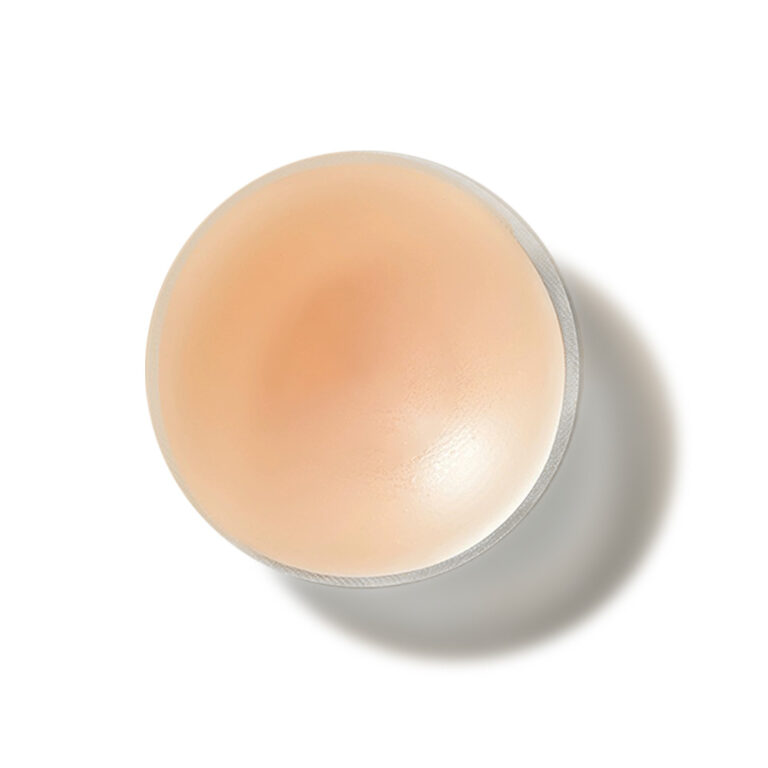
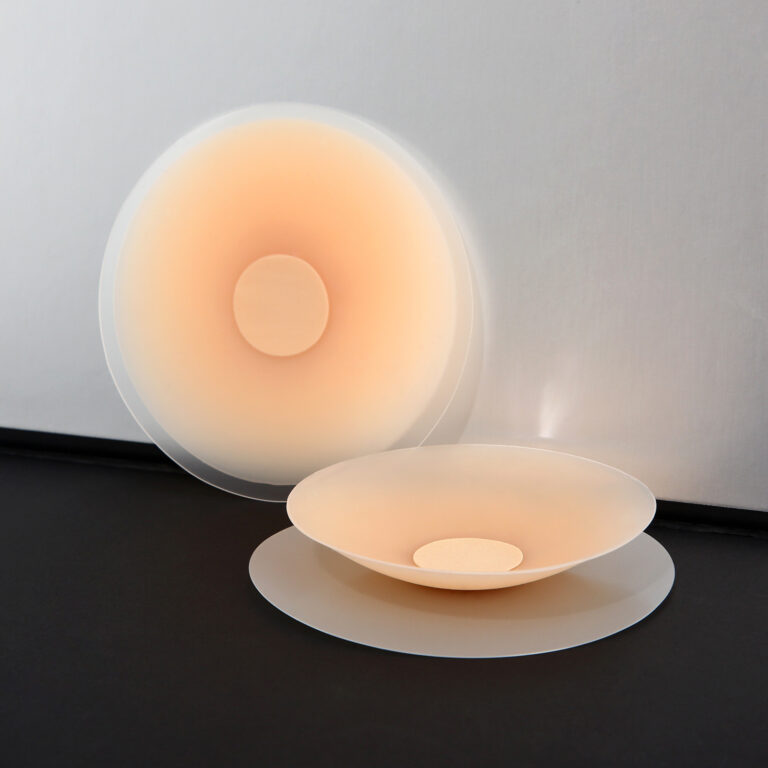
Short answer: yes, but only for a good pair under ideal care — and even then, 50 wears is more of an upper-end target than a promise. Most reusable silicone nipple covers are marketed or described in the 15 to 30 wear range by care guides and product pages, while some brands and guides claim up to 50 uses with proper handling.
The box number is only part of the story. How long reusable nipple covers actually last depends on skin prep, sweat, storage, cleaning habits, body chemistry, and the quality of the silicone adhesive itself.
What does “50 wears” actually mean?
In most cases, it means 50 carefully handled uses, not 50 careless nights out. If the covers are gently rinsed, fully air-dried, and stored in a clean, dust-free case, they’ll usually last much longer than a pair that gets tossed into a makeup bag or worn on oily skin.
In product language, “wears” can be a little slippery. One brand may count a few hours of use as a wear, while another assumes a full evening, so the same “50 wears” claim can mean very different things in practice.
Why do some covers last longer than others?
Because the silicone itself usually holds up fine, but the sticky part is what wears out first. Oils, dust, moisture, heat, and rough cleaning all chip away at the adhesive over time.
A few things make a big difference:
- Skin oil or lotion on the chest before wearing them can make them lose grip faster.
- Humidity and sweat can weaken the adhesive pretty quickly.
- Harsh soap, alcohol wipes, heavy scrubbing, and heat can all damage the sticky layer.
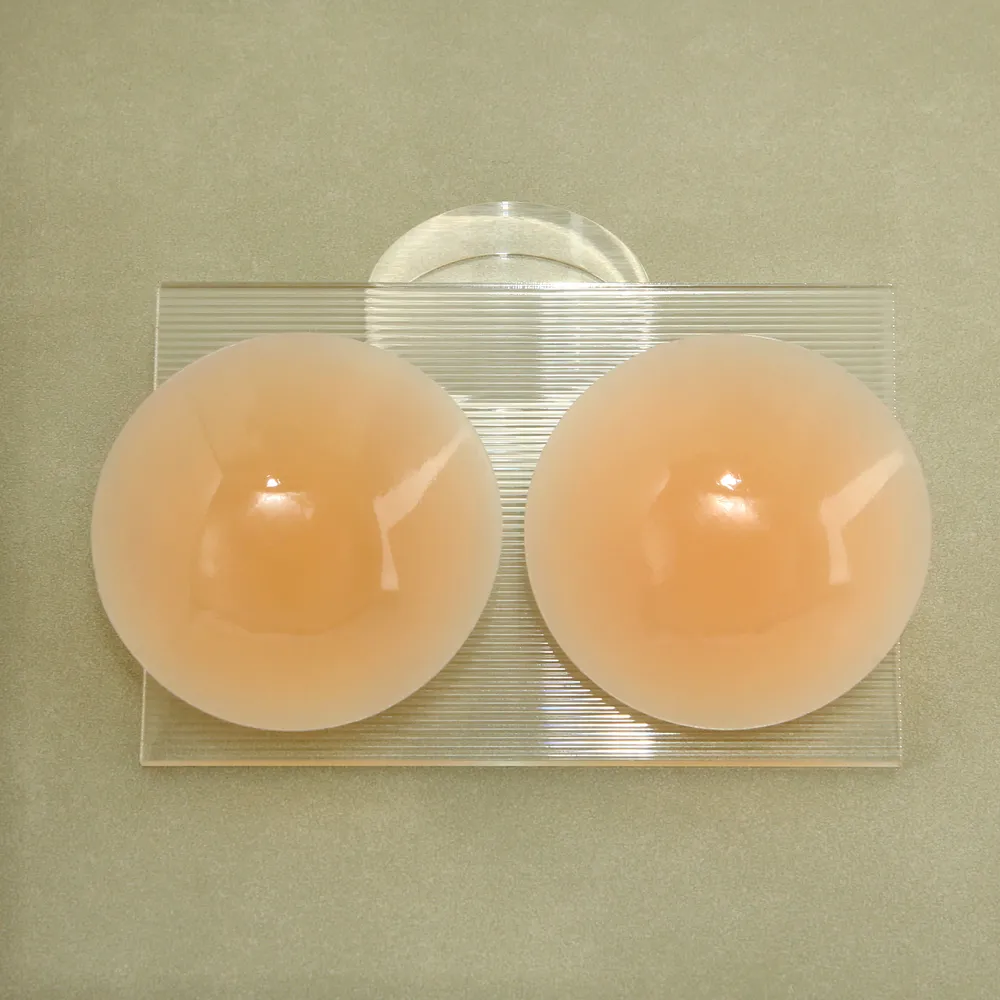
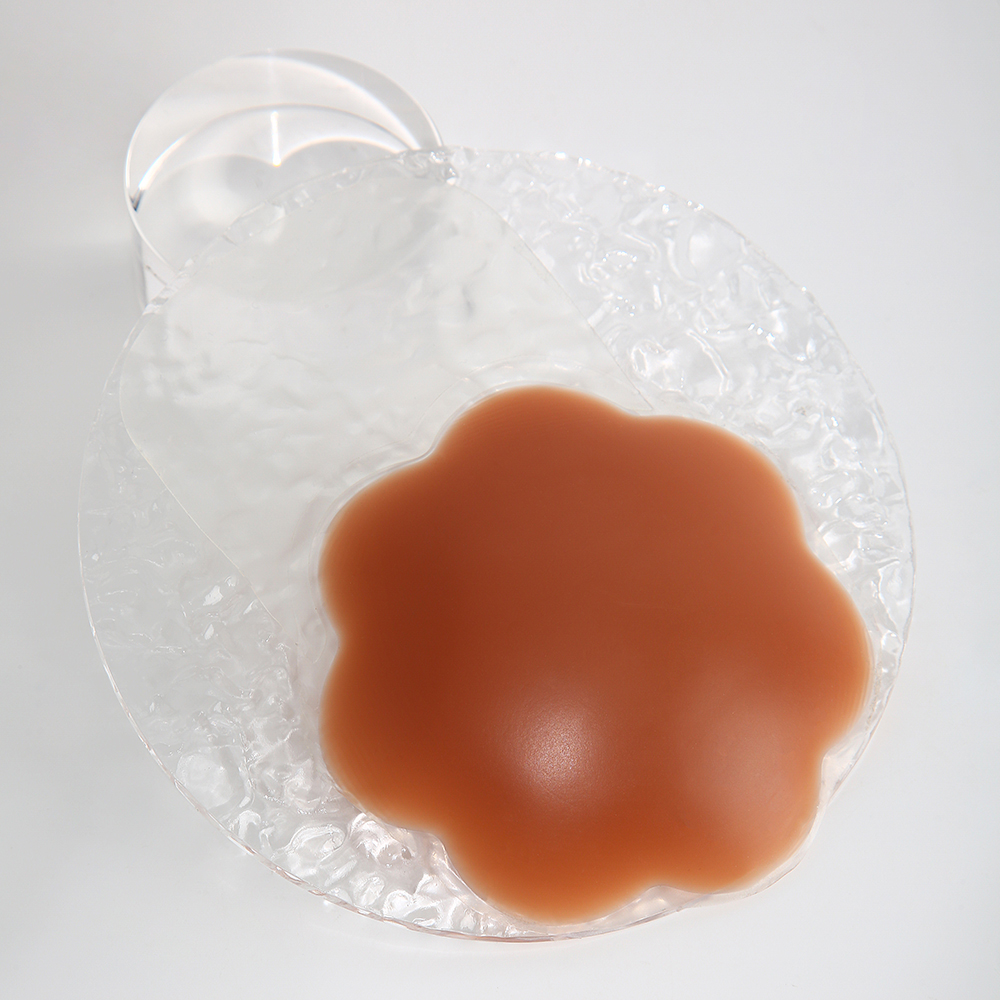
- Keeping them in a clean case or the original tray helps keep lint and dust off the surface.
- If you want, I can keep rewriting the rest of the article in this same more human, less polished style.
Can most people really reach 50 wears?
Honestly, most people won’t hit 50 unless they’re very disciplined and the product is high quality. The more typical lifespan cited by care guides is closer to 15 to 30 wears, and cheaper options may fail even sooner.
I’d treat 50 wears like a best-case scenario. If you wear them occasionally, clean them properly, and avoid sweat-heavy settings, you might get close. If you wear them often under hot lights, dance, commute, or use body lotion regularly, 50 will feel optimistic.
What makes a pair last longer?
The biggest difference is boring, unglamorous care. That’s the truth nobody puts on the packaging.
How should you clean them?
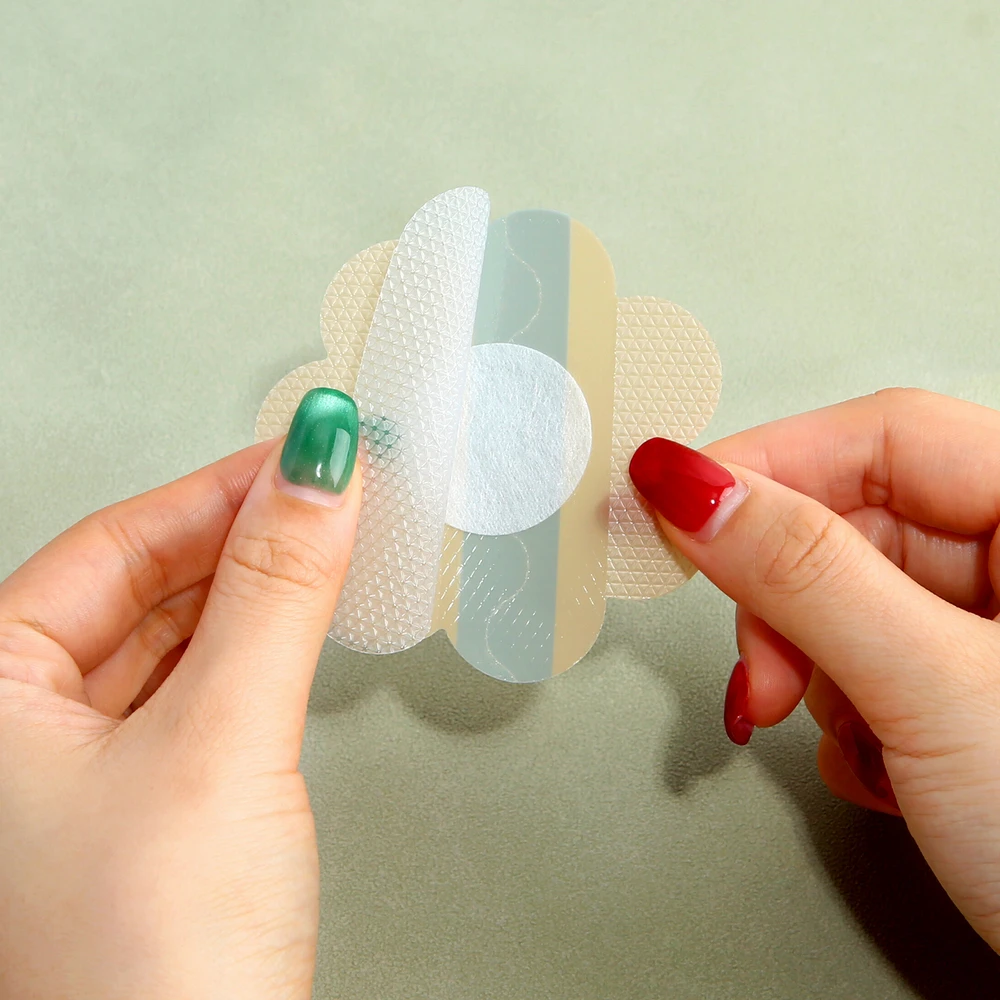
Wash them gently with lukewarm or cold water and a little mild soap. Use your fingertips, not anything rough, because the adhesive can wear down fast if you scrub too hard. Skip alcohol, strong detergents, makeup remover, and aggressive cleaning if you want them to last longer.
How should you dry them?
Air-dry only. Let them dry adhesive-side up on a clean surface, and don’t use towels or hair dryers. Heat can warp silicone and weaken adhesion.
How should you store them?
Put them back in their original tray, case, or another clean dry container so dust and lint don’t cling to the adhesive. Keep them away from humid bathrooms, hot cars, and heavy pressure.
What ruins them fastest?
Oil, sweat, and lazy storage. That trio is basically the enemy of reusable nipple covers.
Common mistakes include:
- Putting on lotion or oil before wearing them.
- Pulling them off too fast instead of easing up the edges first.
- Tossing them into a drawer where lint can stick to the adhesive.
- Washing them with harsh soap, alcohol, or rough materials.
- Leaving them in direct sunlight or high heat.
- How do you know it’s time to replace them?
How do you know it’s time to replace them?
It’s time to replace them when the adhesive doesn’t bounce back after cleaning. If they keep slipping, feel less sticky, or no longer hold the way they used to, they’ve probably reached the end of their life.
Other warning signs:
- The edges start fraying or peeling.
- The surface looks discolored or worn out.
- They smell odd even after cleaning.
- They lose grip even on clean, dry skin.
Is 50 wears realistic for buyers?
Yes, but only if the buyer knows what really goes into making them last. For a premium product, 50 wears can be a believable target when the silicone is solid, the adhesive is well made, the manufacturing quality is good, and the care instructions are actually followed.
For everyday consumers, I’d frame it more honestly: “up to 50 wears under ideal care.” That wording feels more believable than a blanket promise. It also protects trust, which matters a lot more than an inflated number that disappoints people later.
What should brands say instead of just “50 wears”?
Brands should explain the conditions behind the claim. That makes the promise more believable and easier for shoppers to compare.
A better product claim would include:
- The wear range, such as 15–30 or up to 50 uses.
- The cleaning method required.
- The storage method required.
- A note that sweat, oil, and heat shorten lifespan.
That kind of language feels more human because it admits the truth: product life depends on use.
The TL;DR
Here’s the practical version:
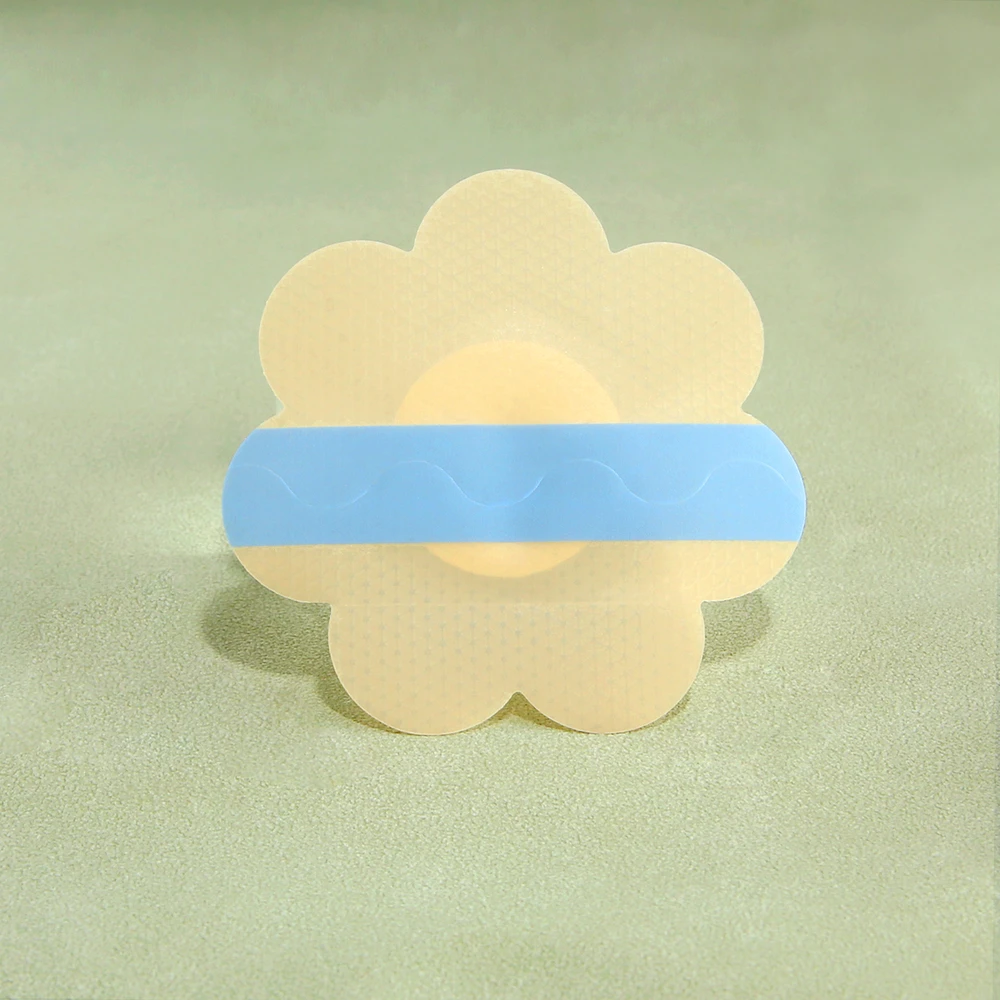
- 50 wears is possible, but it’s an upper-end goal, not the average outcome.
- Many reusable nipple covers are more realistically expected to last 15 to 30 wears with proper care.
- Clean them gently.
- Let them dry completely.
- Store them in a clean, dust-free case.
- Keep in mind that lotion, oil, sweat, heat, and rough washing can wear them out much faster.
- If they still won’t stick well after cleaning, it’s probably time to replace them.
So yes, 50 wears can be realistic. But only for the neat freak version of the user, not the “I’ll just throw them in my bag and hope for the best” version.
A better way to say it would be: “Designed for up to 50 wears with proper care.”
It feels honest, flexible, and easy to believe.
And really, that’s the sweet spot. Shoppers don’t need hype — they need a number they can trust, plus simple instructions that show them how to get there.
One more thing: if a product only lasts when people follow the care steps, then the packaging, the insert card, and even the after-sales guidance matter just as much as the silicone itself.