-
C/O 2221 Remington Ave, Ontario, California

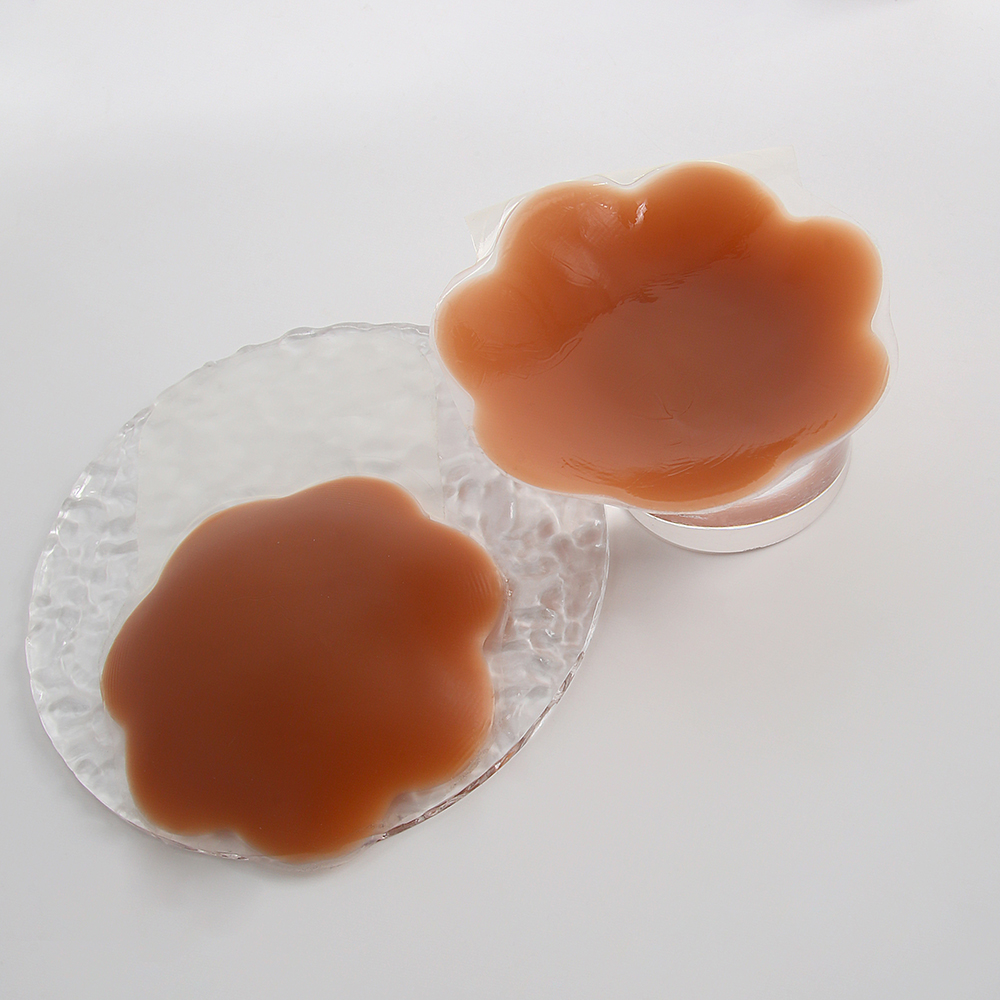
The Science of Medical-Grade Adhesive: Why Some Pasties Last Longer.
If you’ve ever peeled off a nipple pasty at 2 a.m. and thought, “How on earth is this thing still glued to me?”, you’re not alone. And if you’ve also had the other experience — the tragic bathroom moment where one side slowly… lets… go — you’ve seen the difference between cheap stick and true medical‑grade adhesive.
This isn’t random. There’s real chemistry behind why some nipple covers hang in there through sweat, dancing, and bad decisions, while others give up halfway through happy hour.
Let’s talk about it like adults who care about boobs, skin, and not flashing the waiter.
Sisukord
Why Some Pasties Quit By 9 p.m.
Think of adhesives as personalities.
- Some are intense but short‑lived.
- Some are gentle but clingy in all the right ways.
- Some look promising… then ghost you as soon as you sweat.
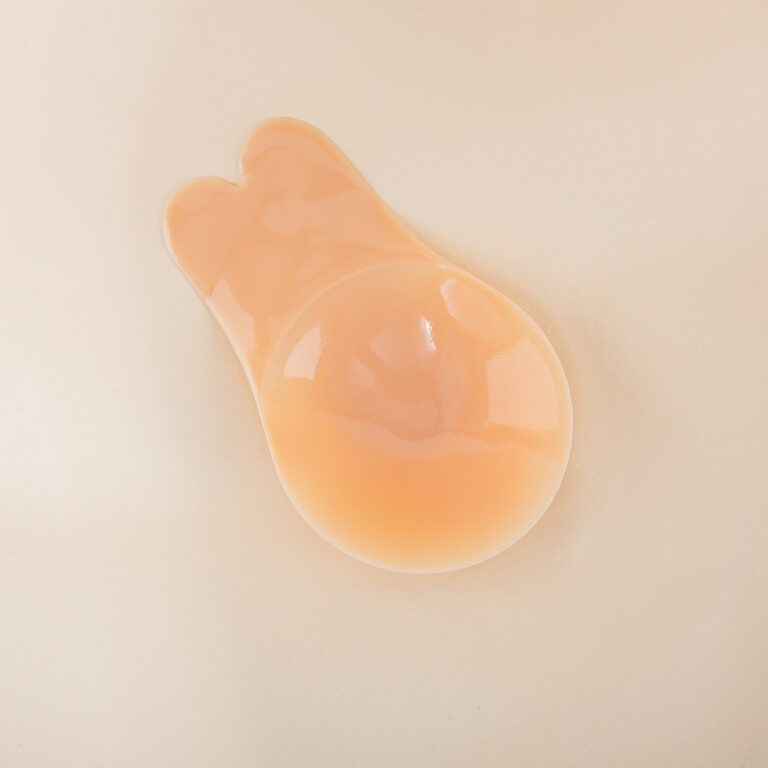
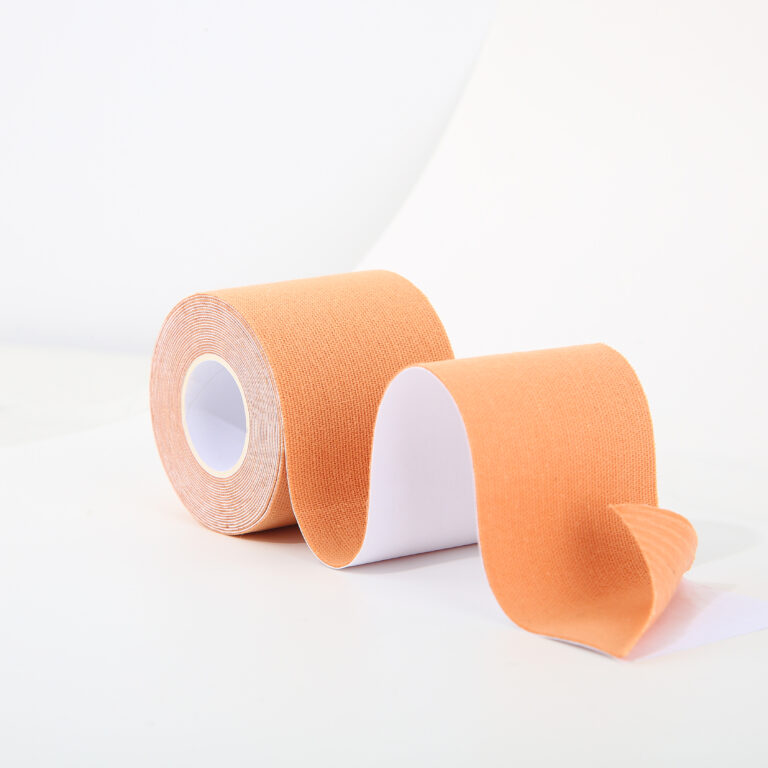
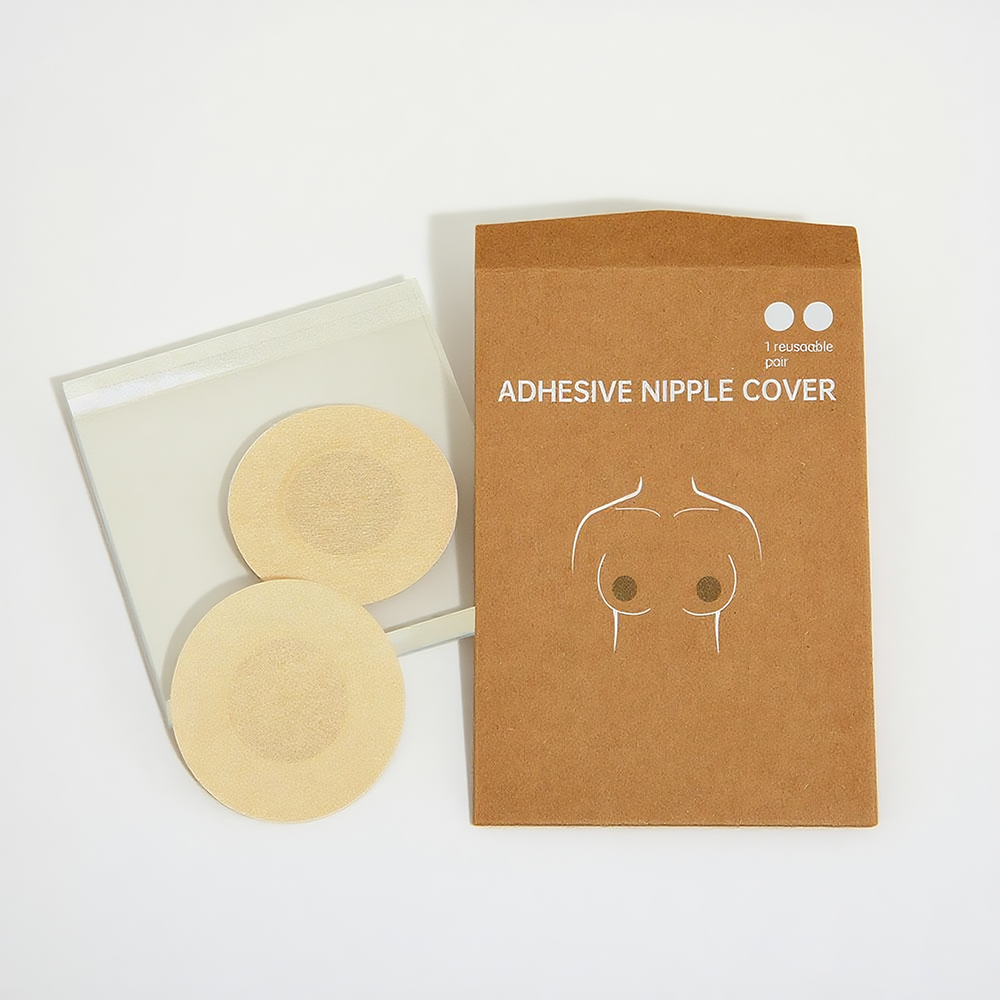
Most disposable paper or fabric pasties use acrylic-based pressure-sensitive adhesives — basically the same family as bandage or tape glue. They stick hard at first, love dry skin, and are made for one-and-done wear. Once you peel them off, a lot of that adhesive has shifted, stretched, or stayed on your skin, so round two is a mess.
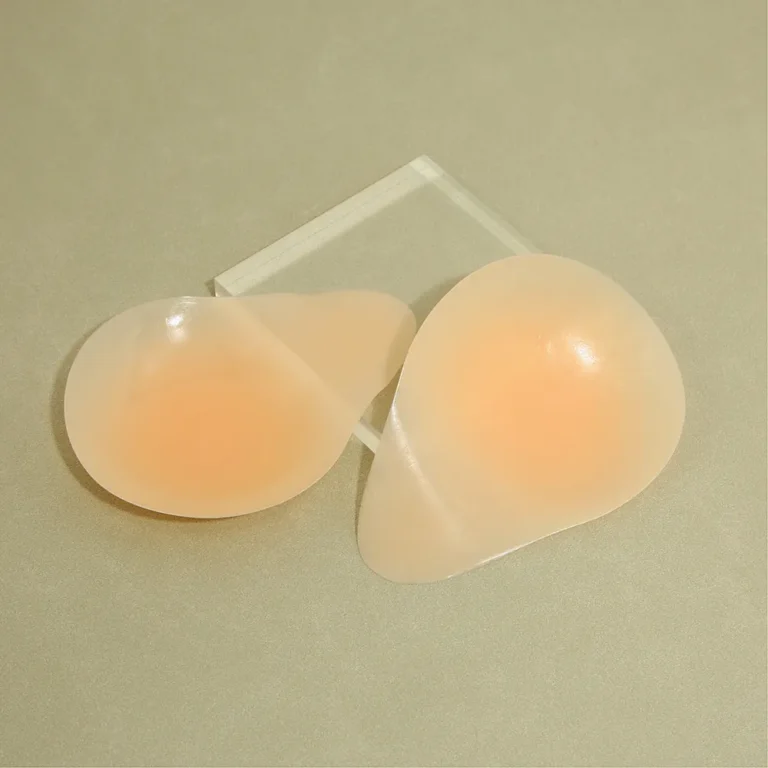
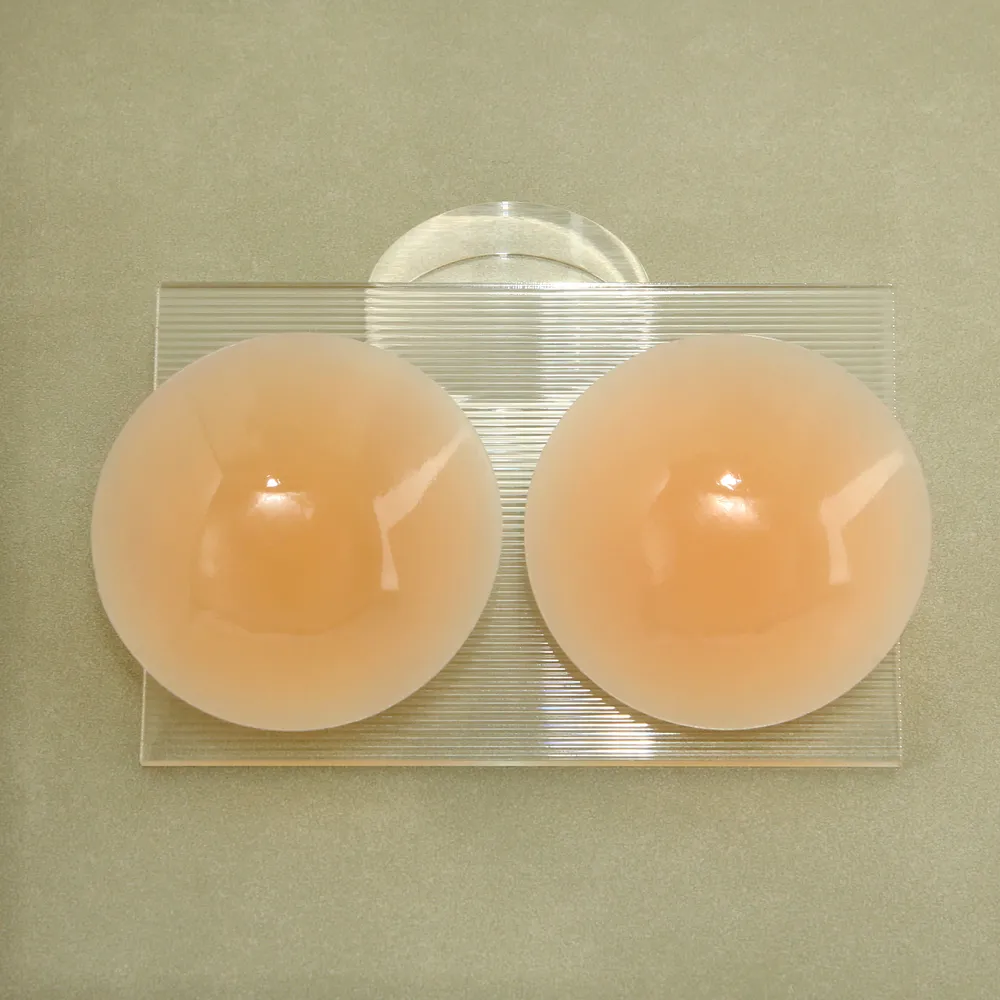
Medical‑grade silicone, on the other hand, plays a different game. It’s designed for long-term skin contact in medical devices and dressings, so it has to stay put without wrecking your skin barrier. That same technology is what the better reusable nipple covers and silikoonist rinnakate kasutada.
So when one pasty dies before dessert and another survives a full wedding plus the after‑party? You’re basically seeing acrylic vs silicone, cheap PSA vs medical‑grade skin adhesive.
What “Medical-Grade” Adhesive Really Means
“Medical‑grade” isn’t just fancy marketing fluff. It’s about safety and performance standards.
Companies that make silicone for medical use test it under ISO 10993 and USP Class VI standards to make sure it doesn’t irritate skin, doesn’t set off allergies easily, and doesn’t leach nasty stuff into your body. That’s the same level of care used in wound dressings, tubing, and implants — not just sticky bras.
Here’s what that usually means in practice:
- Biocompatible: The adhesive is formulated so it’s far less likely to cause rashes, burning, or sensitization, even with long wear.
- Stable: It doesn’t break down fast with heat, sweat, or movement, which is why good silicone nipple covers can last for dozens of wears when you treat them right.
- Gentle removal: Medical silicone is engineered to “let go” without tearing the top layer of skin, which is why silicone dressings are used on fragile or healing skin.
So when you see a reusable silicone nipple cover or silicone adhesive nipple cover that brags about using medical‑grade silicone? That’s the kind of background we’re talking about — the same adhesive family used on medical tapes designed for extended wear.
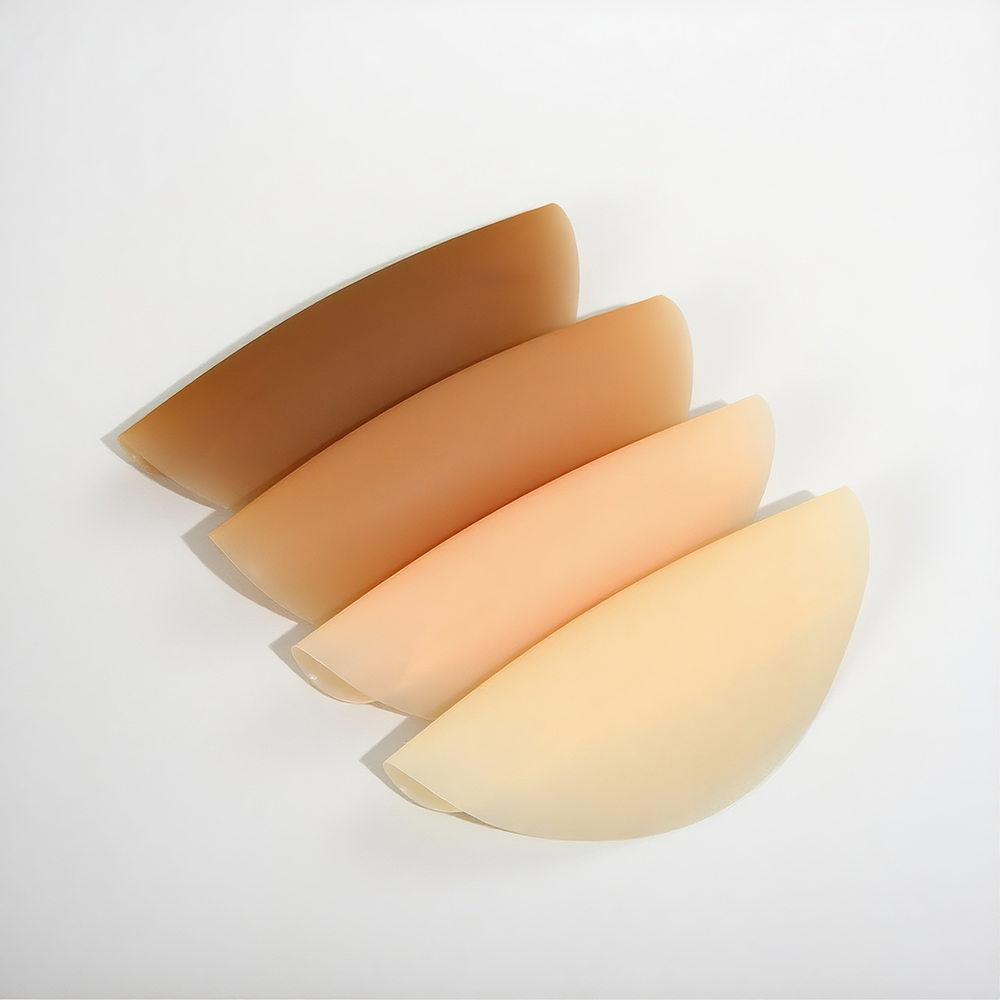
The Nerdy Bit: How Pressure-Sensitive Adhesive Grips Skin
Now the fun part — how this glue actually works on your boobs.
Pressure‑sensitive adhesives (PSAs) don’t need heat or extra chemicals. They just need… pressure.
Here’s the basic science in plain language:
- They behave like a thick liquid at first.
When you press a pasty onto your skin, the adhesive flows into all the tiny hills, pores, and hair stubble so it can “wet out” the surface. - Then they act like a stretchy solid.
Once they’ve spread, the polymer network behaves like a soft elastic layer, so it can flex with your movement without popping off. - The sweet spot is the balance.
Too liquid? It oozes and slides, especially with sweat. Too stiff? It doesn’t make enough contact and lifts at the edges.
For skin, there’s even a target range: research suggests the adhesive’s modulus (basically: stiffness) should be in the same ballpark as skin — around 0.1–0.3 MPa — so it moves with your body instead of fighting it. That’s one reason silicone-based PSAs are so popular in medical wear: they’re soft, flexible, and forgiving.
And that translates directly to the pasties that don’t ping off when you raise your arms.
Silicone vs Acrylic: Why Silicone Pasties Keep Winning
Let’s put the two main adhesive types side by side, because this is where “Why do some pasties last longer?” really shows up.
| Funktsioon | Silicone-based adhesive | Acrylic-based adhesive |
|---|---|---|
| Typical use | Reusable silicone nipple covers, medical dressings, long-wear skin products | Disposable nipple patches, cheap pasties, basic tapes |
| Wear time | Designed for extended wear with comfort; holds up through sweat and movement when applied correctly | Strong early stick, often weakens with sweat, oils, friction; usually one-time use |
| Korduvkasutatavus | Adhesive “regenerates” after gentle washing and air drying; can last many cycles | Loses tack quickly once removed; not made to be reused |
| Skin feel | Soft, gentle, better for sensitive or frequently shaved areas | Can feel harsher and more “rippy” on removal |
| Safety profile | Often tested to medical biocompatibility standards like ISO 10993, USP Class VI | Can be safe for short contact, but not always tested at the same medical level |
If you’re looking at a reusable nipple cover with medical‑grade silicone adhesive, you’re essentially buying into that first column — stability, gentle removal, multiple wears. A lot of lower-cost disposable nipple cover options fall into the second.
So yes, the “why” behind longer‑lasting pasties is literally in the chemistry.
Your Skin Is Also Part of the Equation
Now for the part no one wants to hear: sometimes it’s not the pasty. It’s your prep.
Adhesives are obsessed with surface energy, oils, water, and texture. Skin just happens to be a chaotic mix of all of that.
A few things that quietly sabotage longevity:
- Body oil and lotion
Anything slick blocks the adhesive from making full contact, which means weaker hold, especially at the edges. - Sweat
Even “water-resistant” adhesives have limits. Too much sweat under the edge, and the bond starts to fail. - Hair
Adhesive can’t fully reach your skin if it’s mostly grabbing onto hair. It also hurts more to remove. Double loss. - Movement + friction
Areas that crease a lot or rub against clothing put more stress on the adhesive, so your dance floor antics absolutely matter.
Medical-grade silicone PSAs are built to deal with moist, uneven, moving skin better than typical tape glues. That’s exactly why they’re used in long-term medical dressings and why silicone nipple covers tend to stay smooth under dresses and even swimwear. But they still need a decent surface to work with.
Why Some Silicone Covers Last Dozens of Wears
If you’ve ever washed a pair of good silicone covers, left them to dry, and noticed the adhesive felt “new” again, that’s not your imagination.
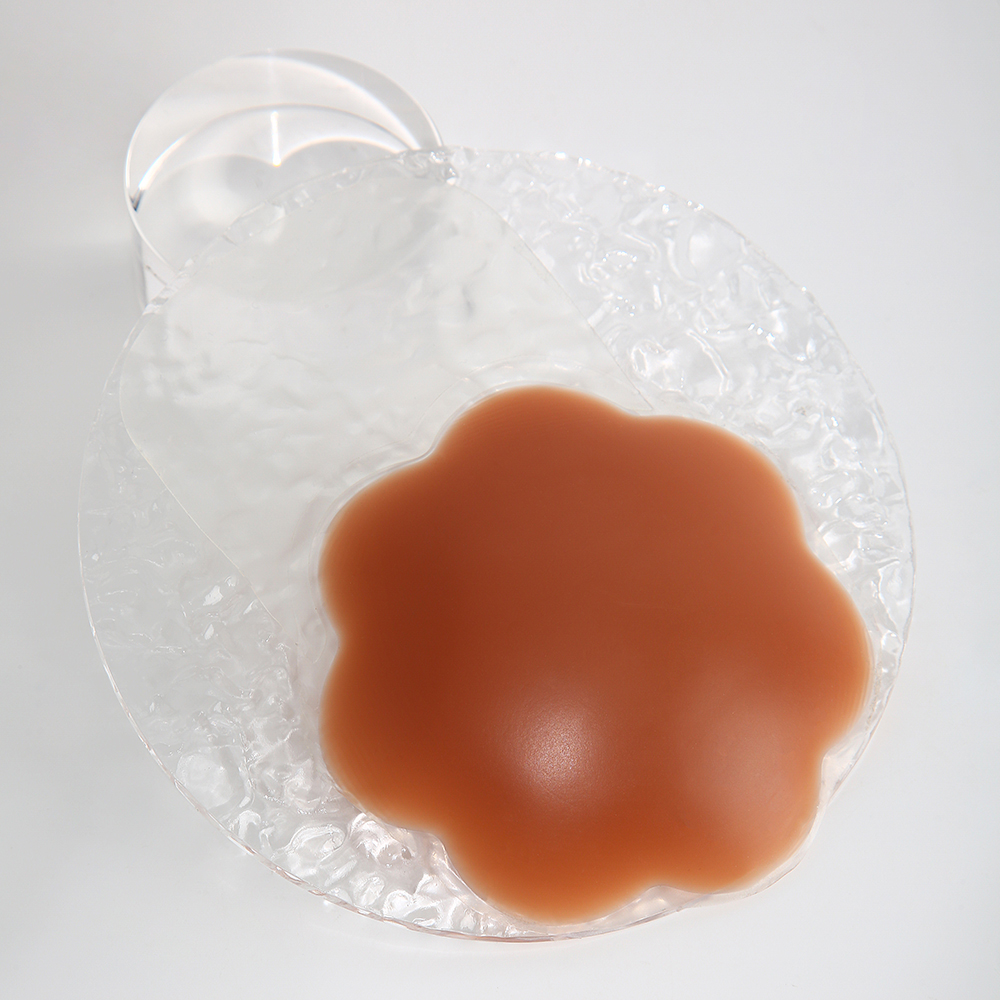
Most quality reusable covers use silicone gel adhesive on the back. When you rinse it with mild soap and water, you’re mostly removing oils, sweat, and lint — not the adhesive itself. Once water evaporates, that gel surface goes back to being tacky.
That’s why:
- One pair of high-quality reusable silicone nipple pasties can last for dozens of uses with proper care.
- Cheaper paper/fabric pasties are “dead” once they come off; there’s no gel network to bounce back.
Some brands are even experimenting with replaceable adhesive rings or layers, where you keep the silicone shell and refresh only the stick. That’s clever both for sustainability and for people who want consistent grip over time.
So if you’re constantly rebuying disposable patches, it might be time to look at a silicone option, like a classic silikoonist nibukate või korduvkasutatav nibukate.
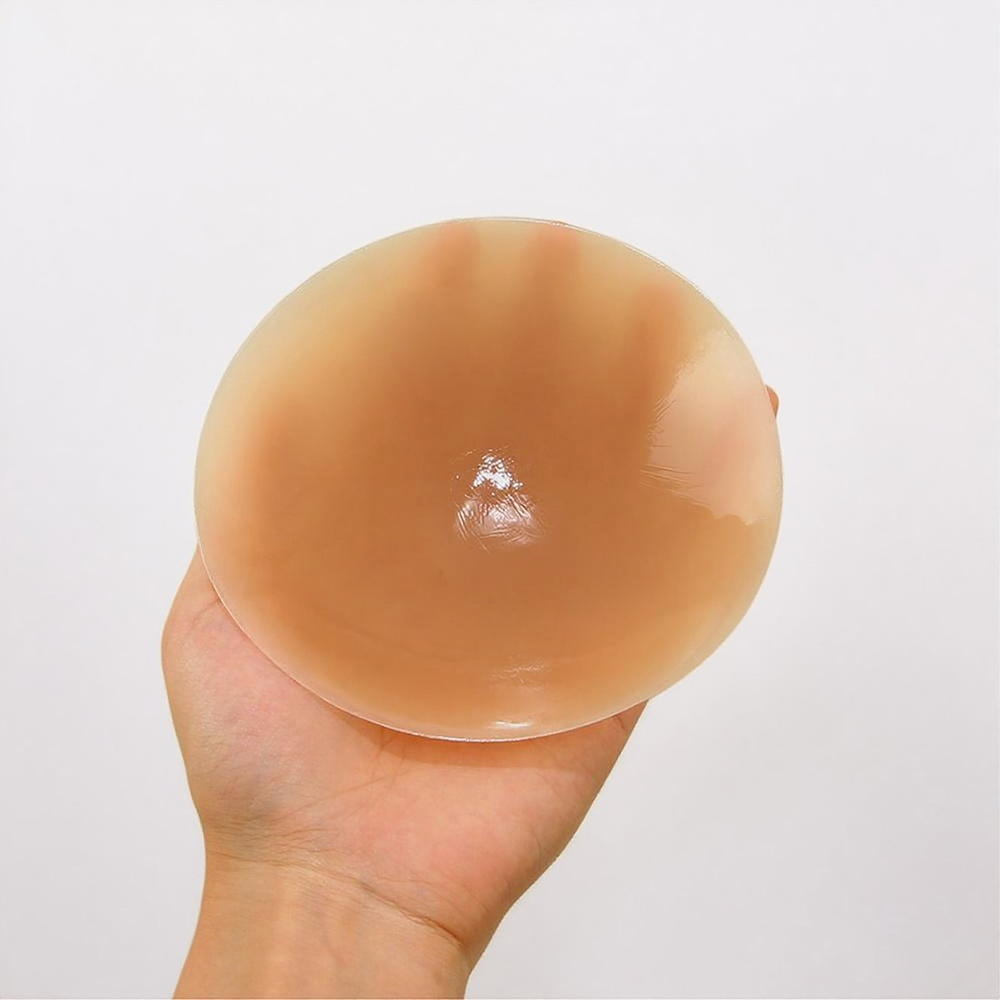
Medical-Grade Comfort: Not Just About “Strong Stick”
One of the sneaky benefits of medical‑grade silicone? It’s not just how long it sticks. It’s how nicely it lets go.
Silicone medical adhesives are often chosen for fragile, sensitive, or aging skin because they:
- Peel off with less trauma to the top layers of skin.
- Don’t grip as aggressively into every microscopic crack the way harsher acrylics can.
That matters a lot if:
- You’re wearing pasties often (think: summer, festival season, thin tops).
- Your skin reacts easily.
- You’re removing them from the same spot repeatedly.
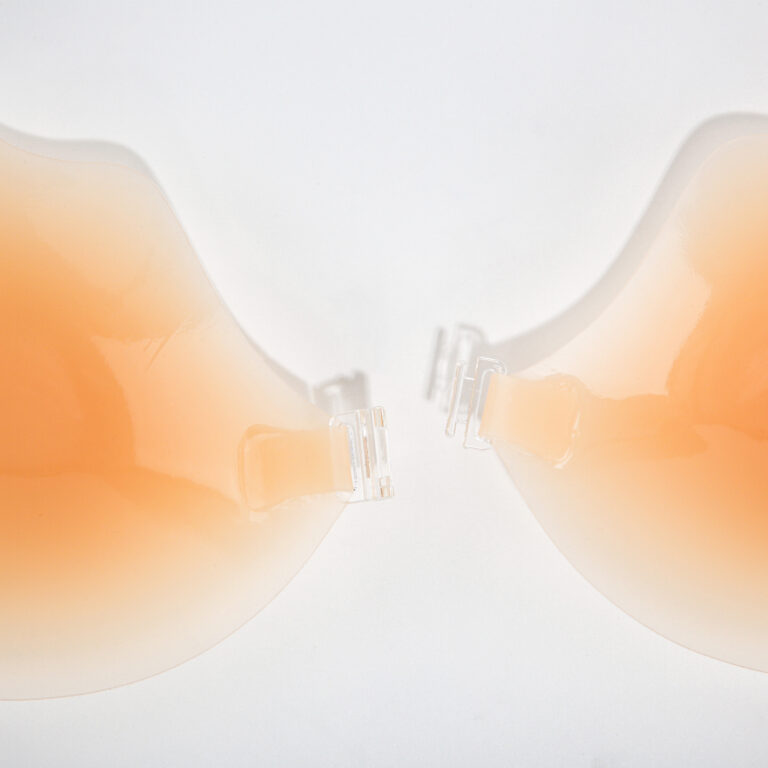
This is one reason many premium pasties bra and adhesive bra styles are built around silicone systems — they need to stay put for hours but still be tolerable to peel off after a long event.
Long story short: “lasts longer” should never mean “rips skin.” Medical‑grade silicone does that balancing act better than almost any other adhesive currently used on the body.
How To Make Your Pasties Actually Last
Even the best adhesive can’t save you from bad prep. Think of this as your pre‑pasty ritual.
- Start with clean, dry skin
- Wash the area with mild soap and water; skip oils, lotion, and body butter anywhere near the application zone.
- Cool down first
- If you’re hot and sweaty from rushing or pre‑gaming, let your skin cool and dry fully before you stick anything on.
- Apply with firm, even pressure
- Place the center first, then smooth outward to remove air bubbles and make full contact with the adhesive.
- Avoid stretching the skin when applying
- If you stretch and then let go, the skin moves back… but the adhesive doesn’t adjust, and edges can lift.
- Mind the edges
- A lot of failure starts at the edges, especially with curved shapes or lifting from clothing friction.
Do all that with a good medical‑grade silicone nipple cover and you’re stacking the deck in your favor — especially if you’re using a style made for repeated wear, like the korduvkasutatav nibukate.
When To Choose Disposable vs Reusable
You don’t need to marry one camp forever. Both have their place.
Disposable pasties (usually acrylic-based):
- Handy for one‑off outfits you’ll never repeat.
- Good if you’re traveling light and don’t want to carry anything back.
- Often cheaper per pack but more expensive over time if you wear them often.
Reusable silicone nipple covers (medical-grade adhesive):
- Better long‑term value; one pair can replace dozens of disposable sets.
- Softer edges, smoother look under thin fabrics, especially in styles like silicone breast cover or pasties bra.
- More eco‑friendly: less trash and packaging.
If you live in pasties all summer, reusable is almost always the smarter move. If you’re just covering up for a random costume party? Disposable might be fine.
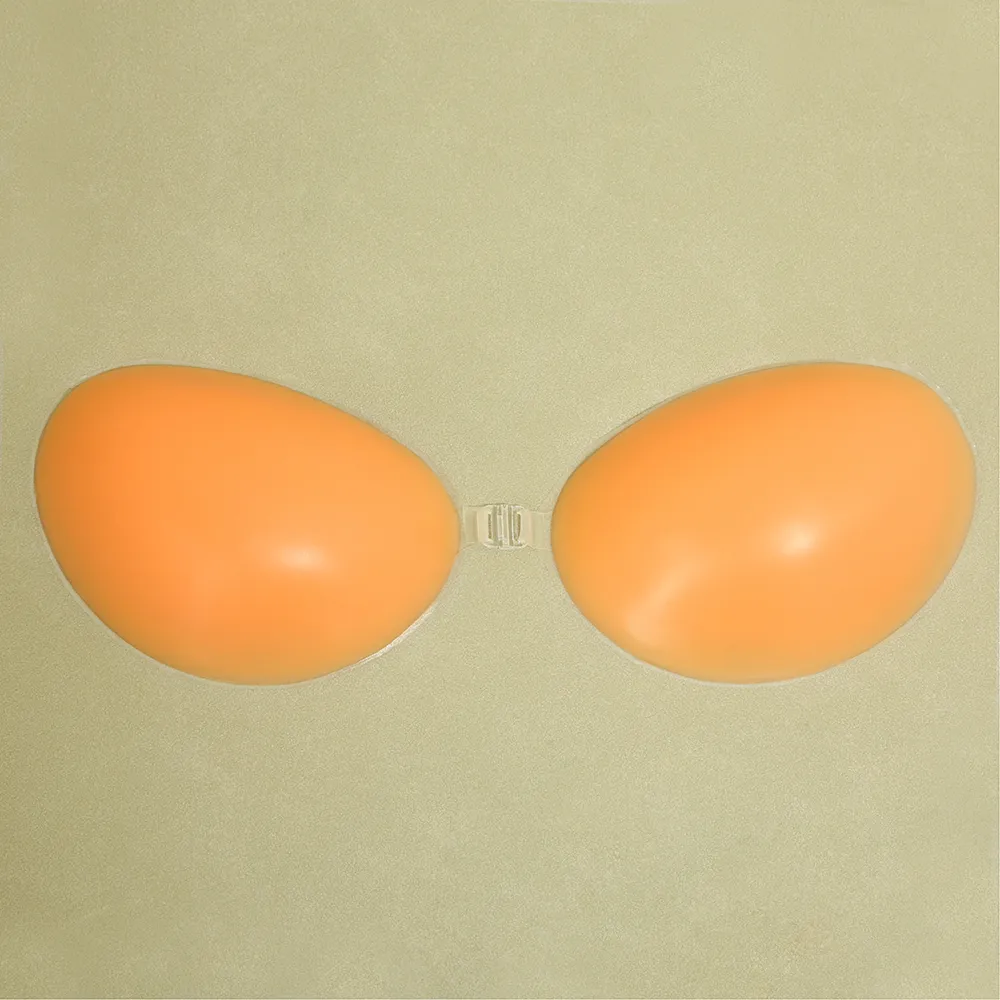
The Quiet Power of Design: Shape, Thickness, and Coverage
Adhesive is only half the story. The way the cover is built affects how that adhesive behaves.
- Paksus: Thicker silicone can hold its shape better and distribute stress more evenly across the adhesive layer, which helps prevent edge lift.
- Curve: Well‑curved designs mold to the breast more naturally, which increases contact area — more surface area, better hold.
- Läbimõõt: Larger covers spread movement and tension over a wider area, again helping the adhesive last longer before it starts to peel.
That’s why some flexible silicone nipple cover and non-slip silicone nipple cover designs emphasize flexibility plus a good curve — they’re not just trying to look cute; they’re literally engineering the stress on the adhesive.
Let’s Be Honest: It’s Also About Confidence
This whole topic isn’t just “science for science’s sake.” It’s about those little moments where you either feel totally secure in your outfit… or you spend the entire night wondering if your left pasty is slowly migrating south.
When you trust that the adhesive is:
- Skin‑safe.
- Long‑lasting.
- Not going to betray you mid‑photo.
…you move differently. You choose bolder tops. You stop compulsively adjusting.
Medical‑grade adhesive tech might sound dry on paper, but on your body it shows up as confidence, comfort, and fewer “wardrobe malfunction” horror stories.
If you’re tired of pasties that quit early, look for:
- Medical‑grade silicone or silicone gel adhesive in the description.
- Reusable design with wash‑to‑reactivate care instructions.
- Reputable brands or product types built around silicone coverage, like silicone nipple cover, silicone nipple patch, or full pastes rinnahoidja styles.
Your chest deserves better than bargain-bin glue. Pick the pasties with real science behind them — the ones that behave more like a trusted bra and less like discount tape — and give your future self one less thing to worry about.