-
C/O 2221 Remington Ave, Ontario, California

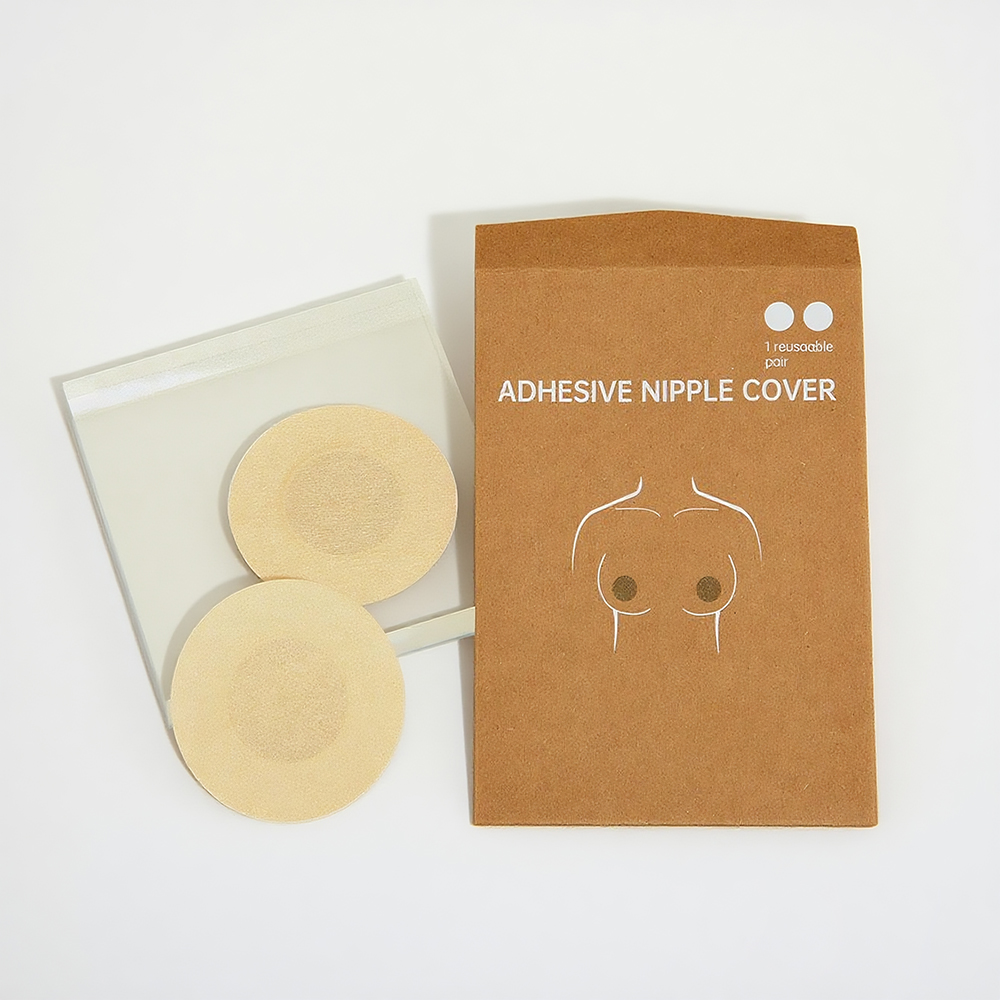
L'evoluzione dei copricapezzoli: Dal Burlesque alla moda di tutti i giorni.
The Evolution of Nipple Covers: From Burlesque to Everyday Fashion
I still remember the first time a client asked me, dead serious, “Can nipple covers be… premium?”
I laughed. Then I stopped laughing.
Because the answer, it turns out, is yes. Very yes.
But to get there, we need to go back. Way back. Before silicone. Before seamless bras. Before the Instagram “no-bra” trends. Back to feathers, stage lights, and a whole lot of attitude.
Let’s talk about how something so small ended up everywhere.
It Started on Stage, Not in Stores
Nipple covers didn’t begin as a product. They began as a workaround.
Burlesque performers in the early 1900s had a problem. They wanted to push limits without getting arrested. Full nudity? Illegal. Suggestive? Allowed. So they got creative.
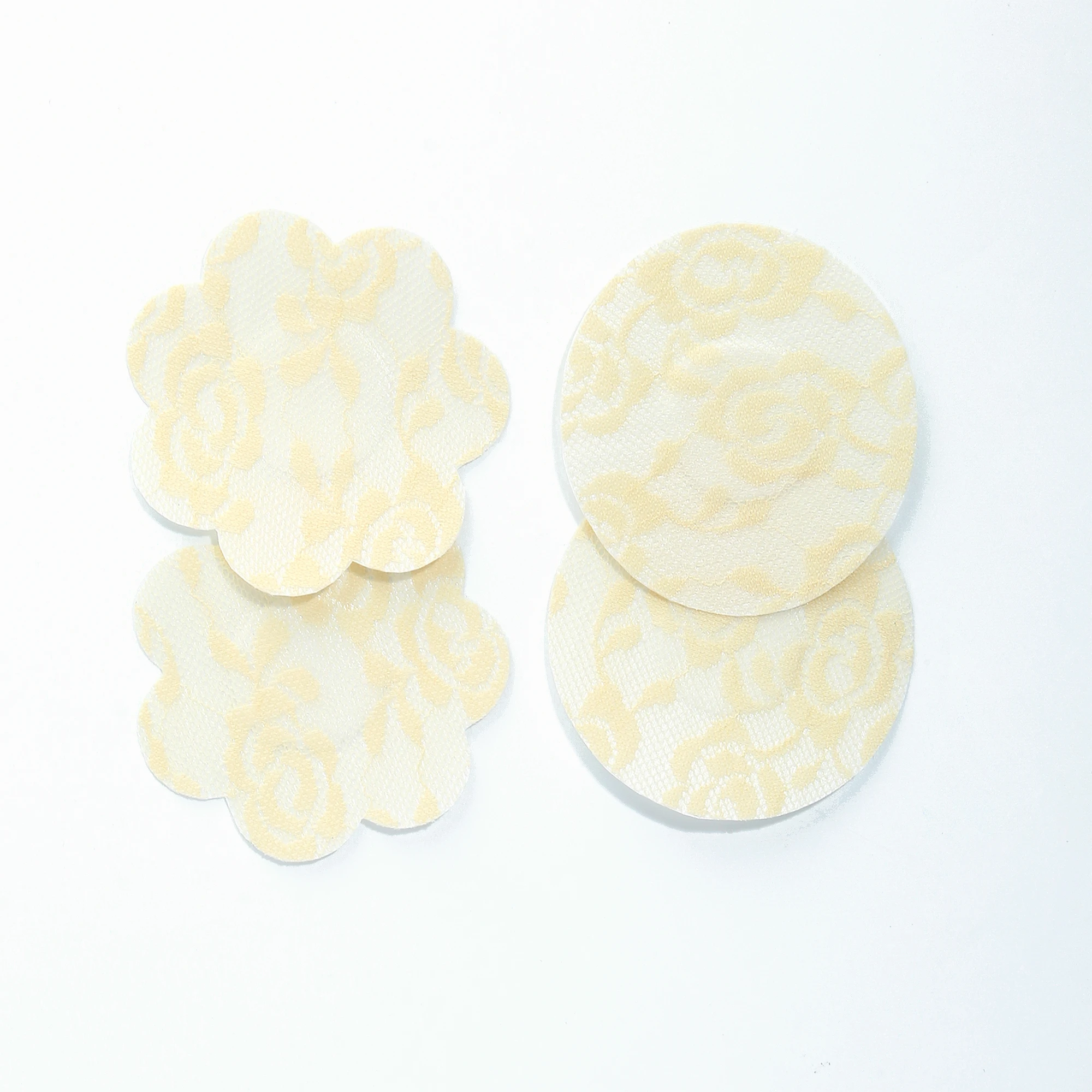
Enter the original pasties.
They weren’t subtle. Not even close. Think sequins, tassels, bold colors. The goal wasn’t to hide anything. It was to tease. To distract. To perform.
And honestly? They worked.
The audience knew what was underneath. That was the point.
Those early designs weren’t about comfort or practicality. They were about control. About owning the gaze instead of avoiding it.
Big difference.
The Quiet Years Nobody Talks About
Then something interesting happened.
For decades, nipple covers just… existed. Quietly.
They lived in costume drawers. In lingerie shops that didn’t advertise much. In dressing rooms for dancers, performers, and occasionally brides who needed a little backup under tricky fabrics.
But mainstream fashion? Not interested.
Why?
Because bras ruled everything.
Structured cups. Padding. Underwires that felt like medieval tools. Society loved them. Or at least pretended to.
Going without a bra wasn’t a “style choice.” It was seen as careless. Or worse.
So nipple covers stayed in the shadows. Functional. Invisible. Kind of forgotten.
Until fashion got tired.
When Fashion Got Tired of Bras
You could feel the shift before you saw it.
Designers started sending models down the runway in sheer fabrics. Thin knits. Dresses that made bras impossible. Or awkward.
And people noticed.
At first, it felt risky. Then it felt… freeing.
I remember talking to a buyer around 2014 who said, “We’re getting more requests for bra alternatives than bras.”
That was new.
Suddenly, nipple covers weren’t just for performers. They were for real life. Daily life.
Under T-shirts. Under silk blouses. Under backless dresses that had no patience for straps.
And here’s the thing nobody says out loud: people liked how it felt.
No wires. No pressure. No constant adjusting.
Just coverage. And freedom.
Silicone Changed Everything
Let’s be honest. Early adhesive products were… not great.
They slipped. They irritated skin. They didn’t survive a humid afternoon, let alone a full day.
Then silicone stepped in.
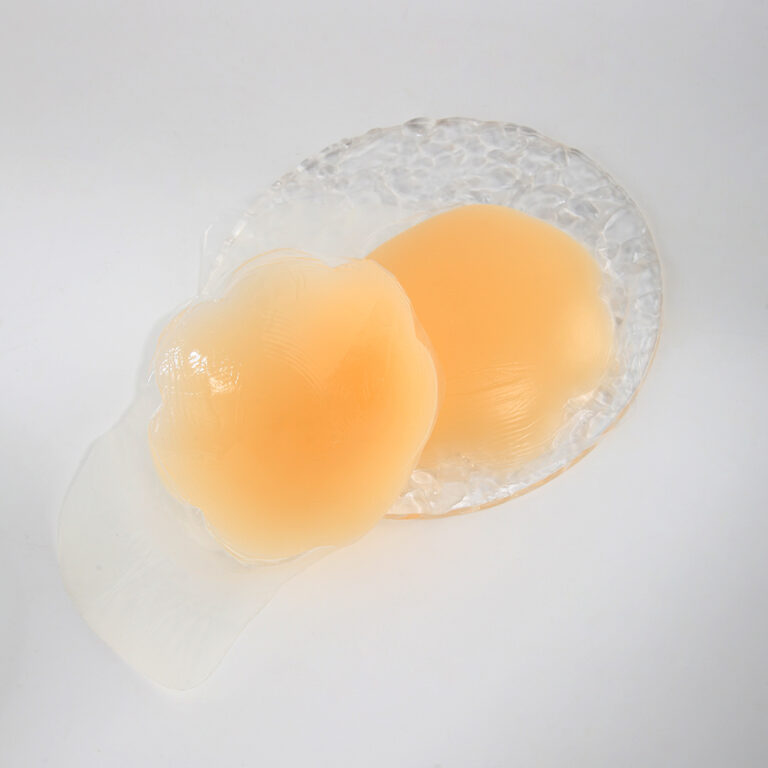
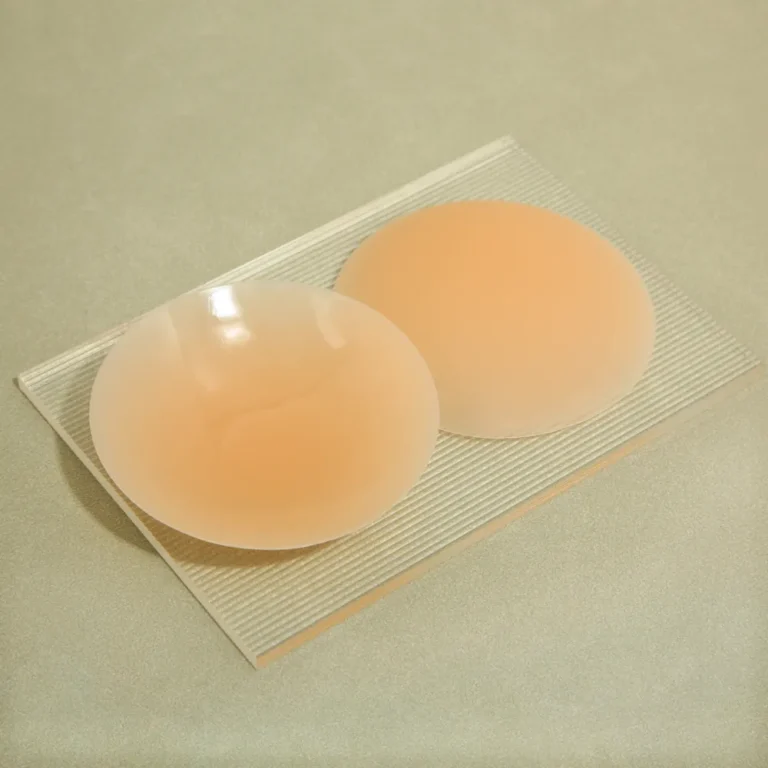
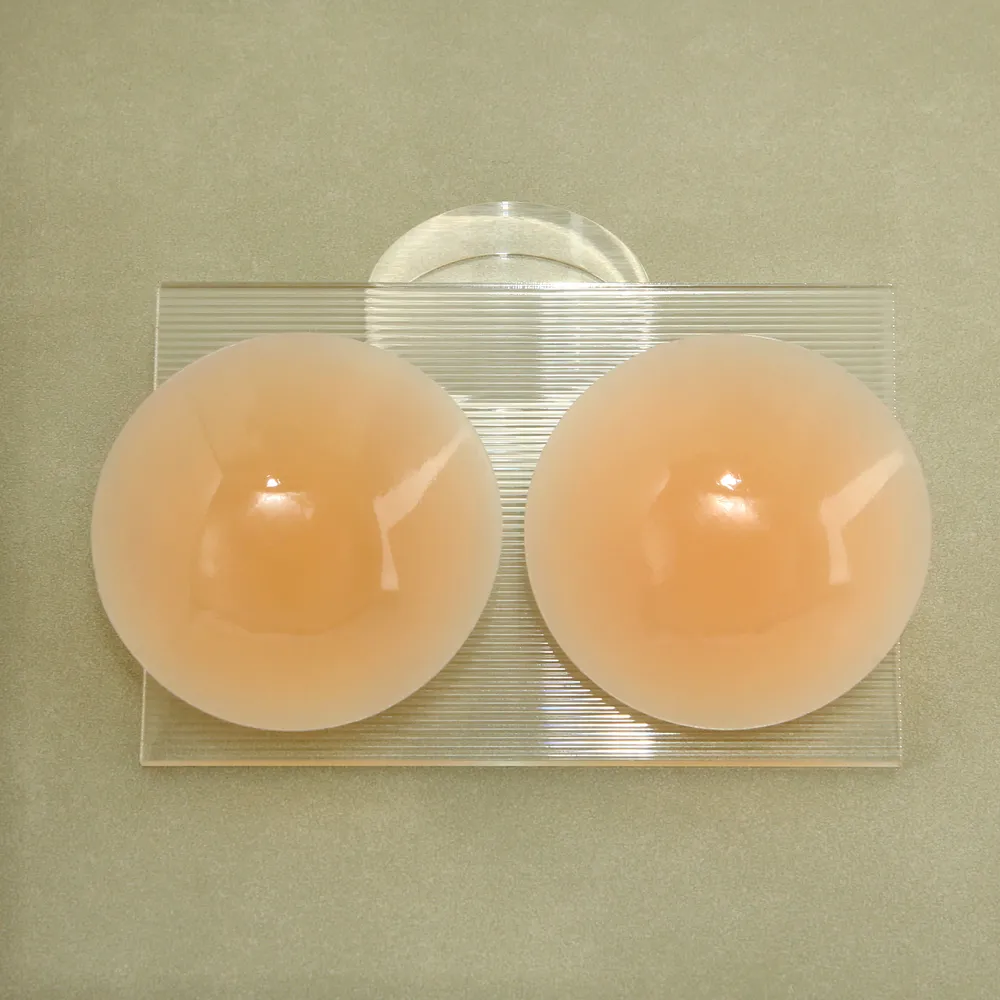
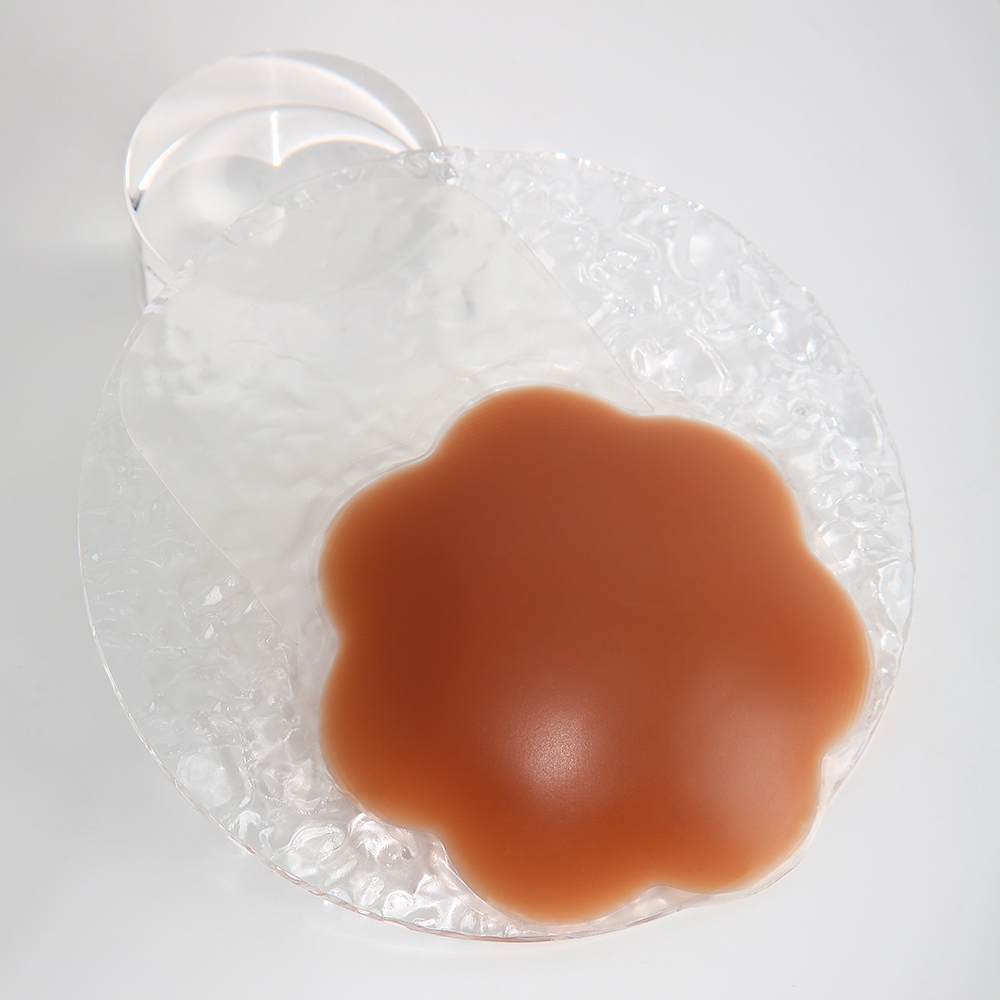
Medical-grade silicone, in particular, changed the entire category. It felt closer to skin. It stayed put. It didn’t scream “I’m wearing something here.”
That mattered.
From a manufacturing side, I’ve seen the shift up close. Clients stopped asking for “cheap and quick.” They started asking about thickness, edge tapering, adhesive quality, and skin sensitivity tests.
They wanted something they could trust.
Not just once. But daily.
That’s when nipple covers stopped being a novelty and started becoming a product category.
A real one.
If you’ve ever worked with different silicone types, you know the difference is night and day. A poorly formulated one feels sticky and heavy. A good one? You forget it’s there. That’s the goal.
We’ve written more about material differences here: https://zaoyigarment.com/silicone-nipple-covers-guide/
The Rise of the “No Bra” Look
Let’s talk culture for a second.
The “no bra” look didn’t just appear out of nowhere. It came from a mix of comfort, confidence, and a bit of rebellion.
Celebrities helped. Obviously.
Street style helped more.
People started seeing outfits that looked better without visible lines, straps, or padding. Clean silhouettes. Natural shape.
And they thought, “Wait. I can do that too?”
But not everyone wanted full exposure. That’s where nipple covers stepped in again.
They became the middle ground.
Not fully covered. Not fully exposed. Just… controlled.
It’s funny how something so small can completely change how an outfit feels.
From Taboo to Toolkit
Here’s what I find most interesting.
Nipple covers used to be something people felt awkward buying. Now they’re part of a styling toolkit.
Stylists use them. Brides rely on them. Athletes wear them under performance fabrics. Even everyday office wear sometimes needs them.
No drama. No secrecy.
Just a solution.
I’ve had buyers casually add them to bulk orders like they’re ordering socks. That would’ve been unthinkable 15 years ago.
Now? Totally normal.
Not All Nipple Covers Are Created Equal
This is where things get real. Especially if you’re sourcing or manufacturing.
Because the difference between a good product and a bad one is huge.
And customers notice.
A few things matter more than people think:
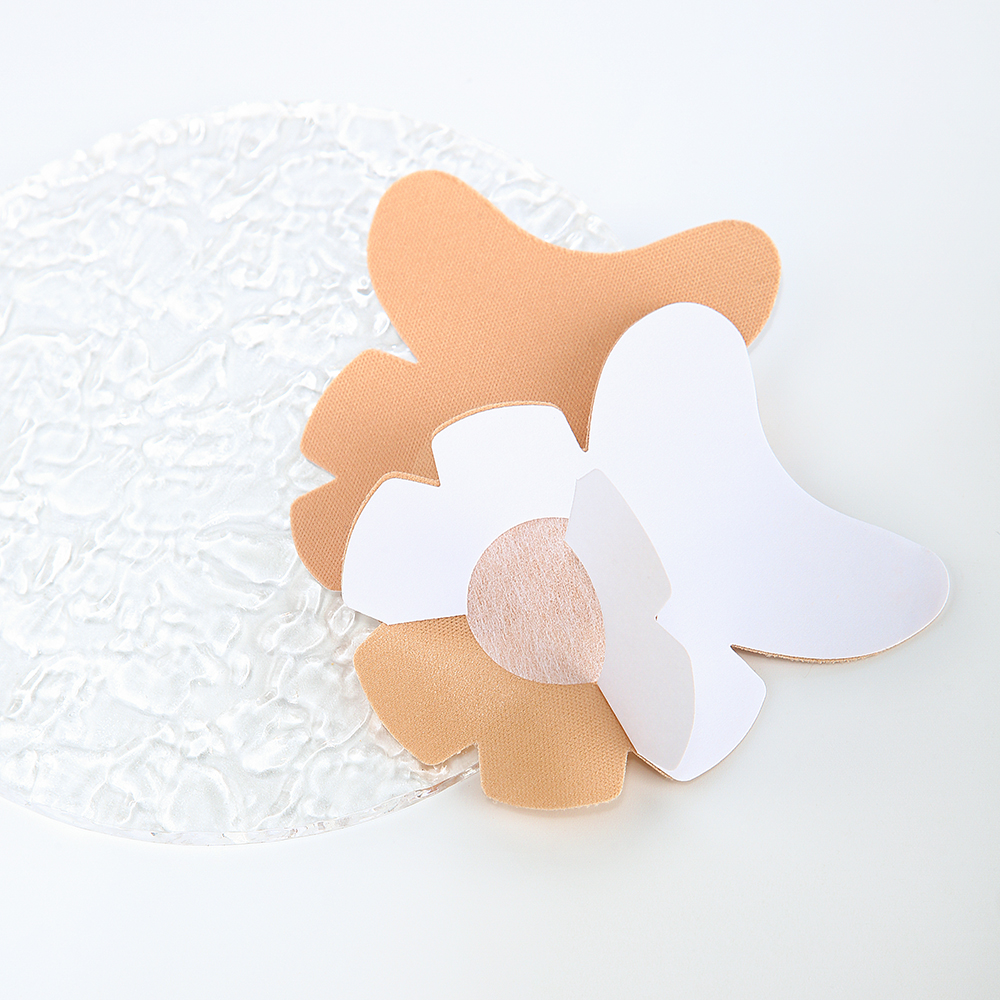
Edge design. Thick edges show through clothing. Thin, tapered edges disappear.
Adhesive quality. Too strong? Skin irritation. Too weak? Slipping.
Breathability. Skin needs to breathe, especially in warm climates.
Reusability. One-time use feels wasteful now. People expect more.
I’ve seen brands fail because they ignored these basics.
I’ve also seen smaller brands win big because they got them right.
If you’re curious about how different designs perform in real use, this breakdown is helpful: https://nipplecover.us/types-of-nipple-covers/
The Psychology Behind It (Yes, Really)
Let’s be honest for a second.
This isn’t just about fabric and silicone.
It’s about how people feel in their own bodies.
Some want more coverage. Some want less. Some just don’t want to think about it at all.
Nipple covers sit right in that space.
They give control without adding bulk. They offer confidence without forcing a certain shape.
And that matters more than most product specs.
I’ve had customers describe them as “peace of mind.” Not sexy. Not technical. Just… peace of mind.
That’s powerful.
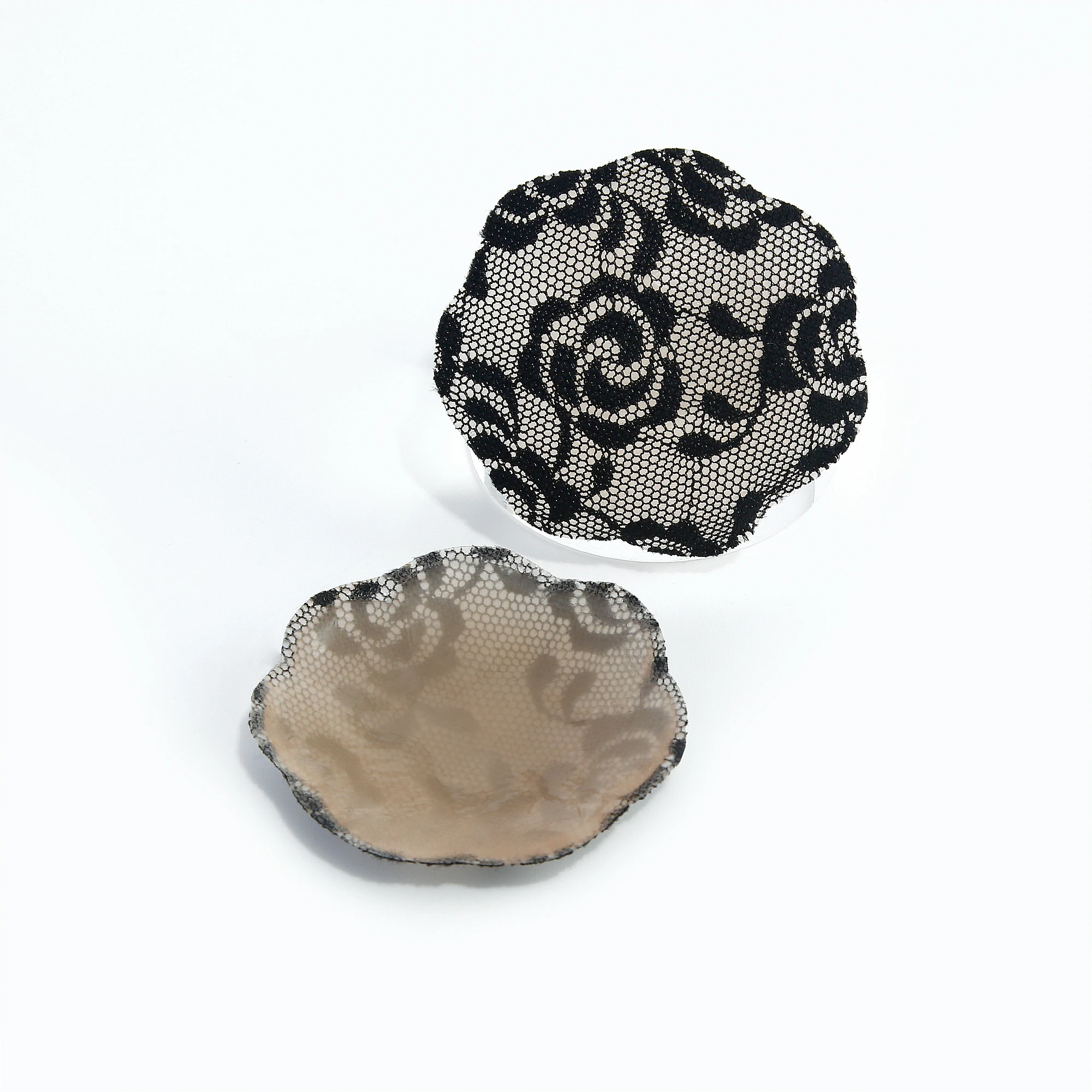
The B2B Shift: What Buyers Care About Now
If you’re in the business side like me, you’ve probably seen this shift too.
Buyers aren’t just asking for price anymore.
They ask about:
Skin safety certifications (ISO 10993, anyone?)
Adhesive durability after multiple uses
Packaging that feels premium, not disposable
Custom shapes and skin tones
Private label demand is growing fast. Everyone wants their own version.
And honestly, that makes sense.
Because nipple covers aren’t one-size-fits-all anymore. Not in function. Not in branding.
We’ve seen detailed requirements like this more often recently: https://zaoyigarment.com/custom-nipple-covers-oem/
Ten years ago? Nobody cared that much.
Now they do.
Everyday Fashion, Finally
Here’s the part I like most.
Nipple covers made the jump from “special occasion” to “everyday essential.”
That’s not easy.
Most products don’t cross that line.
But this one did, because it solved a real problem in a simple way.
Too hot for a bra? Use covers.
Wearing a tricky dress? Covers.
Want a clean look under a thin top? You already know.
No overthinking. No complicated styling hacks.
Just… put them on and go.
Where It’s Heading Next
If you think this category is done evolving, it’s not.
Not even close.
We’re seeing:
Better skin-friendly adhesives
Ultra-thin designs that almost disappear
More inclusive sizing and tones
Eco-friendly materials (finally getting attention)
And from a manufacturing perspective, the pressure is higher now.
Consumers expect comfort, safety, and aesthetics all at once.
No shortcuts.
Honestly? That’s a good thing.
It forces everyone in the supply chain to do better.
So, From Tassels to T-Shirts…
It’s kind of wild when you think about it.
What started as a stage trick turned into a daily essential.
From bold, flashy pasties meant to grab attention… to invisible covers designed to do the exact opposite.
Same idea. Totally different purpose.
And yet, the core hasn’t changed.
It’s still about control. About choice. About deciding what you show and what you don’t.
Just now, it fits under a white T-shirt on a random Tuesday.
Funny how that works, right?
So next time someone asks if nipple covers are “just a small accessory,” you’ll know better.
They’re small.
But they carry a whole story with them.
And honestly? We’re still writing it.