-
C/O 2221 Remington Ave, Ontario, California

Silicone Gel vs. Liquid Silicone vs. Solid Silicone in Nipple Covers
Silicone nipple covers are popular in intimate apparel because they are soft, reusable, and designed to feel comfortable on the skin. However, terms like silicone gel, liquid silicone, solid silicone, and medical-grade silicone are often used loosely, which can create confusion for buyers and brand owners.
What Silicone Gel Means in Nipple Covers
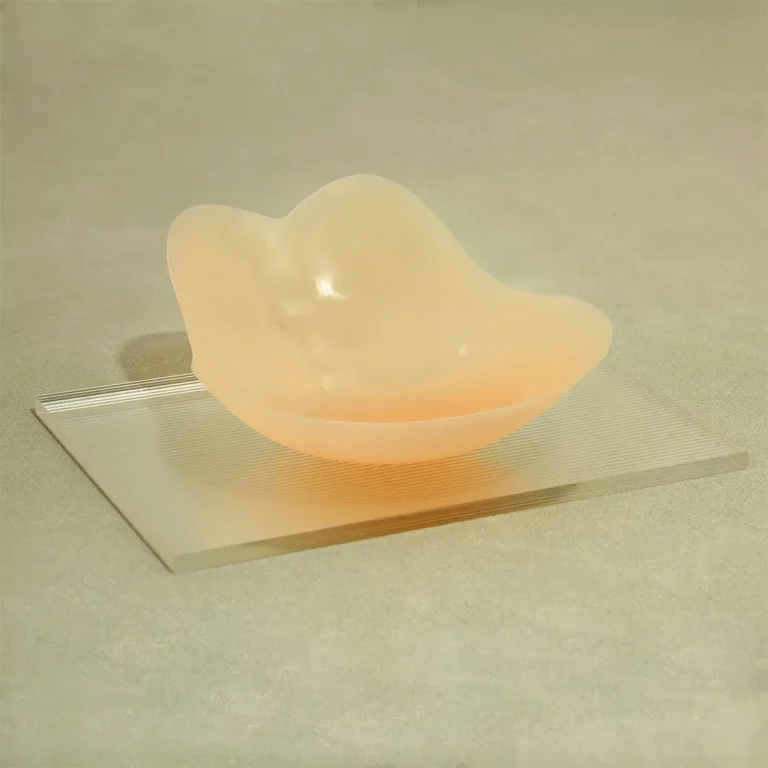
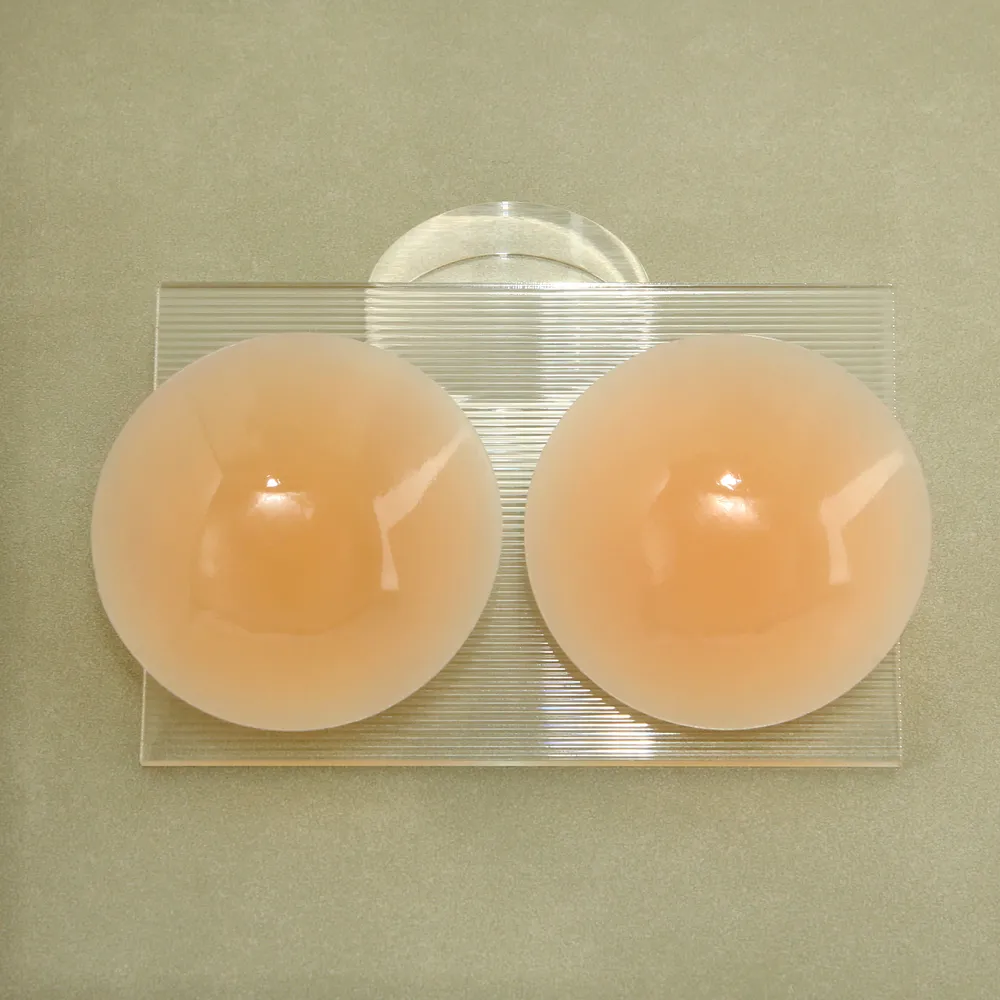
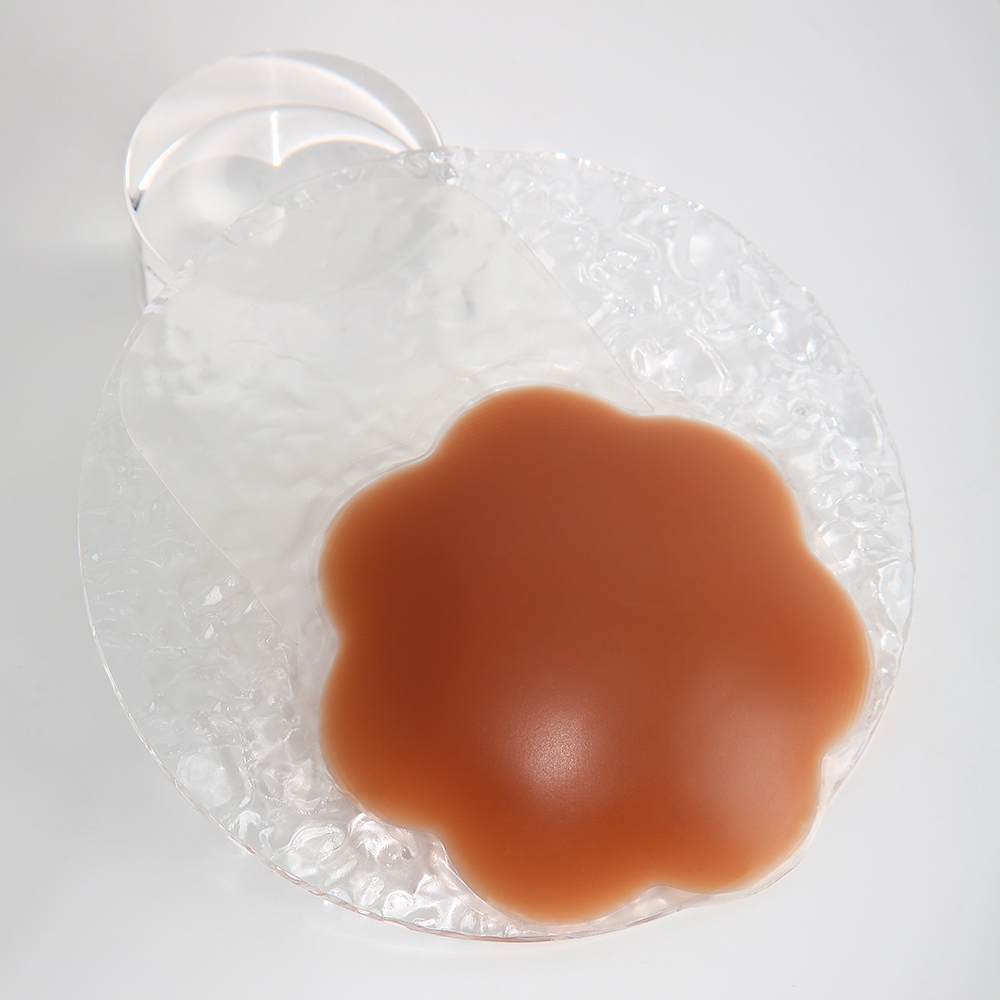
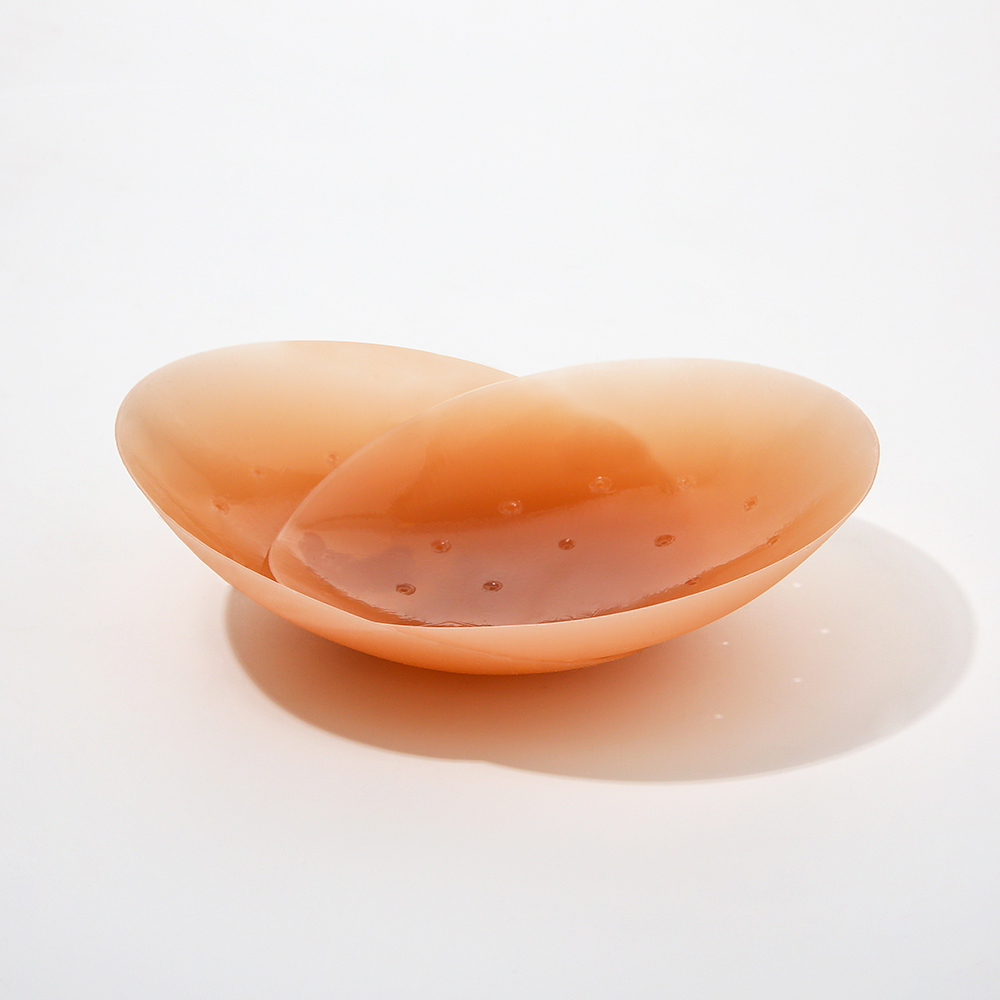
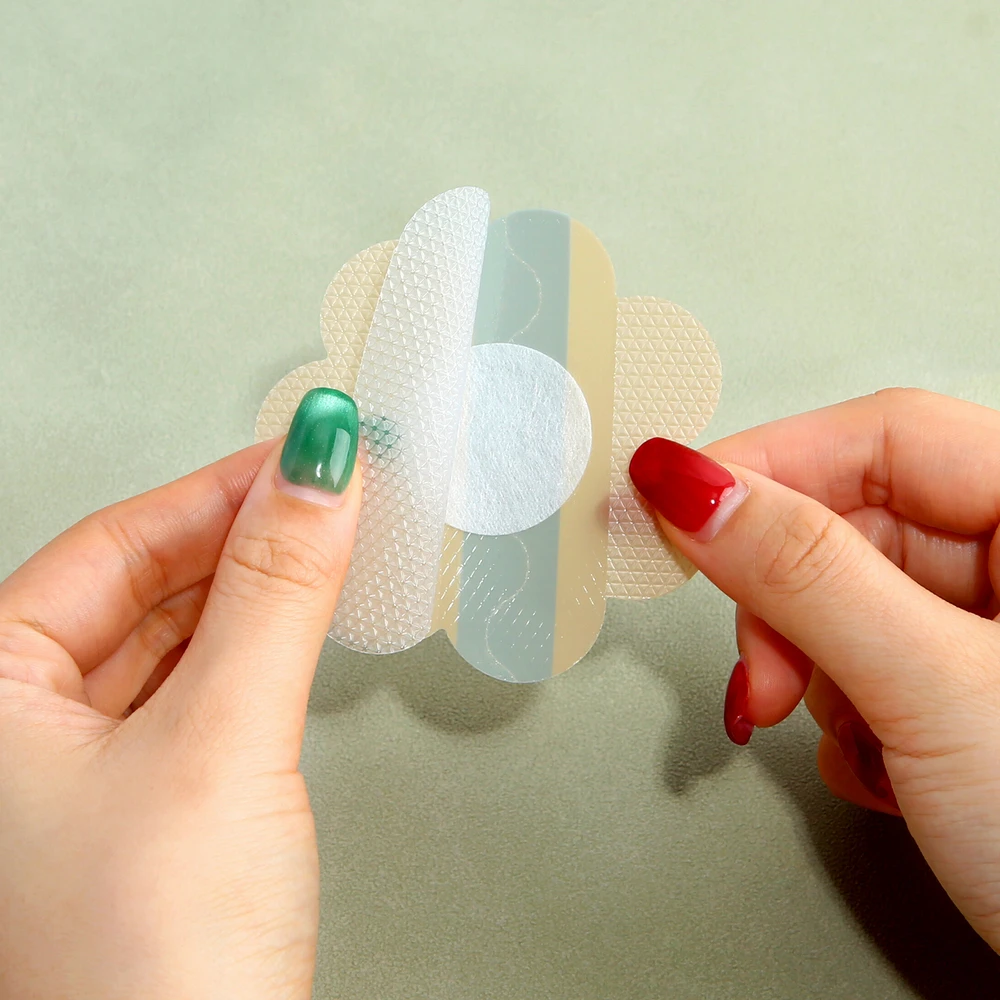
In nipple covers, silicone gel usually refers to a soft, flexible, skin-contact material with a cushion-like feel. It is designed to help the product sit smoothly against the skin, stay comfortable during wear, and create an invisible look under clothing.
For intimate wear accessories, silicone gel is often valued for its softness, natural touch, and reusable performance. It is commonly used in nipple covers, breast petals, and other skin-contact lingerie products.
What Medical-Grade Usually Means
The term medical-grade does not automatically mean a product is a medical device. In the market, it usually means the material is selected and processed with greater attention to skin-contact safety.
In practical terms, medical-grade silicone is often associated with:
- Low irritation.
- Low sensitivity.
- Low residue.
- Better control of purity and material consistency.
That said, the exact meaning should always be confirmed with test documents, material declarations, or product-specific compliance files. The term can be used in marketing, but it should not replace actual evidence.
Silicone Material Comparison
| Item | Silicone Gel | Liquid Silicone | Solid Silicone |
|---|---|---|---|
| Main meaning | A soft, skin-feel material description focused on comfort and self-adhesion. | A flowable raw material used for precision molding. | A solid raw material used for traditional molding. |
| Texture | Very soft, cushion-like, skin-friendly. | Can be formulated to be soft or firm. | Usually firmer than liquid silicone products. |
| Processing method | Often used in skin-contact products such as nipple covers and scar patches. | Injection molding. | Compression molding. |
| Appearance | Soft, seamless, natural-looking. | Smooth, precise, low flash. | More suitable for standard functional parts. |
| Common use cases | Nipple covers, breast petals, scar sheets, skin-contact accessories. | High-end silicone products, baby items, medical and precision parts. | Seals, pads, industrial parts, general silicone products. |
| Best fit for nipple covers | Very high. | Very high. | Moderate. |
| Cost level | Usually high for premium skin-contact formulas. | Usually the most expensive. | Usually the most economical. |
Liquid Silicone vs. Solid Silicone
Although both belong to the silicone family, liquid silicone and solid silicone are different in form and processing.
Liquid Silicone
Liquid silicone is a flowable raw material. It is commonly used in injection molding, which makes it suitable for thin, precise, and seamless products. This is why it is often preferred for high-end nipple covers and other skin-contact accessories.
Liquid silicone products usually have these advantages:
- Smoother surface finish.
- Better precision.
- Less flashing or excess edges.
- Better fit for detailed designs.
Because of its processing requirements and product quality, liquid silicone is usually more expensive.
Solid Silicone
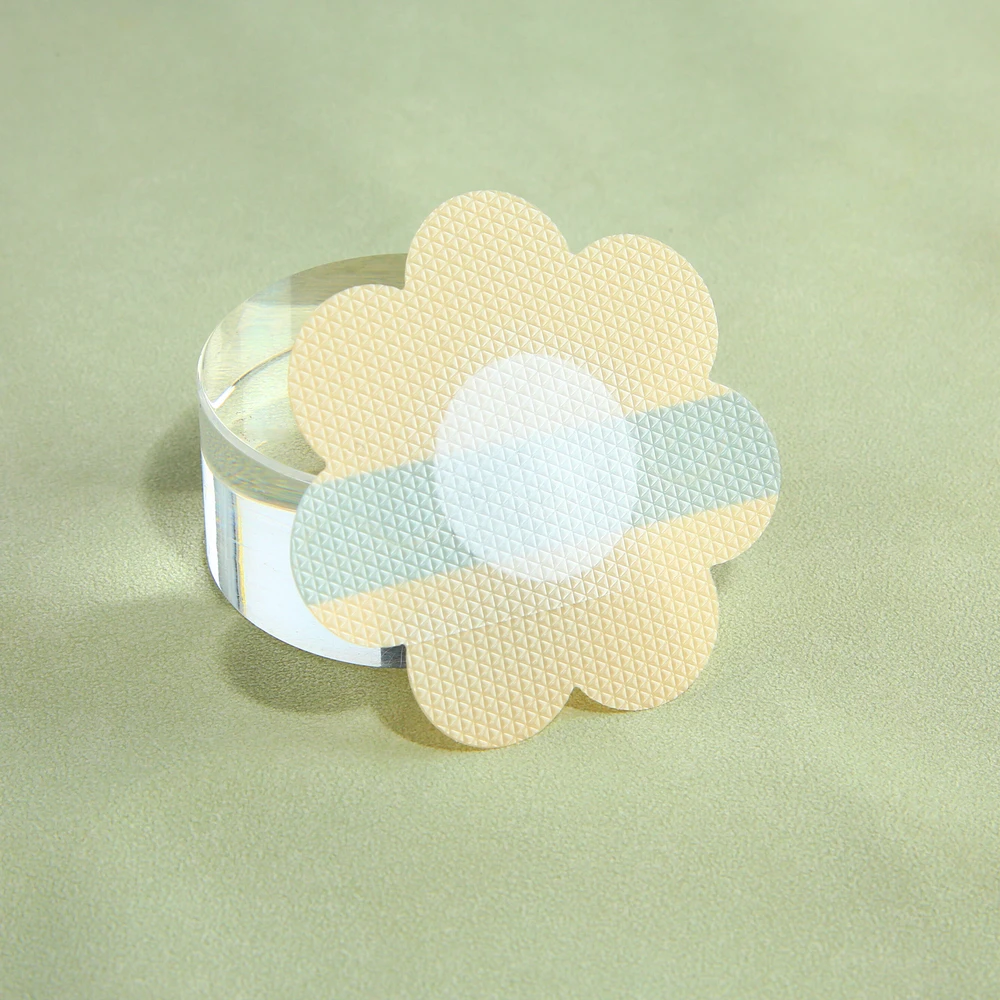
Solid silicone is a traditional solid raw material used in compression molding. It is widely applied in general silicone products, such as seals, pads, and industrial parts.
For nipple covers, solid silicone can still be used, but it is usually less ideal when the product needs to be ultra-soft, thin, and seamless. It is generally more cost-effective than liquid silicone.
Why Silicone Gel Feels Different
Silicone gel products are valued for their softness and flexibility. In nipple covers, the material is often designed to mimic a natural skin-like feel while maintaining enough structure to stay in place.
This balance matters because intimate apparel products need to be:
- Comfortable for long wear.
- Nähtamatu riiete all.
- Gentle during removal.
- Reusable after cleaning.
That is why silicone gel is often chosen for premium nipple covers and breast pasties.
Skin-Contact Optimized Formula
In this context, a high-end skin-contact formula does not mean a complex cosmetic-style formula with many active ingredients. It refers to a material and adhesive system that is designed for direct skin contact, with greater attention to comfort, adhesion balance, and removal performance.
For nipple covers and other intimate wear accessories, this usually means:
- Low irritation.
- Low sensitivity.
- Low residue after removal.
- Stable wear performance.
- Comfortable long-wear contact with the skin.
In other words, the goal is not to make the formula more complicated, but to make it more skin-friendly and more reliable for real daily use.
Which Material Costs More
In most cases, liquid silicone is the most expensive option because it requires more advanced processing and offers better precision. Solid silicone is usually the most economical choice.
Silicone gel products, especially those designed for soft, skin-friendly nipple covers, often also fall into a higher price category depending on the formula and performance requirements.
A simple cost ranking is usually:
- Liquid silicone.
- Silicone gel in premium skin-contact formulas.
- Solid silicone.
Still, final product cost depends on more than material alone. Mold design, thickness, adhesive performance, testing standards, and packaging also affect pricing.
Compliance and Testing
For products that contact skin directly, buyers often ask about adhesive type, skin-contact testing, biocompatibility, and safety files. These are valid questions, but they should be matched with the documents a supplier can actually provide.
A more careful way to position this category is:
- OEKO-TEX® STANDARD 100 certified materials for harmful-substance testing in textile-related applications.
- SMETA 4-pillar audited factory for social and ethical compliance, not product certification.
- Skin-friendly design with a focus on comfort, low residue, and customer-specific testing requirements.
If a supplier uses terms like “medical-grade,” the meaning should always be confirmed with supporting documentation such as material declarations, test reports, and compliance files. OEKO-TEX® STANDARD 100 is a label for textiles tested for harmful substances, while SMETA is an audit framework rather than a product certification.
Supplier Evaluation Checklist
If you are sourcing silicone nipple covers, ask for:
- Material type: silicone gel, liquid silicone, or solid silicone.
- Hardness level.
- Adhesive type.
- Skin-contact test reports.
- Product safety documentation.
- Reusability and washability details.
If the supplier says “medical-grade silicone,” ask what that means in practice. A reliable supplier should be able to explain whether the material is intended to be low-irritation, low-sensitivity, and low-residue, and should be clear about which documents are available.
Järeldus
Silicone gel, liquid silicone, and solid silicone are related but not the same. For nipple covers, silicone gel and liquid silicone are usually better choices when the goal is softness, skin comfort, and a seamless appearance.