-
C/O 2221 Remington Ave, Ontario,California

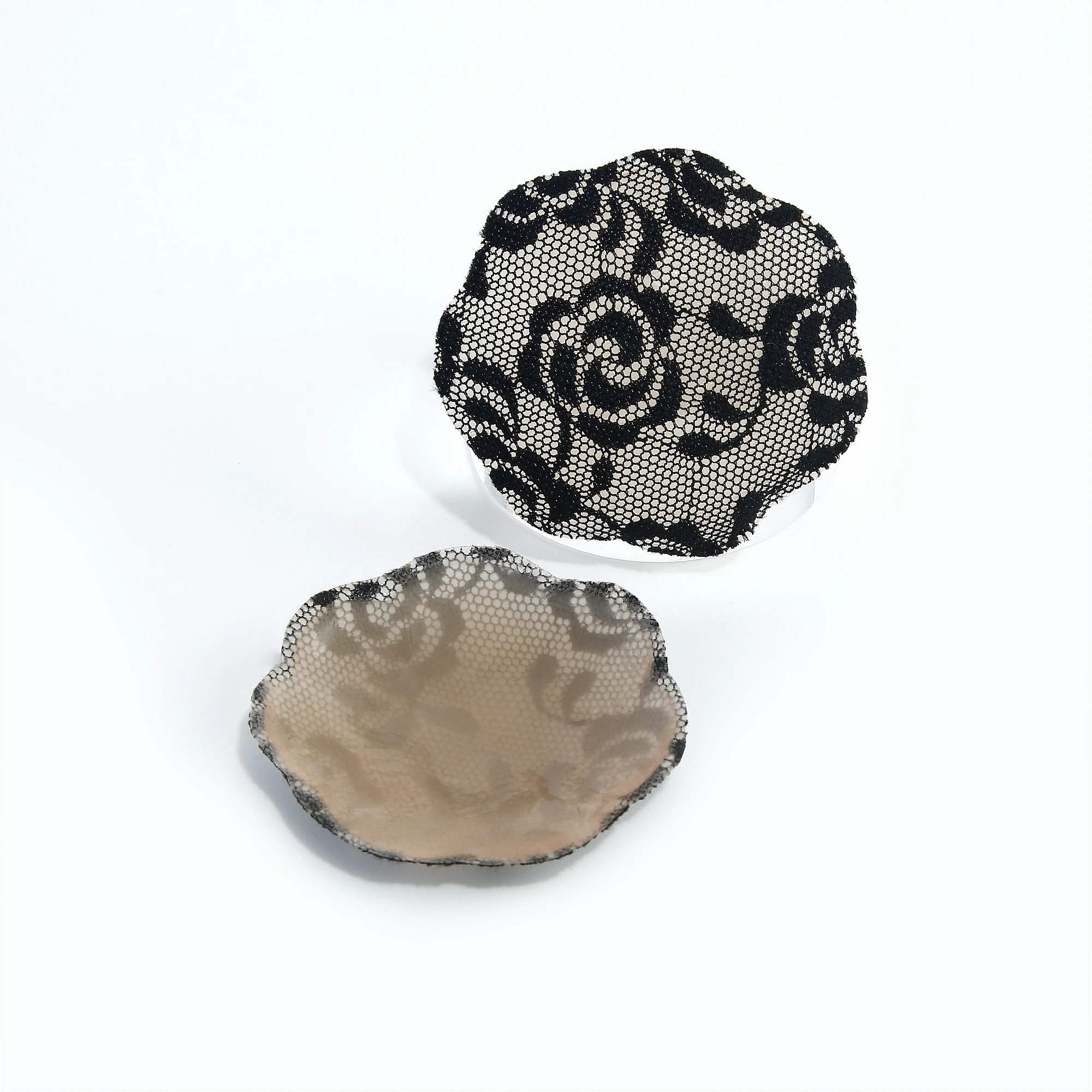
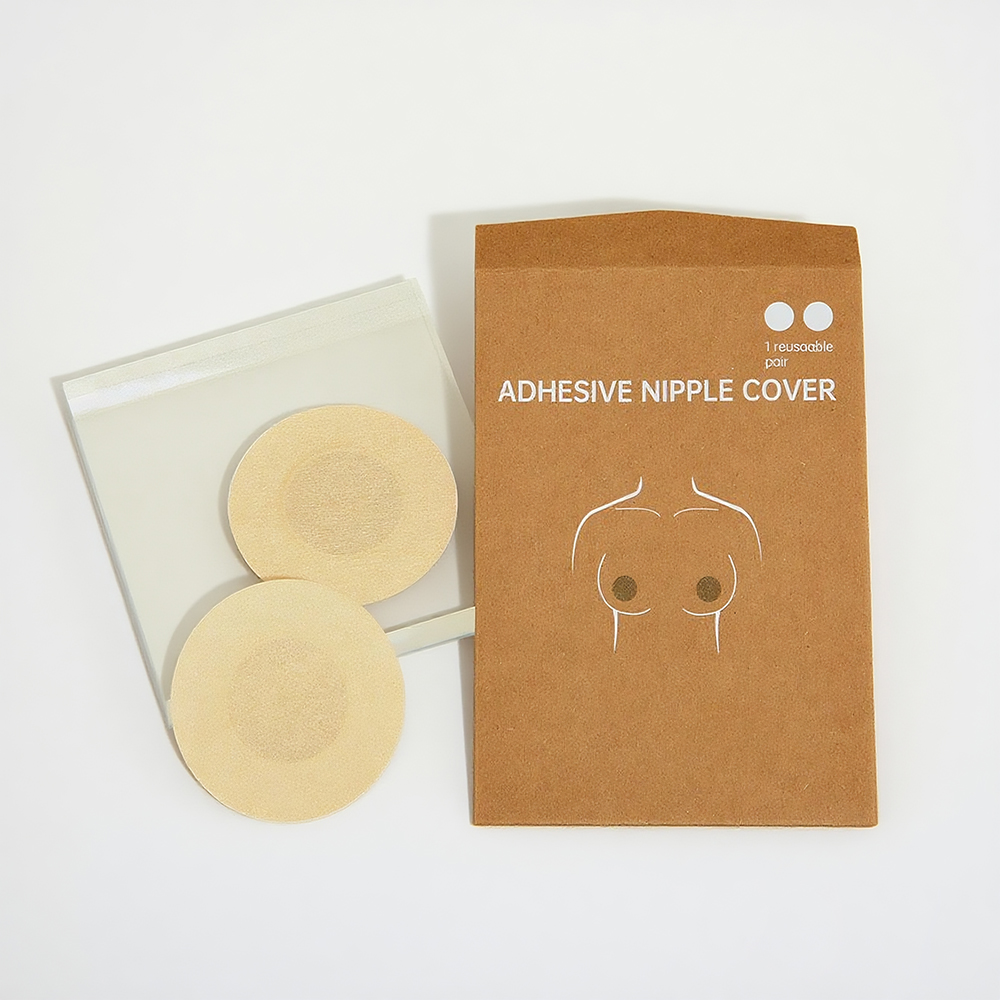
Safety and Performance Comparison Report on Adhesive Materials for Nipple Covers
Nipple Cover Adhesive Materials: Core Performance Comparison Matrix
| Adhesive Classification | Core Chemical Composition | Adhesion Strength Level | Breathability | Skin Affinity / Hypoallergenic Rating | Bio-compatibility Testing Status | Authentic Industry Classification |
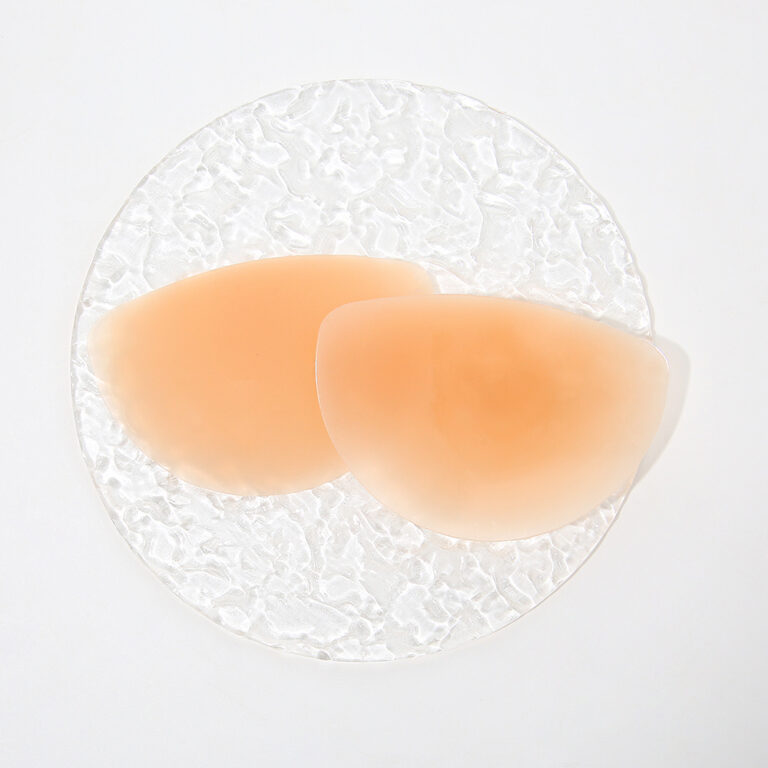
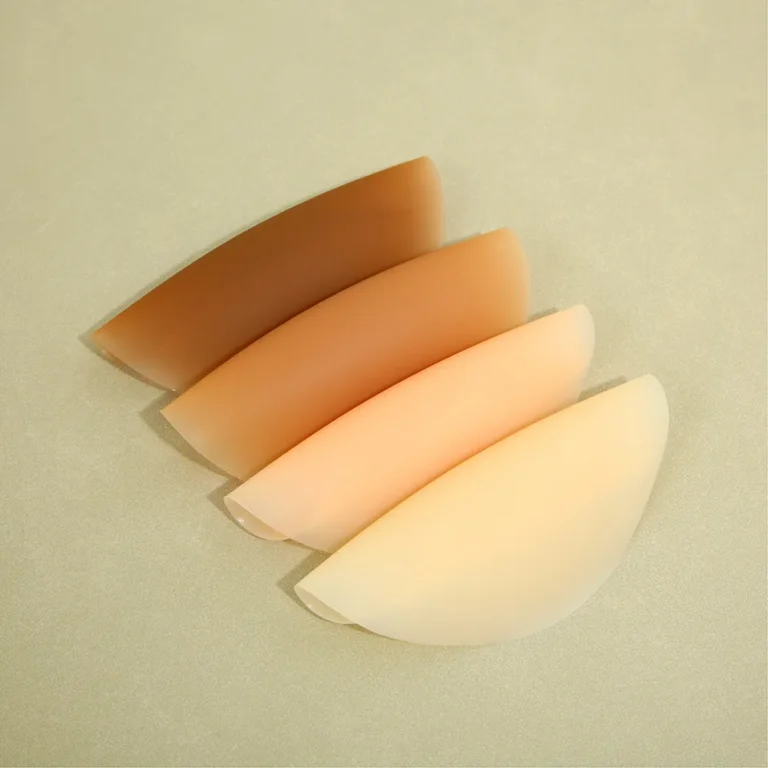
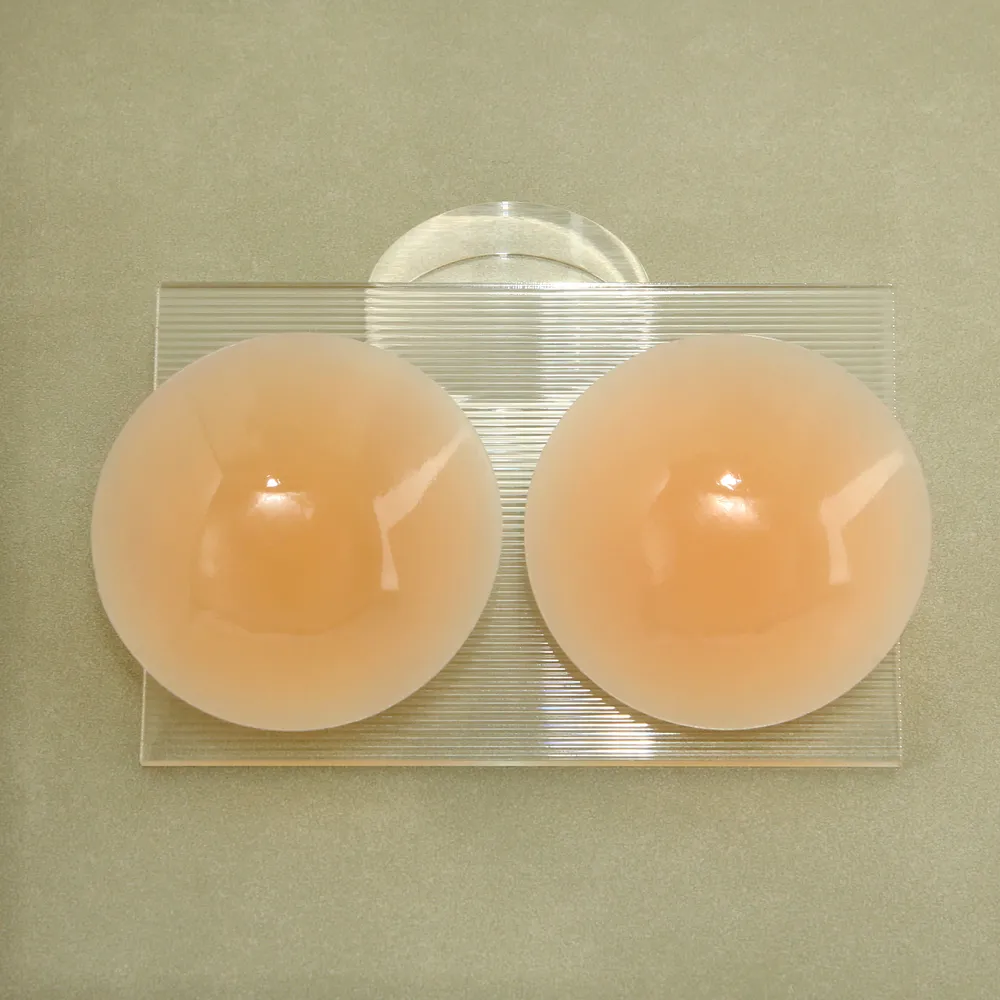
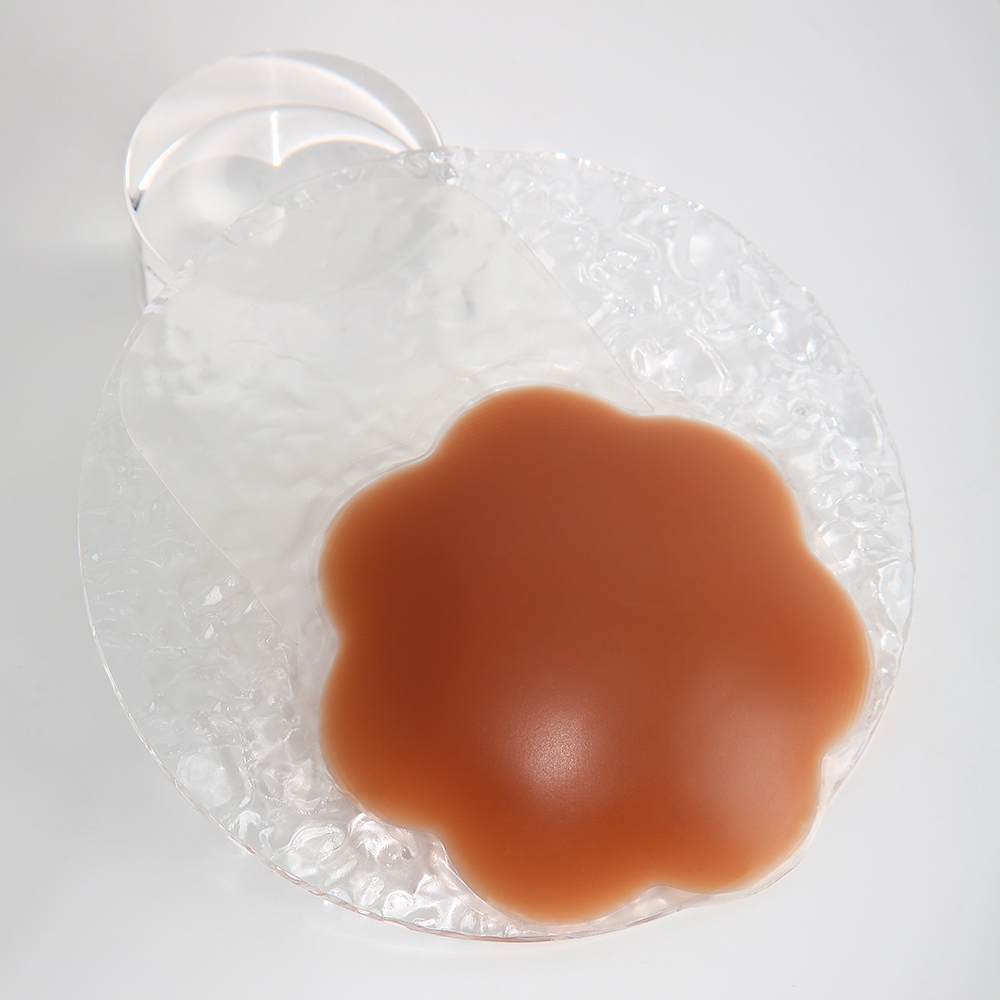
| Medical Silicone Gel | Polydimethylsiloxane (Silicone) | Moderate (Gentle peel, reusable 20–50 times) | Extremely Poor (Virtually non-porous) | Exceptional (Highly resistant to skin redness/irritation) | Easily passes ISO 10993 (Cytotoxicity, Skin Irritation, and Delayed-Type Hypersensitivity) | Standard Medical Material (Widely used in scar sheets and medical dressings) |
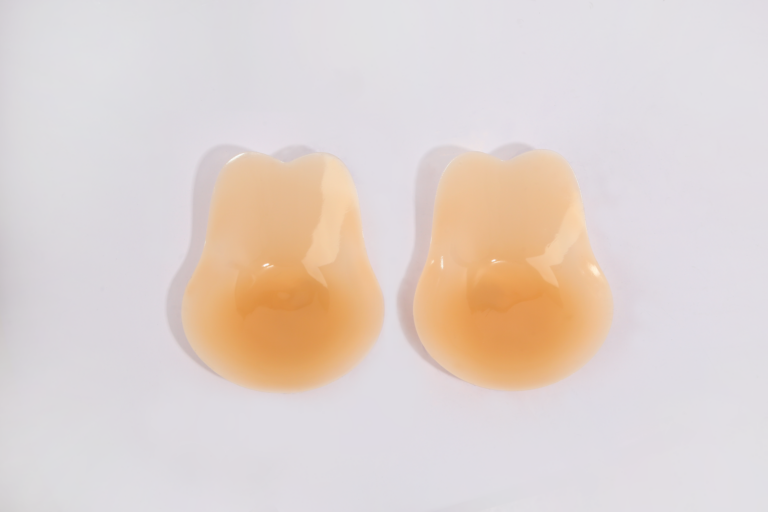
| Medical Acrylic PSA (Pressure Sensitive Adhesive) | Acrylic Ester Copolymer | Maximum (Exceptional initial and continuous tack; highly slip-resistant) | Fair to Good (When paired with perforation or micro-pore tech) | Moderate (Certain demographics exhibit sensitivity to residual monomers) | Fully capable of passing ISO 10993 (Requires strict control over residual monomer concentration) | Standard Medical Material (Commonly used in surgical tapes and band-aids) |
| Polyurethane Composite Glue (PU Latex/Glue) | Polyurethane Polyols & Isocyanates | Moderate to High | Moderate | Low (Prone to irritation if solvent residues are present) | Extremely difficult to pass rigorous dermal bio-compatibility tests | Standard Industrial/Textile Grade Glue (Primarily used for laminating sponge bra cups) |
| Bio-Protein Glue / Plant Glue | Typically water-diluted, low-grade Acrylic Glue or animal gelatin | Highly Unstable | Poor | Extremely Low (Prone to mold, bacterial growth, and severe allergies) | Fails all standardized bio-compatibility testing | ❌ Pure Marketing Buzzword (Authentic, 100% plant-derived chest adhesive does not exist in mass production) |
| Hydrogel / 100% Water-Based Glue | Polyacrylamide / Polyvinyl Alcohol (High water content) | Extremely Low (Instantly dissolves/slips upon contact with sweat) | Excellent (Provides a cooling sensation) | High (But provides zero structural support or lifting power) | Used clinically for moist wound dressings; impractical for actual nipple cover utility | ❌ Pure Marketing Buzzword (Often used by trade vendors to misleadingly describe a thin layer of low-grade silicone) |
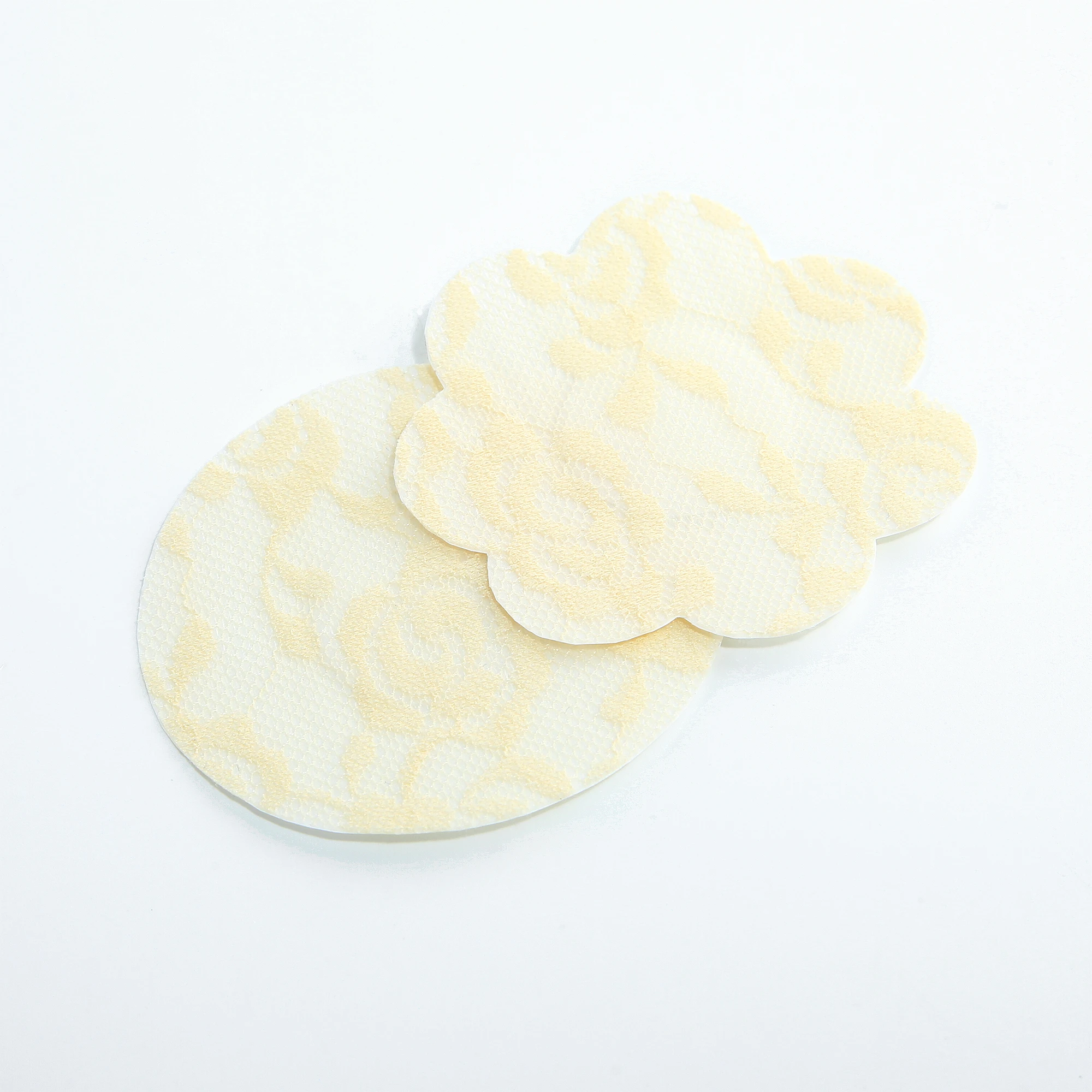
2. Industry Insiders: Authentic Medical Materials vs. E-Commerce Buzzwords
On cross-border e-commerce platforms (such as Temu, TikTok Shop, and SHEIN), high-volume cross-border trading entities frequently distort technical terminology. They deploy misleading marketing jargon to obscure supply chain defects and command unearned price premiums.
A. The Strict Benchmarks of Genuine “Medical-Grade” Materials
In the upstream manufacturing backend, a material cannot legally or professionally be claimed as “Medical-Grade” unless backed by official third-party testing reports (issued by bodies like SGS, Intertek, or TÜV) certifying compliance with ISO 10993 (Biological Evaluation of Medical Devices). This certification hinges on three non-negotiable legal benchmarks:
- Cytotoxicity Testing: Guarantees that the adhesive will not release toxic compounds at human body temperature (37) that could destroy dermal cells.
- Skin Irritation Testing: Ensures that continuous skin contact over a 24-to-72-hour window will not cause erythema (redness) or edema (swelling).
- Delayed-Type Hypersensitivity Testing: Verifies that repeated long-term exposure will not trigger a chronic immune system allergic response.
Fact Check: Top-tier suppliers catering to high-volume Semi-Managed (overseas warehouse) sellers or high-end European/US private labels rely on authentic ISO 10993 certifications as their primary defense mechanism against strict Western regulatory compliances like REACH and California Proposition 65.
B. Marketing Jargon to Avoid in Supply Chain Sourcing
- Jargon 1: “Bio-Protein / Natural Plant Jelly Glue”
- The Reality: Pure organic plant extracts or proteins rot and breed harmful fungi rapidly when exposed to the dark, warm, and humid environment of human sweat. Products marketed under this label are almost exclusively cheap, industrial-grade acrylic adhesives laced with synthetic fragrances or dyes to mimic a “natural” aesthetic. This specific low-grade adhesive is the leading driver behind severe chemical burns and blistering reported in overseas buyer reviews.
- Jargon 2: “Baby Pacifier Grade Silicone”
- The Reality: Authentic baby pacifiers are manufactured using High-Temperature Vulcanized (HTV) Solid Silicone. Conversely, the sticky layer of a nipple cover requires Liquid Silicone Rubber (LSR) Pressure Sensitive Silicone Gel. Their manufacturing processes, chemical structures, and viscosity properties are entirely separate. Using “pacifier grade” as a selling point is purely a visual marketing tactic designed to exploit consumer ignorance.
3. Dermatological Sourcing & Anti-Allergy Risk-Mitigation Guide
Western consumer demographics encompass vastly contrasting skin environments (e.g., oil-heavy, high-sweat profiles vs. highly sensitive, thin-barrier skin). Deploying a single generic adhesive variant across all demographics is the root cause of massive product return rates and subsequent deadstock in overseas warehouses.
A. For Sensitive Skin Profiles (Thin Dermal Barrier, Prone to Redness)
- The Threat: Skin that has a thin stratum corneum is highly vulnerable to chemical irritation and mechanical stripping.
- The Optimum Material: Medical Silicone Gel
- The Sourcing Logic: Silicone gel functions via “physical suction” and surface tension. It does not deeply penetrate human skin pores, ensuring that when the cover is peeled off, it does not forcefully strip away healthy skin layers (avoiding mechanical trauma). Furthermore, its macromolecular structure remains entirely inert at body temperature, eliminating the risk of releasing volatile chemical irritants.
- Absolute Danger: Stay completely away from high-tack Acrylic Pressure Sensitive Adhesives (commonly found in lifting styles). The high peel-force of acrylics will strip the skin barrier of sensitive users, causing immediate perimeter dermatitis.
B. For Oily Skin / High-Sweat Environments (Athletic, Festival, or Summer Wear)
- The Threat: Heavy sebum and sweat secretions instantly create a lubricated film over standard adhesives, neutralizing surface tension and causing immediate slippage.
- The Optimum Material: Perforated Medical Acrylic PSA or Silicone Gel with Engineered Sweat-Drainage Grooves
- The Sourcing Logic: Pure silicone gel is intrinsically hydrophobic and lipophobic (it naturally repels oil and water). For oil-heavy skin, medical-grade Acrylic PSA is required due to its superior moisture resistance and ability to bite into oily skin surfaces. However, because acrylic is completely non-breathable, the factory must implement Micro-Perforation Technology across the adhesive surface to provide an escape route for trapped sweat vapor.
- Absolute Danger: Avoid thick, unperforated, low-grade silicone covers. Trapping sweat and oil beneath a solid, non-breathable silicone dome over extended periods creates a localized, high-humidity “greenhouse effect,” which acts as a 100% guarantee for heat rashes and severe contact dermatitis.
💡 Core Supply Chain Takeaway for B2B Sourcing:
- Daily Comfort Styles: For ultra-thin, seamless, everyday nipple covers, prioritize Medical Silicone Gel to guarantee maximum safety, comfort, and zero-allergy consumer reviews.
- Functional/Lifting Styles: For heavy-duty applications (deep-V bridal wear, high-impact lifting tapes, or 5cm extra-thick padding), gravity requires Medical Acrylic PSA. For these configurations, you must mandate that the supplier controls and minimizes residual monomer concentrations, or ensure the design integrates ventilation pores to avert catastrophic product-return surges.